

Translated by AI
Double Balloon Endoscopy (DBE) Small bowel endoscopy with double balloon
Double Balloon Endoscopy (DBE) is a small intestine endoscopy using a double balloon, allowing doctors to access deeper parts of the intestine for accurate diagnosis and treatment in a single procedure, such as bleeding, polyps, or intestinal inflammation.
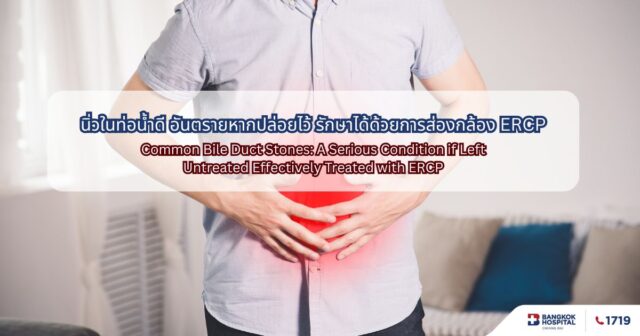
Common Bile Duct Stones: A Serious Condition if Left Untreated Effectively Treated with ERCP
Common bile duct stones occur when stones form within the bile duct system. When blockage develops, bile cannot flow normally into the intestine, which may lead to serious complications such as

Translated by AI
Guidelines for positioning in bed for patients with hemiplegia
Translated by AI
Capsule Endoscopy: Swallowing a Capsule Camera to Examine the Small Intestine
Capsule Endoscopy, or swallowing a capsule camera, is a technology for examining the small intestine with a tiny camera the size of a pill. It helps accurately diagnose gastrointestinal diseases such as bleeding, ulcers, or intestinal inflammation without the need for surgery.

What Causes Hair Loss? Treatment Options Including FOTONA Laser
Hair loss is a common condition affecting both men and women. Causes may include genetics, hormones, stress, or underlying health conditions. This article explains the types of hair loss and available medical treatments, including medications, PRP therapy, hair transplantation, and FOTONA laser technology.
Translated by AI
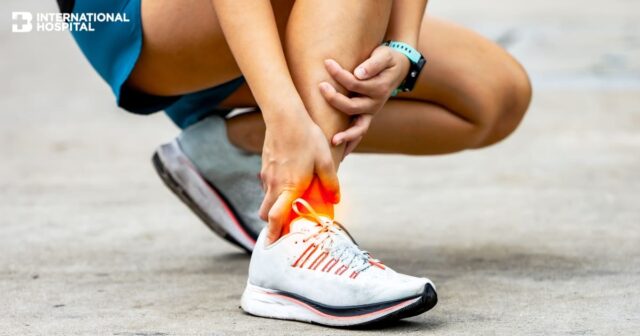
Achilles tendon rupture: causes, symptoms, treatment methods, rehabilitation to prevent recurrence
Robotic-assisted partial knee replacement surgery (Robotic-Assisted UKA) helps improve surgical accuracy, reduce tissue injury, minimize incisions, speed up recovery, and help patients return to a near-normal life.
Translated by AI
What is Office Syndrome? Symptoms and Treatment Methods
Translated by AI
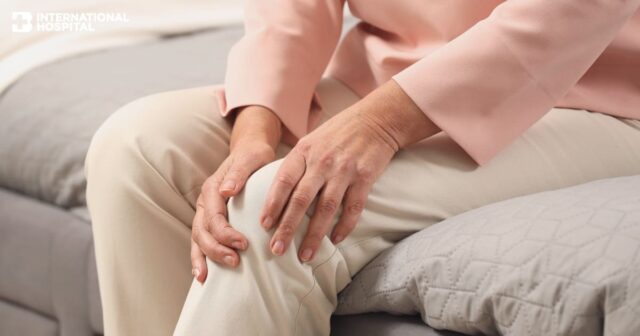
Robotic-assisted partial knee replacement surgeryRobotic - Assisted UKA
Robotic-assisted partial knee replacement surgery (Robotic-Assisted UKA) helps increase surgical accuracy, reduce tissue injury, minimize incision size, speed up recovery, and help patients return to a near-normal lifestyle.
Translated by AI
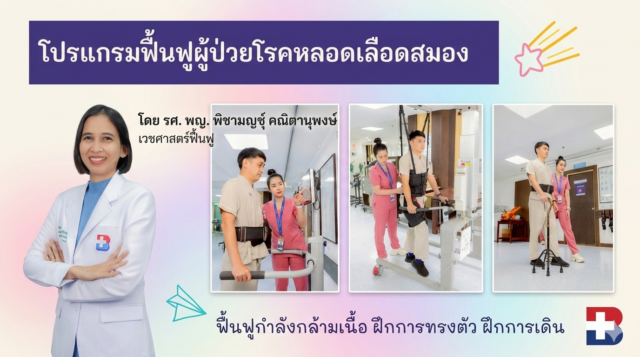
Stroke Rehabilitation: The Sooner You Start, the Better You Recover
When should stroke rehabilitation begin? How can physical therapy after a stroke help? Answers compiled to increase the chances of recovery for patients with paresis and paralysis.

Falls in Seniors: A Broken Hip Can Change a Life
For many people, a fall may seem like a minor accident. But for older adults, a single fall can be life-changing—especially if it results in a hip fracture, one of the most serious and common injuries among older adults. Without proper treatment, a broken hip can lead to long-term disability, loss of independence, the need for ongoing care, and a significant decline in quality of life.
Translated by AI
ESD Endoscopic treatment of polyps and early-stage cancer in the gastrointestinal tract without surgery
ESD is an endoscopic procedure to remove polyps and early-stage cancer in the gastrointestinal tract without surgery. It helps remove the lesion in one piece, results in a small wound, enables faster recovery, and reduces the risk of progression to cancer.
Translated by AI
POEM Endoscopic Treatment for Esophageal Spasm (Achalasia) Without Surgery
POEM is an endoscopic treatment for esophageal spasm (Achalasia) without surgery, with a small incision, less pain, and fast recovery. It helps food pass into the stomach better and has a high success rate.