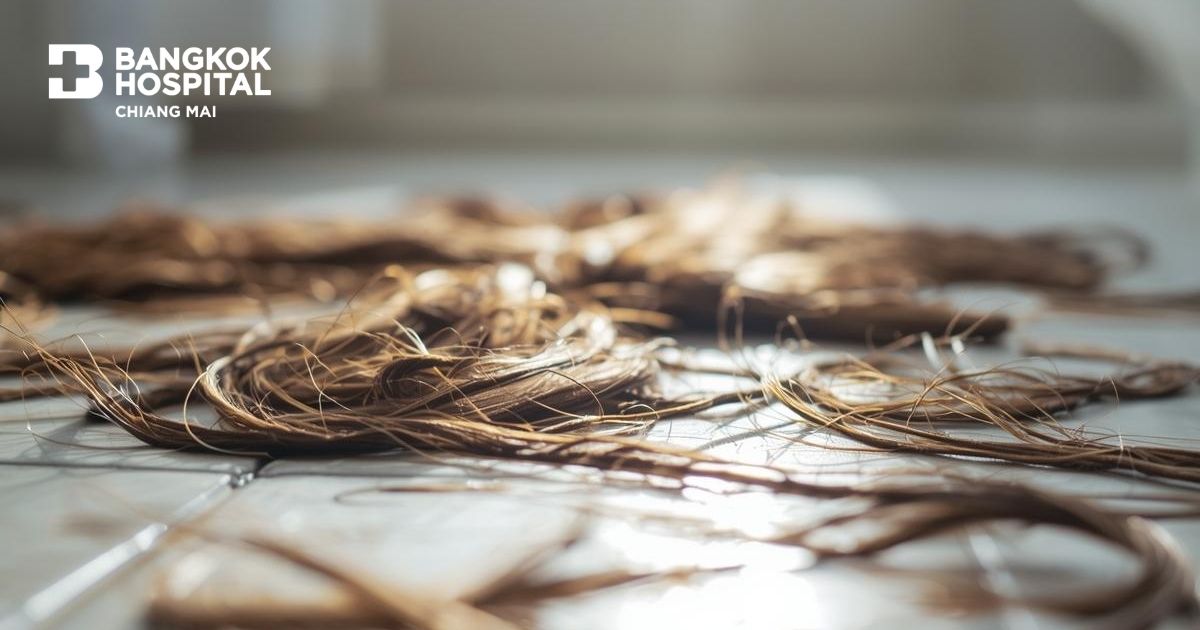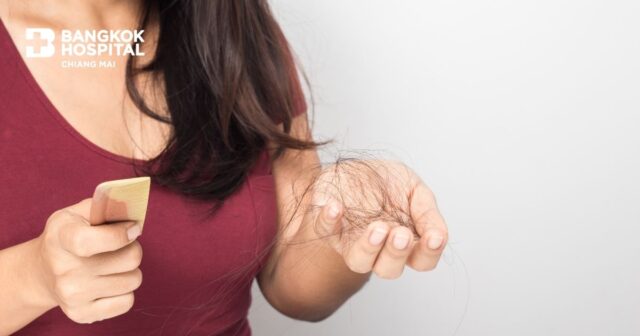

Hair loss, medically known as alopecia, is a common condition affecting both men and women. Many people begin to notice thinning hair, widening hair parts, or excessive hair shedding during washing or brushing.
Under normal circumstances, it is typical to lose about 50–100 hairs per day as part of the natural hair growth cycle. However, if hair loss becomes noticeably excessive or hair thinning becomes more visible, medical evaluation is recommended to determine the underlying cause.
This article provides an overview of medically recognized treatments for hair loss, including information about FOTONA laser technology, to help readers understand available options and make informed decisions.
Common Types of Hair Loss
Hair loss (alopecia) can occur in several forms. The most common types include:
Androgenetic Alopecia (Genetic Hair Loss)
The most common form, caused by genetic and hormonal factors. Men typically develop thinning at the front hairline or crown (M-shaped pattern), while women usually experience thinning at the top of the scalp.
Alopecia Areata
An autoimmune condition that causes sudden hair loss in well-defined circular patches.
Telogen Effluvium
Diffuse hair shedding across the scalp, often occurring after significant stress, illness, childbirth, or hormonal changes.
Traction Alopecia
Hair loss caused by prolonged tension on the hair, such as tight hairstyles, hair extensions, or braiding.
Scarring Alopecia
A less common but more serious condition where inflammation damages hair follicles permanently and requires specialist medical care.
Causes of Hair Loss
Hair loss may result from multiple contributing factors, such as:
-
Genetic and hormonal influences (particularly DHT in androgenetic alopecia)
-
Chronic stress
-
Nutritional deficiencies (iron, vitamin D, protein)
-
Thyroid disorders
-
Certain medications, such as chemotherapy drugs
-
Improper hair care practices
A proper medical diagnosis is essential before selecting an appropriate treatment plan.

Impact of Hair Loss on Quality of Life
Although hair loss is not life-threatening, it can significantly affect emotional well-being and self-confidence.
Possible effects include:
-
Reduced confidence and self-esteem
-
Anxiety or stress related to appearance
-
Avoidance of social activities such as swimming or outdoor events
-
Concerns about professional image
Studies suggest that individuals experiencing noticeable hair loss may report lower quality of life and higher psychological stress compared to the general population. Addressing hair loss can therefore contribute not only to appearance but also to overall well-being.
Medical Treatment Options for Hair Loss
Treatment approaches depend on the type, severity, and individual condition.
1. Pharmacological Treatment
Minoxidil
A topical medication approved by the FDA for treating androgenetic hair loss in both men and women. Available in 2% and 5% concentrations, it works by improving blood circulation in the scalp and prolonging the hair growth phase (anagen phase). Results are usually observed after 3–6 months of consistent use.
Finasteride
An oral medication primarily prescribed for men. It works by inhibiting the enzyme 5-alpha reductase, which converts testosterone to DHT, a hormone associated with genetic hair loss. Continuous use is required, and it is not recommended for women who are pregnant.
2. PRP (Platelet-Rich Plasma) Therapy
PRP treatment involves drawing a small amount of the patient’s blood, concentrating the platelets rich in growth factors, and injecting them into the scalp.
This process may help stimulate hair follicle activity and improve scalp health. PRP is commonly used for early-stage hair thinning and has minimal risk since it uses the patient’s own biological material.
3. Hair Transplantation
Hair transplantation may be suitable for individuals with advanced hair loss or clearly defined bald areas.
Common techniques include:
FUT (Follicular Unit Transplantation)
A strip of scalp is removed from the donor area and individual follicles are transplanted to the thinning areas.
FUE (Follicular Unit Extraction)
Individual hair follicles are extracted and transplanted one by one without removing a strip of scalp, resulting in smaller scars and faster recovery.
Results depend on the quality and density of the donor hair.
4. Low-Level Laser Therapy (LLLT)
LLLT uses low-energy laser light to stimulate hair follicle cells, improve scalp circulation, and reduce inflammation.
It is often used as a supportive treatment alongside medications or other therapies.
5. Lifestyle and Health Management
General health plays an important role in hair health. Helpful practices include:
-
Consuming a balanced diet rich in protein, iron, zinc, and vitamins
-
Managing stress
-
Getting adequate sleep
-
Avoiding harsh chemicals or damaging hair treatments
Hair Restoration with FOTONA Laser
What is FOTONA?
FOTONA is a globally recognized medical laser brand from Slovenia used in multiple medical fields, including dermatology and hair restoration.
For hair treatment, FOTONA systems commonly use:
-
Er:YAG laser (2940 nm wavelength)
-
Nd:YAG laser (1064 nm wavelength)
These wavelengths allow controlled laser energy to reach deeper skin layers (dermis) without damaging the surface skin.
How FOTONA Laser Works
FOTONA laser treatment supports hair follicle health through several mechanisms:
Photobiomodulation
Laser energy stimulates mitochondria in follicle cells to increase ATP production, supporting cellular repair and growth.
Improved Blood Circulation
Subthreshold thermal stimulation encourages neovascularization, increasing nutrient and oxygen delivery to hair follicles.
Collagen Stimulation
Laser energy activates fibroblasts, promoting collagen production and growth factors necessary for hair development.
Reduction of Inflammation
Laser therapy may reduce inflammatory cytokines that contribute to follicle miniaturization.
Treatment outcomes vary depending on existing follicle health and treatment consistency.
FOTONA Treatment Procedure
-
Medical consultation and scalp assessment
The physician evaluates the type and severity of hair loss. -
Scalp preparation
The scalp is cleansed before treatment. -
Laser application
A specialized laser handpiece scans across the scalp. Each session takes approximately 20–30 minutes. -
Post-treatment care
Additional care or complementary products may be recommended.
Number of Sessions and Expected Results
Initial treatment typically involves 6–10 sessions, spaced 2–4 weeks apart.
Maintenance treatments may be recommended every 3–6 months.
Many patients begin noticing new hair growth within 3–4 months after starting treatment.
Possible outcomes include:
-
Reduced hair shedding
-
Stronger and thicker existing hair
-
New hair growth in thinning areas
-
Improved scalp condition
Who May Benefit from FOTONA Laser Treatment
FOTONA laser therapy may be suitable for:
-
Early to moderate androgenetic alopecia
-
Telogen effluvium
-
Patients seeking to enhance results from medications or PRP
It may not be suitable for:
-
Pregnant individuals
-
Patients with acute inflammatory scalp conditions
-
Advanced scarring alopecia
Important Considerations
Before deciding on treatment, it is important to understand that:
-
Results vary among individuals
-
Combination therapy may be recommended
-
Results may not be permanent in all cases
-
Treatment should be supervised by qualified medical professionals
Conclusion
Hair loss is a common condition with multiple possible causes. Effective management begins with accurate diagnosis and individualized treatment planning.
Today, treatment options range from medications and PRP to hair transplantation and advanced technologies such as FOTONA laser therapy.
Consulting with a qualified physician can help determine the most appropriate approach and ensure safe, effective care tailored to each individual’s needs.
Healthy hair begins with understanding the cause and choosing appropriate care.