

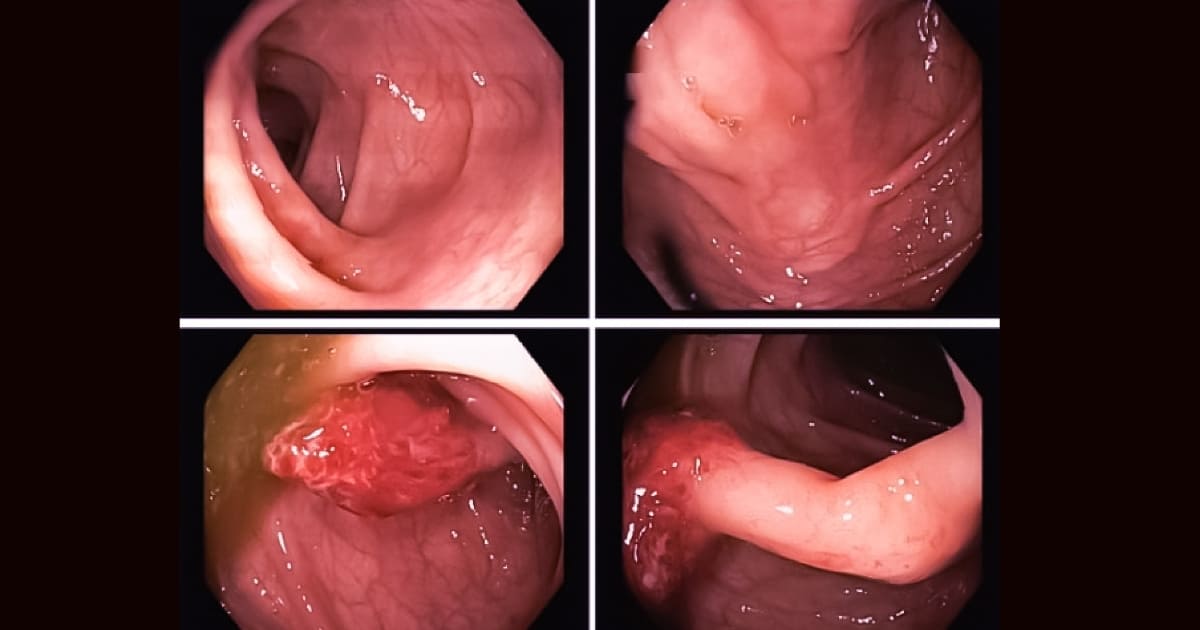
If a lesion resembling a polyp is found in the gastrointestinal tract—whether in the stomach, esophagus, small intestine, or large intestine—especially the large intestine, which is the most commonly found in Thai people, it may progress into cancer. The physician will perform an endoscopy to thoroughly examine abnormalities before treatment. The Endoscopic Submucosal Dissection (ESD) endoscopic technique for treating gastrointestinal polyps can screen lesions and remove polyps without surgery.
What is ESD
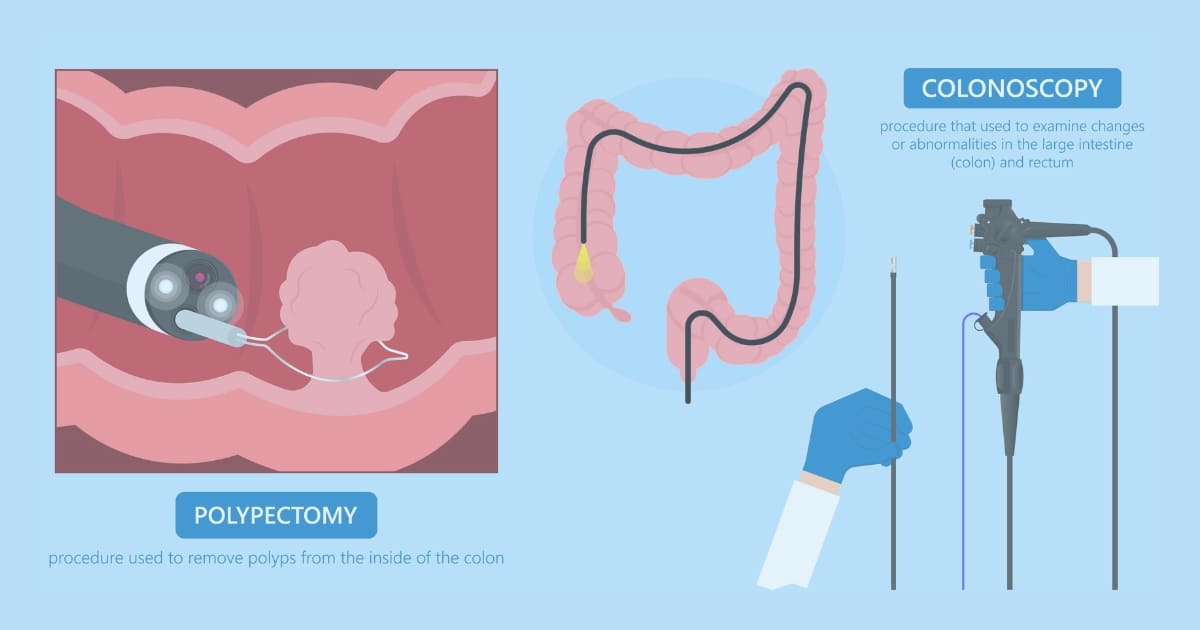
ESD (Endoscopic Submucosal Dissection) is a treatment technique performed via gastrointestinal endoscopy without open abdominal surgery. It is used to remove polyps or early-stage cancer from the gastrointestinal wall precisely at the targeted site. It can be performed in the:
- Esophagus
- Stomach
- Small intestine
- Large intestine and rectum
Key highlights of ESD
- En bloc removal of the lesion
- Low chance of recurrence
- Accurate and clear pathology assessment
Treatment steps using the ESD technique
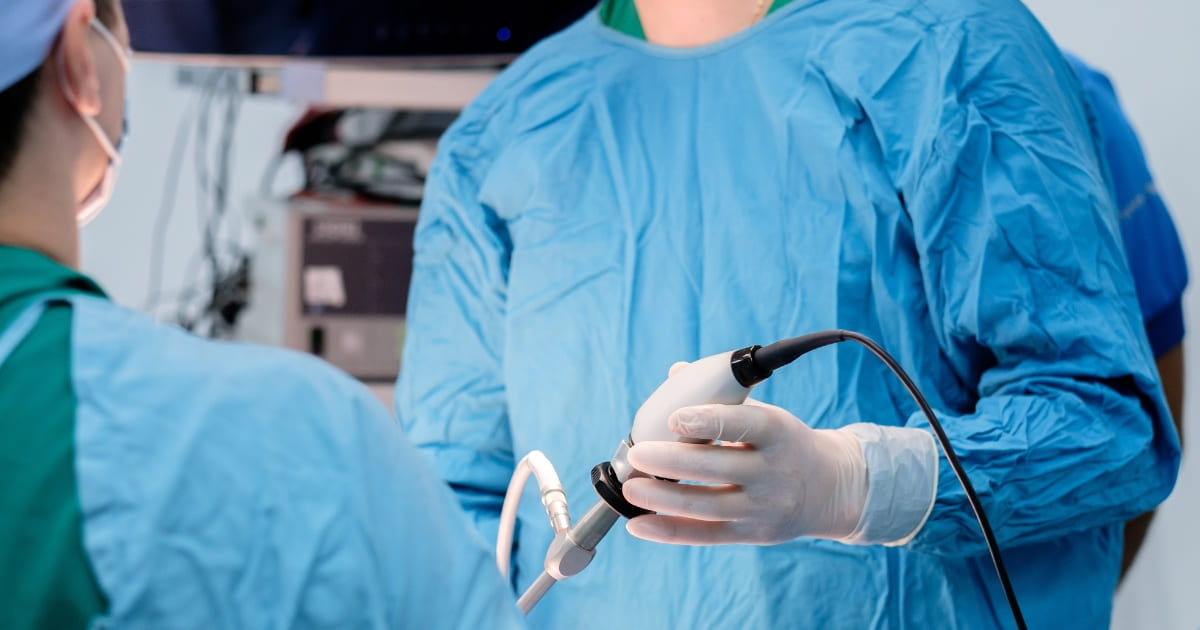
Treatment with the ESD technique is performed under sedation or general anesthesia, with the following steps:
- 1) Evaluate the lesion using a high-definition endoscope
- 2) Mark around the lesion
- 3) Inject solution beneath the mucosal layer to lift the lesion
- 4) Use special instruments to dissect tissue layers
- 5) Remove the lesion en bloc
- 6) Control bleeding and close the wound if necessary
Who is the ESD technique suitable for
Physicians will consider ESD for patients with:
- Large polyps (>2 cm)
- Flat or laterally spreading polyps (LST)
- Abnormal cells (Dysplasia)
- Early-stage gastrointestinal cancer
- Certain types of submucosal tumors
*According to international guidelines (ESGE, ASGE, Japan) , ESD is recommended when en bloc resection is necessary to achieve good treatment outcomes.
Care after ESD
- Hospital stay of approximately 1 – 3 days
- Soft diet for 1 – 2 weeks
- Avoid heavy exertion
- Follow up as scheduled by the physician every time
Risks and complications from ESD
Risks depend on the physician’s expertise and treatment technology, such as:
- Bleeding
- Bowel perforation (rare)
- Abdominal pain, bloating
- Gastrointestinal stricture (in some cases)
Advantages of the ESD technique
- No open abdominal surgery required
- Small wound, less pain
- Complete lesion removal in a single session
- Reduced chance of recurrence
- Fast recovery (1 – 3 days)
- Organ preservation
*For patients with early-stage cancer , the ESD technique can provide treatment outcomes comparable to surgery.
Limitations of the ESD technique
If you have the following symptoms, you should see a doctor immediately:
- Severe abdominal pain
- Fever
- Vomiting blood
Why polyps or abnormalities in the intestines should be examined and treated promptly
Polyps or intestinal abnormalities—especially in the large intestine—are commonly found in Thai people. Some types may develop into cancer in the future. Early detection and treatment increase the chance of cure without surgery, reduce cancer risk, and enable faster recovery.
A hospital specialized in endoscopic treatment of gastrointestinal polyps without surgery (ESD)
Gastrointestinal and Liver Center, Bangkok Hospital is ready to provide diagnostic evaluation and care for polyps or intestinal abnormalities occurring in the gastrointestinal tract, using the Endoscopic Submucosal Dissection (ESD) technique—endoscopic treatment of gastrointestinal polyps without surgery—by specialized physicians with expertise, nurses, and a multidisciplinary team, along with modern equipment and technology, so you can return to a good quality of life every day.
Physician specialized in endoscopic treatment for esophageal spasm (POEM)
Dr. Aroon Siripun Gastroenterologist, Gastrointestinal and Liver Center, Bangkok Hospital
You can click here to make an appointment yourself.