

Examination of the digestive system in the small intestine to detect abnormalities such as inflammation, ulcers, bleeding, or cancer has advanced with a modern diagnostic innovation called capsule endoscopy (Capsule Endoscopy) , which can record images inside the digestive tract down to the deepest parts of the small intestine. This enables doctors to make accurate diagnoses and helps plan appropriate and timely treatment.
Capsule Endoscopy (Capsule Endoscopy) What is it
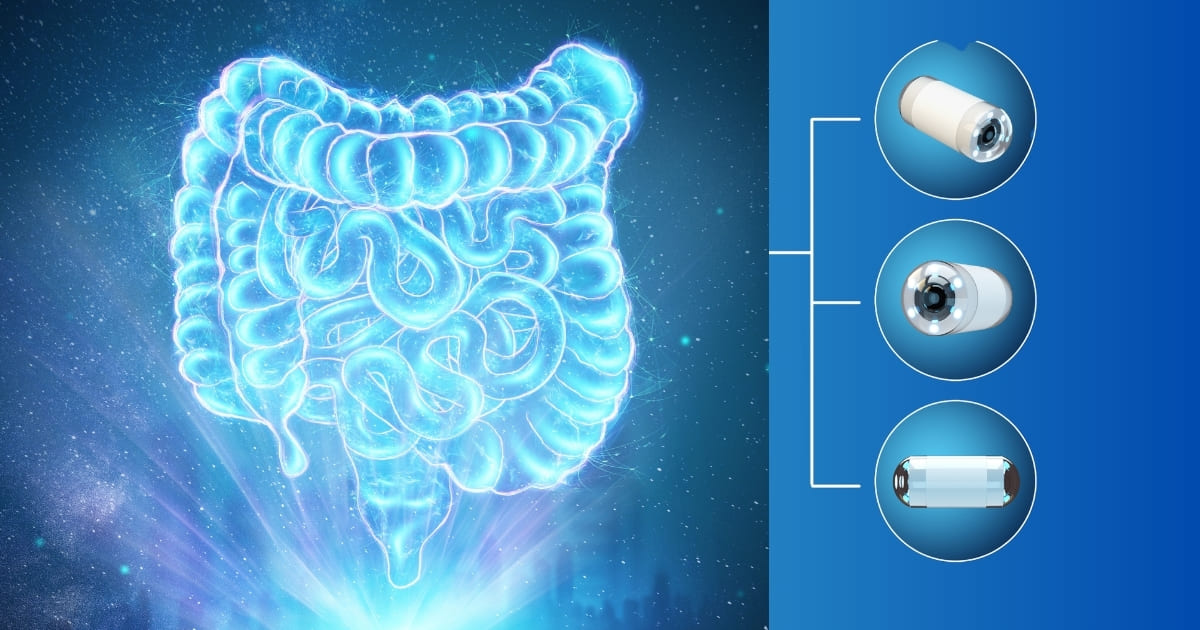
Capsule Endoscopy (Capsule Endoscopy) is a gastrointestinal examination technology using a tiny camera the size of a capsule pill. Inside, it consists of:
- A small camera lens
- A light source
- An image recording system
When the patient swallows the capsule, the camera moves through the digestive tract and records images from the esophagus, stomach, and small intestine. It can capture more than 50,000 images within approximately 8 hours.
The images obtained are transmitted to a receiver for the doctor to analyze, helping detect abnormalities in the small intestine—an area that conventional endoscopy cannot reach.
Small intestine screening with capsule endoscopy (Capsule Endoscopy) What is it
Small intestine examination with capsule endoscopy is a non-surgical diagnostic method. No general anesthesia is required. The examinee simply swallows the capsule camera with water ; afterward, the camera moves through the digestive tract and continuously takes images before sending data to a recorder worn by the patient . After the examination, the capsule is naturally excreted with stool without causing harm to the body.
Small intestine screening with capsule endoscopy (Capsule Endoscopy) Who is it suitable for
Small intestine examination with capsule endoscopy is suitable for people with the following symptoms or conditions:
- Chronic abdominal pain of unknown cause
- Anemia or pallor from iron deficiency of unknown cause
- Chronic diarrhea or suspected inflammatory bowel disease
- Suspected tumor or polyp in the small intestine
- Gastrointestinal bleeding in which the cause cannot be found by conventional endoscopy
Steps for small intestine screening with capsule endoscopy (Capsule Endoscopy)
- The examinee swallows the capsule camera with water without chewing.
- The capsule camera moves through the digestive tract while recording images.
- The examination takes about 8 hours.
- During the examination, you can carry on with normal daily activities (avoid bathing and strenuous exercise).
- The capsule is naturally excreted with stool.
How to prepare before small intestine screening with capsule endoscopy (Capsule Endoscopy)
- Inform the doctor about medications, underlying diseases, and surgical history.
- Do not eat or drink for at least 8 hours before the examination.
- Consume a liquid diet and take laxatives as advised by the doctor.
- After swallowing the capsule, you may drink water after 2 hours.
- After swallowing the capsule, you may eat after 4 hours.

Advantages of small intestine screening with capsule endoscopy (Capsule Endoscopy)
- No general anesthesia required
- No surgery required
- You can carry on with normal daily activities during the examination
- Provides detailed and comprehensive images inside the small intestine
- Helps doctors make more accurate diagnoses
Precautions during the examination
If you experience any of the following symptoms after swallowing the capsule, inform your doctor immediately:
- Nausea
- Vomiting
- Abdominal pain
- Severe bloating
Limitations of the examination
Those who are not suitable for examination with Capsule Endoscopy include:
- Pregnant individuals
- Individuals with intestinal obstruction
- Individuals with difficulty swallowing
- Individuals who have undergone certain types of abdominal surgery
- Patients with severe diarrhea
Hospital specializing in small intestine screening with capsule endoscopy (Capsule Endoscopy)
Gastroenterology and Liver Center, Bangkok Hospital is ready to provide diagnostic examinations and care for the small intestine with small intestine screening using capsule endoscopy (Capsule Endoscopy), by experienced specialist physicians, nurses, and a multidisciplinary team, along with modern equipment and technology, to help you return to a good quality of life every day.
Doctor specializing in small intestine screening with capsule endoscopy (Capsule Endoscopy)
Dr.Aroon Siripun Gastroenterologist, Gastroenterology and Liver Center, Bangkok Hospital
You can click here to make an appointment yourself.