

For many people, a fall may seem like a minor accident. But for older adults, a single fall can be life-changing—especially if it results in a hip fracture, one of the most serious and common injuries among older adults. Without proper treatment, a broken hip can lead to long-term disability, loss of independence, the need for ongoing care, and a significant decline in quality of life.
Dr. Waipop Pothiwong (Medical License Number: 31629), our orthopedic surgeon specializing in trauma and orthopedic surgery at Bangkok Hospital Hua Hin, explains that as we age, our bodies undergo several changes that increase the risk of falls and fractures. Bone mass decreases (osteoporosis), making bones more fragile and prone to fracture. Muscles weaken, balance declines, and coordination becomes less steady than in younger years. Vision, hearing, and reflexes may also deteriorate, making it easier to lose balance. Statistics show that approximately 90% of hip fractures in older adults are caused by falls, and about 20% of older adults who fall sustain a hip fracture.

Signs of a Hip Fracture
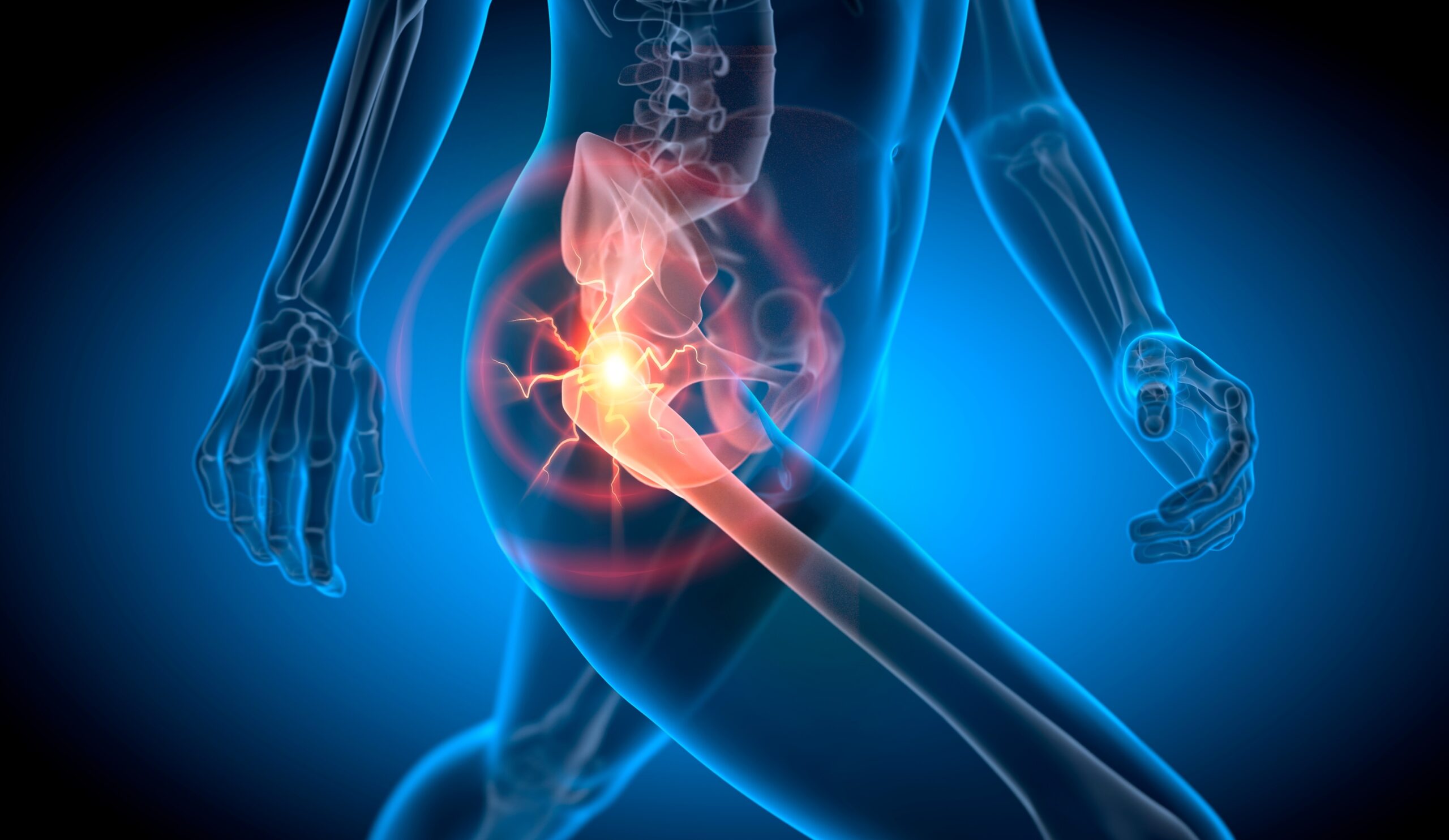
After a fall, warning signs of a hip fracture may include:
- Severe pain in the hip area
- Inability to stand or walk
- Inability to bear weight on the injured leg
- The injured leg appears shorter than the other or turned outward
If these symptoms occur, the person should remain in a comfortable position and should not be moved unnecessarily. Call for emergency medical assistance immediately. Doctors will perform imaging tests, such as an X-ray or CT scan, to confirm whether a fracture has occurred and to assess its severity, so appropriate treatment can be provided.
Treatment and Rehabilitation are Crucial
Hip fractures in older adults typically require surgery within 24 – 48 hours. Early surgery improves recovery outcomes and reduces complications from prolonged bed rest, such as pneumonia or blood clots.
Rehabilitation after surgery is equally important. Physical therapy helps strengthen muscles, improve balance, and reduce the risk of future falls. Early movement under medical supervision is crucial for helping patients regain mobility and independence.
Preventing Falls and Hip Fractures
Prevention is always better than treatment. Simple daily measures can significantly reduce the risk of:
Make the home safer: Install handrails in bathrooms and along staircases, remove tripping hazards such as loose rugs, and ensure adequate lighting throughout the house.
Improve strength and balance: Engage in light exercises such as walking, or balance training such as tai chi. Maintaining a healthy weight also helps prevent muscle weakness.
Protect bone health: Consume adequate calcium and vitamin D, undergo regular osteoporosis screening, and seek medical advice if treatment is required.
“Falls in older adults should never be ignored—especially when a hip fracture is involved,” Dr. Waipop emphasizes. “A broken hip can severely affect independence and may lead to long-term disability. By improving home safety, strengthening muscles, and maintaining bone health early on, we can significantly reduce the risk of these serious injuries. If an older person falls and experiences hip pain, cannot walk, or cannot bear weight, they should see a doctor as soon as possible. It should not be dismissed as simply part of ageing.”

For more information and booking an appointment, please contact :
Tel. 032-616-800 Call Center, Bangkok Hospital Hua Hin
Tel. 032-616-832 Orthopedics Department (8.00 – 17.00 hrs.)
News & Promotion >> Line ID : @bangkokhuahin