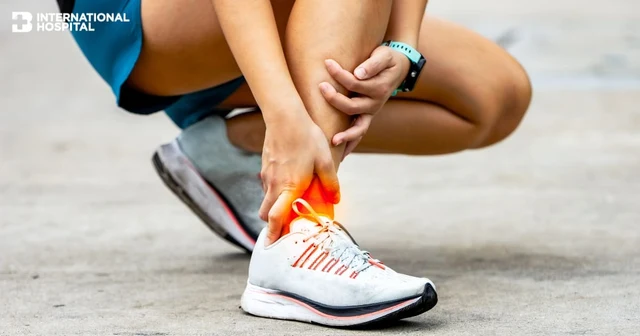

An Achilles tendon rupture is an injury that occurs from sports or unexpected accidents. It can happen to people of all genders and ages. It causes severe pain and may lead to long-term abnormal movement. Proper care and following the advice of a specialist doctor are important because they not only help you return to normal movement but also help prevent recurrence.
What is the Achilles tendon
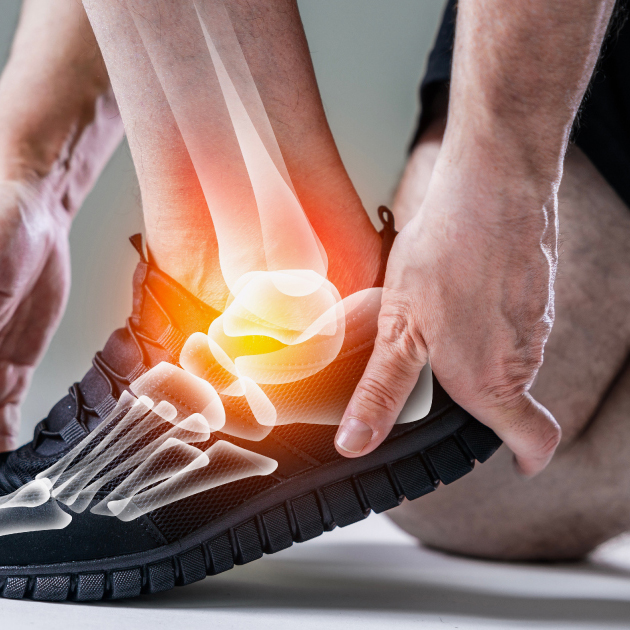
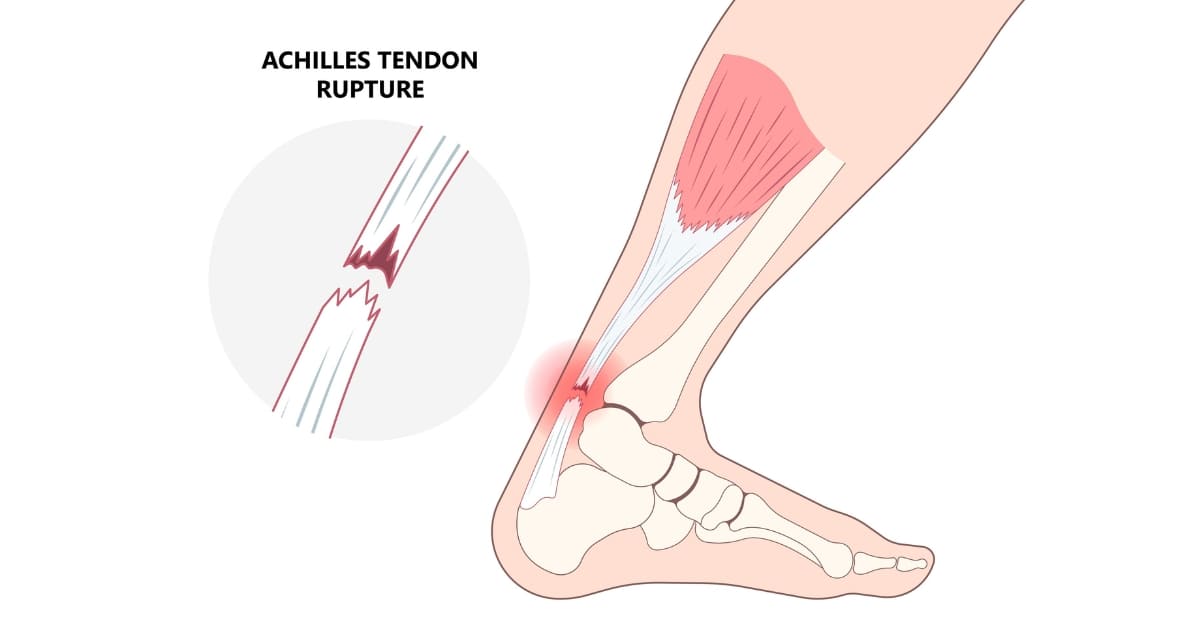
The Achilles tendon (Achilles Tendon) is a large tendon at the back of the calf and ankle. It connects the calf muscles to the heel bone. It is the largest tendon in the body and is strong enough to help push the foot off the ground with a force of up to about 10 times body weight.
What is an Achilles tendon rupture
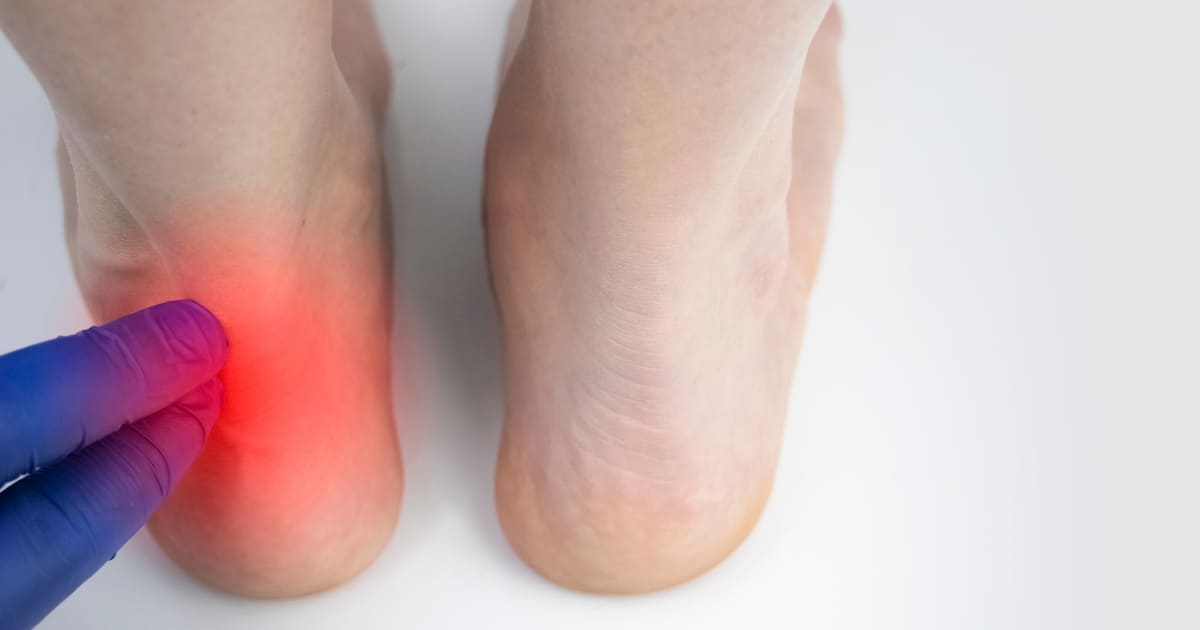
An Achilles tendon rupture (Achilles Tendon Rupture) generally means the tendon is torn completely, creating a “gap” between the upper and lower ends of the tendon. It usually occurs about 2 – 3 inches above the heel bone (approximately 5 – 8 centimeters) but it can also rupture at the heel insertion point or higher up in the calf.
Common symptoms of an Achilles tendon rupture
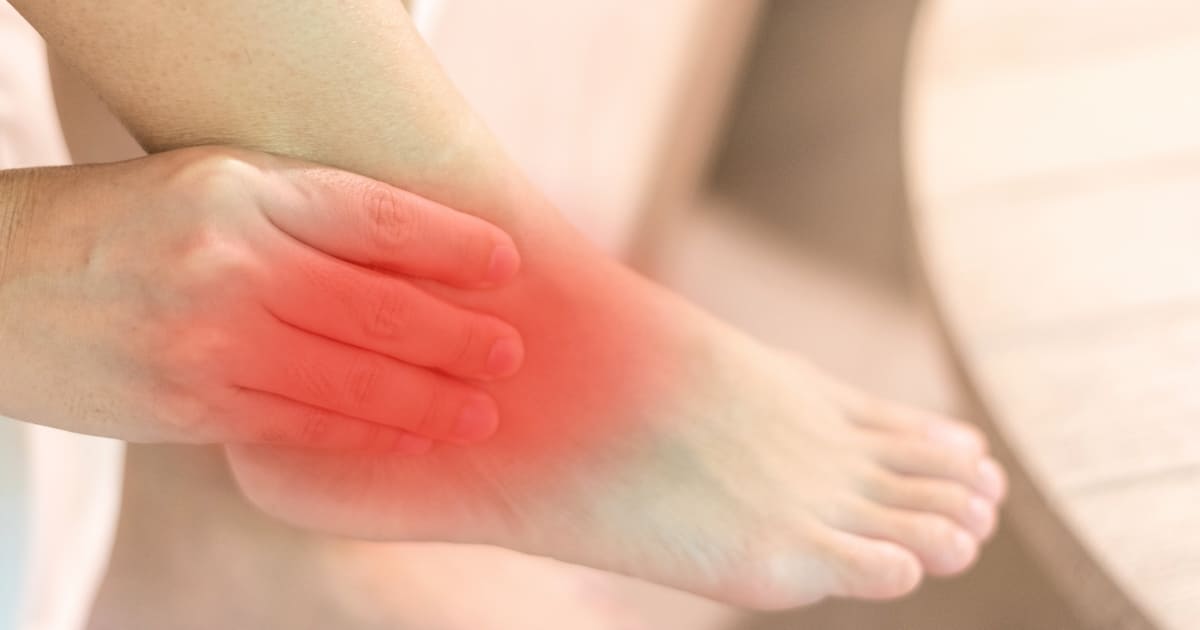
A full-thickness Achilles tendon rupture often occurs during high-force activities such as running jumping or from an accident or impact such as slipping and falling. Most patients say that at first it feels like a sound or sensation of a “pop” or like being kicked or struckat the back of the ankle, followed by pain (some people may never have had pain in this area before the rupture occurs).
After the tendon ruptures, patients often have:
- Weakness when pushing the foot off the ground while walking
- Inability to stand on tiptoes or great difficulty doing so
- During the first 2 – 3 days, there may be slight bruising on the inner side around the heel
Diagnosis of Achilles tendon rupture
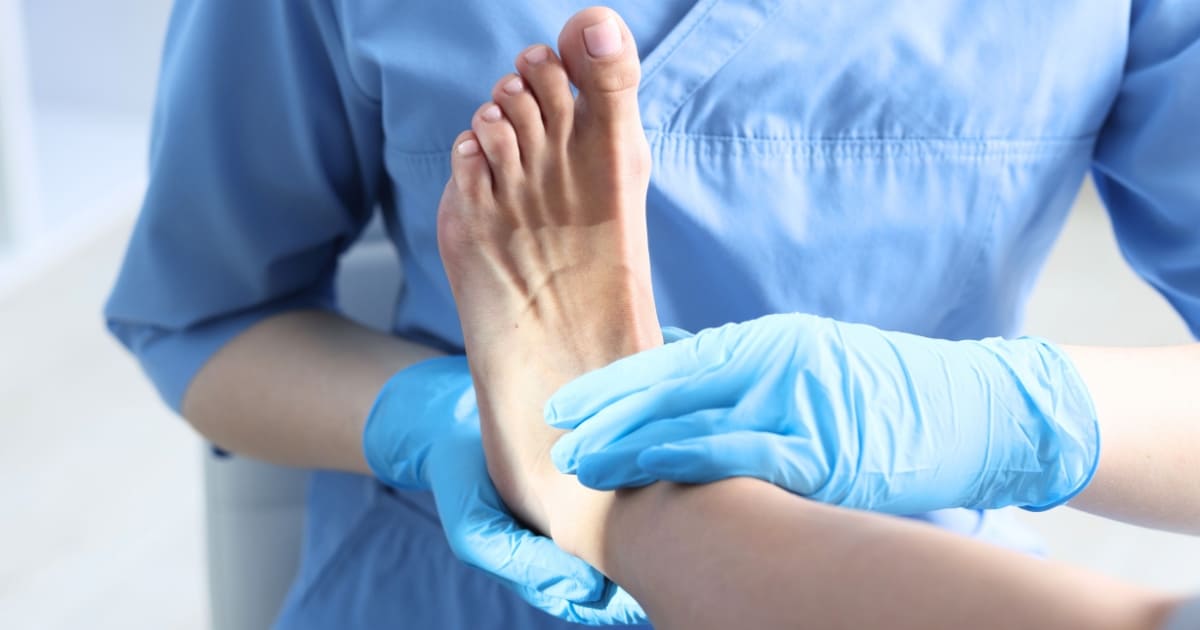
Foot and ankle orthopedic surgeons usually diagnose it mainly through a physical examination. The doctor will have the patient lie prone and let the foot or ankle hang off the edge of the examination bed.
- If the tendon is not ruptured: the tendon will be tight, the ankle is often in a toe-pointing-down position of about 20 degrees and when the doctor squeezes the upper calf, the toes will point further downward.
- If the tendon is ruptured: the tendon will not be tight, the ankle often hangs close to 90 degrees and when the doctor squeezes the calf, the toes will movevery little or not at all. The doctor may palpate about 2 – 3 inches (5 – 8 centimeters) above the heel to find the tendon gap.
- In general, special tests are not required such as ultrasound, X-ray, or MRI for every patient, but they can help in some cases (e.g., unclear symptoms or examination findings, or suspected other associated problems) or help with surgical planning, especially minimally invasive surgery to determine the correct incision location.
How is an Achilles tendon rupture treated
In the early stage, the leg is usually rested in a splint or a specialized boot with (Heel Lifts) to keep the tendon in a position suitable for healing. You should see a foot and ankle orthopedic surgeon as soon as possible after symptoms occur, to start appropriate treatment within the first few days.
Treatment options include non-surgical and surgical approaches, which continue to be compared in studies. Overall, it is found that:
- The surgical approach is often believed to improve push-off strength or (Explosive Strength) and has a lower risk of re-rupture.
- But surgery carries increased risks such as delayed wound healing wound problems nerve injury infection as well as the basic risks associated with surgery.
- Blood clots (Blood Clots) are a concern in both approaches.
- *The orthopedic surgeon will assess the pros and cons to choose the method appropriate for your physical condition and your goals for returning to daily life.
How is a non-surgical treatment for an Achilles tendon rupture done
It generally starts with:
- Resting the leg in a cast or boot
- Using crutches or a walker or a wheelchair to avoid weight-bearing on the injured leg in the early period
- Within a few weeks, the doctor and physical therapist will begin appropriate ankle and foot movement
- Adjusting the ankle immobilization device periodically to increase range of motion as the tendon heals
- Gradually increasing weight-bearing and starting targeted strengthening exercises
*The treatment duration varies by individual but most commonly takes about 3 months and usually includes a physical therapist as part of the rehabilitation plan.

How is surgery performed for an Achilles tendon rupture
Achilles tendon repair surgery generally involves:
- The doctor sutures the two torn ends of the tendon and pulls them back together
- The doctor may do this through one incision or multiple incisions (open, with direct visualization of the tendon)
- The doctor may do this through several small incisions (passing sutures through a guide or using assisting instruments)
- *Recovery after surgery is often similar to non-surgical treatment but for some patients may be slightly shorter.
How to take care of yourself after Achilles tendon rupture surgery
- Because the tendon has limited blood supply, it heals relatively slowly. In general, you can start light jogging at about 3 – 6 months.
- You can return to sports that involve cutting twisting pivoting changing direction jumpingat about 6 – 9 months.
- Full recovery may take 1 year or more and it is possible that the Achilles tendon may not feel the same compared with before the injury.
How to prevent an Achilles tendon rupture
Achilles tendon rupture is uncommon. Approaches that may help reduce risk include:
- Wearing shoes that provide good foot support
- Avoiding sudden, dramatic increases in high-impact activities (increase gradually)
- Doing warm-up and stretching of the calf muscles and Achilles tendon before exercise
- Avoid smoking because smoking clearly has negative effects on tendon health
What to do to help the tendon heal faster
Approaches found to give better results than prolonged immobilization are:
- Starting ankle movement (Range – of – Motion) and starting appropriate weight-bearing from the early stage under a plan set by the doctor and physical therapist
*However, moving too early or using improper technique may cause the tendon ends to separate, so it must be done correctly and appropriate to the healing stage. - What is highly recommended is having a clear rehabilitation program, jointly managed by an orthopedic surgeon and a physical therapist.
- If you smoke, you should stop completely while the tendon is healing to help ensure the best possible recovery.
After an Achilles tendon rupture on one side, how often does the other side rupture as well
Reports indicate that about 6% of people who have had an Achilles tendon rupture may rupture the other side in the future. Factors that may increase risk include chronic steroid use or work that regularly involves heavy force or heavy use of the feet.
Hospital specializing in the care and treatment of Achilles tendon rupture
Bone and Joint Center, Bangkok Hospital International, a hospital for bones and the brain, is ready to care for and treat Achilles tendon rupture with a highly experienced team of specialist doctors and a multidisciplinary team providing close consultation, along with modern tools and technology, so you can return to moving with agility every day.
Doctor specializing in the treatment of Achilles tendon rupture
Dr.Apisan Chinanuvathana Orthopedic Surgeon Foot and Ankle Specialist Bangkok Hospital International, a hospital for bones and the brain
You can click here to make an appointment yourself.