


Diabetes: Understand It, Prevent It, Manage It
What is Diabetes? Diabetes Mellitus is a condition in which blood sugar (glucose) levels are abnormally high due to the body’s inability to produce enough insulin or to use insulin effectively. Insulin is a vital hormone that helps transport glucose from the bloodstream into the cells to be used for energy.
Necrotizing Fasciitis: Early Detection, Timely Treatment, Preventable Threat
Necrotizing Fasciitis: A Silent Threat That Demands Urgent Attention Necrotizing fasciitis may sound frightening — and rightly so. It is a serious, fast-progressing infection that can rapidly destroy the body's soft tissues. If not diagnosed and treated promptly, it can lead to severe complications, including permanent damage and even loss of life.

Fungal Infections: An Overlooked Silent Danger
While viruses and bacteria are commonly recognized as the primary causes of infectious diseases, there is another group of pathogens that should not be overlooked: fungi. These microorganisms can cause a wide range of infections, affecting the skin, mucous membranes, and beyond.
Parasitic Infections: The Silent Threat from Overlooked Environmental Factors
Common Types of Parasites in Thailand Roundworms Examples: Ascaris lumbricoides (large roundworm), Enterobius vermicularis (pinworm), Ancylostoma duodenale (hookworm)

Coliform Infection: The Silent Threat from Contaminated Water and Food
Coliform infection is caused by bacteria in the coliform group—microorganisms commonly found in the intestines of humans and animals. The presence of coliform bacteria in drinking water or food often signals fecal contamination and may indicate the presence of other harmful pathogens, such as certain strains of Escherichia coli (E. coli), some of which can lead to severe gastrointestinal illnesses.

Understanding Hikikomori
Understanding Hikikomori When Social Withdrawal Becomes a Silent Threat to Mental Health What is Hikikomori? Hikikomori is a psychological condition characterized by extreme and prolonged social withdrawal. Individuals with this condition isolate themselves by staying in their rooms or homes for more than six months.

Typhoid Fever
Typhoid Fever: Causes, Symptoms, Prevention, and Treatment Overview Typhoid fever is a bacterial infection caused by Salmonella enterica serotype Typhi. It spreads from person to person primarily through the ingestion of food or water contaminated with the feces of an infected individual.

Cholera
Cholera: Causes and Symptoms Cholera is an acute infectious disease caused by the bacterium Vibrio cholerae. It is commonly transmitted through the consumption of food or water contaminated with feces from an infected person.
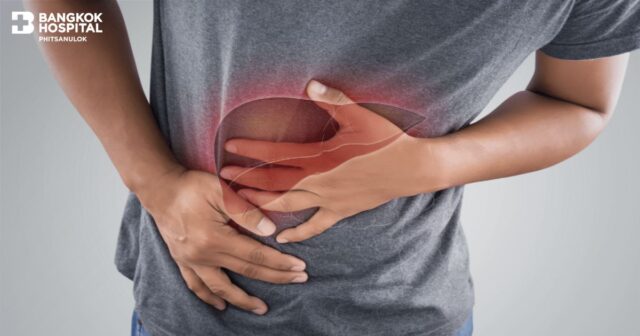
Food- and Water-Borne Hepatitis: A Global Public Health Concern
Food- and water-borne hepatitis, particularly Hepatitis A, along with various other gastrointestinal infections, remains a widespread public health issue across the globe.

Air Pollution (PM2.5)
Air Pollution (PM2.5): Prevention and Treatment In today’s world, air pollution—particularly PM2.5 (particulate matter with a diameter of 2.5 microns or smaller)—has become a significant public health concern.
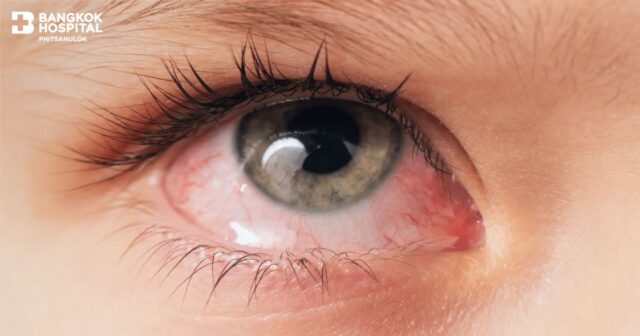
Preventing Conjunctivitis (Pink Eye)
Conjunctivitis (Pink Eye): Prevention and Treatment Conjunctivitis, commonly known as pink eye, is one of the most prevalent eye conditions and can spread easily, particularly during seasonal weather changes or in crowded environments such as schools, offices, or military camps.
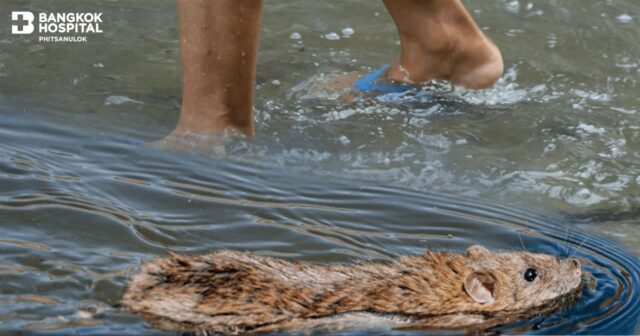
Leptospirosis: The Silent Threat Not to Be Overlooked During the Rainy Season
Leptospirosis is a bacterial infection caused by Leptospira species, commonly found in the urine of various animals—most notably rodents, which are the primary carriers. These bacteria can survive for weeks in moist environments such as water or soil, particularly during the rainy season, in floodwaters, or areas with stagnant water.