

Understanding Hikikomori
When Social Withdrawal Becomes a Silent Threat to Mental Health
What is Hikikomori?
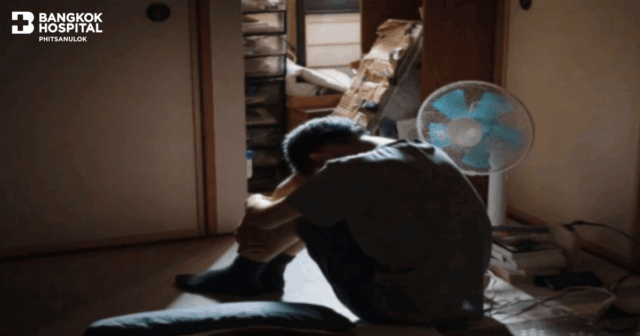
Hikikomori is a psychological condition characterized by extreme and prolonged social withdrawal. Individuals with this condition isolate themselves by staying in their rooms or homes for more than six months. They typically avoid school, work, and any clear form of social interaction. This phenomenon is most commonly seen among adolescents and young adults.
Although first recognized in Japan, hikikomori is now increasingly observed in many countries, including Thailand. It often emerges in individuals facing academic pressure, economic stress, or unresolved family issues.
Causes of Hikikomori
-
Chronic stress from academic or professional demands
-
Past experiences of failure or disappointment
-
Pressure from family or societal expectations
-
Social rejection, bullying, or traumatic interpersonal experiences
-
Undiagnosed or untreated depression or anxiety
-
Family conflicts or lack of emotional support
Warning Signs to Watch For
-
Staying alone in a room for extended periods, rarely going outside
-
Avoiding school, work, or social activities
-
Refusing to engage in conversation, even with family members
-
Repetitive behaviors such as excessive gaming, staying up late, and waking up late
-
Emotional numbness, lack of motivation, and disinterest in the future
Possible signs of co-occurring depression or anxiety disorders
Prevention Strategies
-
Foster open communication and emotional support within the family
-
Avoid harsh judgment or unrealistic expectations
-
Provide opportunities for creative and constructive self-expression
-
Recognize early behavioral changes or red flags
-
Encourage the development of social skills and resilience in coping with stress
Treatment Approaches
-
Psychiatric Consultation – A comprehensive mental health assessment by professionals
-
Cognitive Behavioral Therapy (CBT) – To address negative thought patterns and reduce anxiety
-
Family Therapy – To strengthen familial understanding and emotional support
-
Gradual Social Reintegration – Through group activities or structured rehabilitation programs
-
Medication (if needed) – Antidepressants or anxiolytics may be prescribed based on clinical evaluation
Important to Remember
Hikikomori is not a personal failing. It is a serious mental health condition that requires understanding, empathy, and appropriate care. If someone close to you shows signs of severe withdrawal, seek help from mental health professionals promptly.
Because “nurturing the mind is the first step toward a balanced and meaningful life.”