Typhoid Fever: Causes, Symptoms, Prevention, and Treatment
Overview
Typhoid fever is a bacterial infection caused by Salmonella enterica serotype Typhi. It spreads from person to person primarily through the ingestion of food or water contaminated with the feces of an infected individual. The disease is more prevalent in areas with poor sanitation systems or communities with inadequate water and waste management. Effective prevention and timely treatment are crucial to reducing transmission and mitigating the impact of the infection.
Typhoid Fever: Causes, Symptoms, Prevention, and Treatment
Overview
Typhoid fever is a bacterial infection caused by Salmonella enterica serotype Typhi. It spreads from person to person primarily through the ingestion of food or water contaminated with the feces of an infected individual. The disease is more prevalent in areas with poor sanitation systems or communities with inadequate water and waste management. Effective prevention and timely treatment are crucial to reducing transmission and mitigating the impact of the infection.
Symptoms of Typhoid Fever
Symptoms usually develop several days to weeks after exposure to Salmonella Typhi. Common clinical manifestations include:
-
High fever – Persistent, elevated temperature lasting several days.
-
Digestive issues – Diarrhea or constipation, sometimes alternating.
-
Nausea and vomiting
-
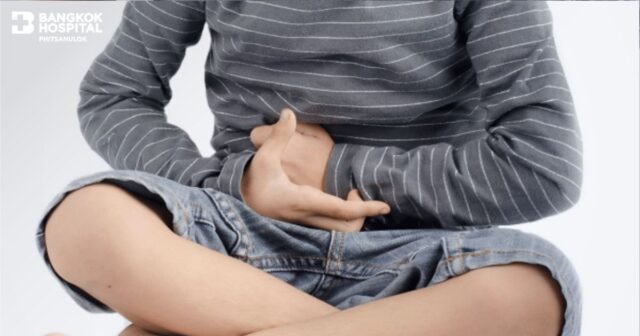
Abdominal pain – Commonly in the region of the small intestine.
-
Fatigue and headache – General feelings of weakness and head discomfort.
-
Skin rash – Small, flat, rose-colored spots may appear on the trunk and limbs.
If left untreated, typhoid fever can lead to serious complications such as intestinal perforation or bloodstream infections, which may be life-threatening.
Prevention of Typhoid Fever
Prevention strategies primarily focus on controlling the spread of the bacteria via food and water. Adhering to the following guidelines can significantly reduce the risk of infection:
-
Personal hygiene – Regular handwashing, especially after using the restroom and before meals, is one of the most effective measures to prevent transmission.
-
Safe drinking water – Consume only treated or properly filtered water. Boiling or using certified filtration systems can help eliminate bacterial contamination.
-
Proper food handling – Eat only thoroughly cooked food and avoid items that may have been improperly stored or contaminated.
-
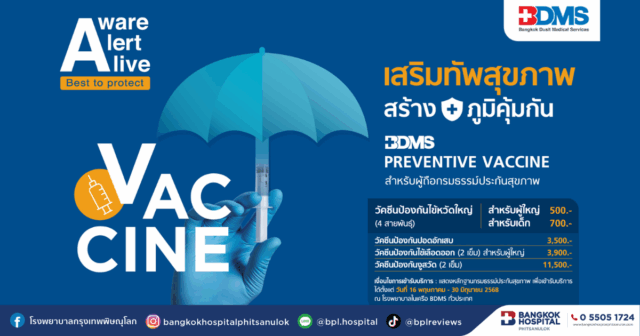
Vaccination – Typhoid vaccination is recommended for individuals traveling to high-risk areas or those frequently exposed to unsanitary conditions.
-
Sanitation infrastructure – Improved waste disposal, clean environments, and protection of drinking water sources from fecal contamination are essential public health measures.
Treatment of Typhoid Fever
Managing typhoid fever involves targeting the bacterial infection and preventing complications. Standard treatment includes:
-
Antibiotics – These are the mainstay of treatment, used to eliminate Salmonella Typhi. Selection is based on local resistance patterns and patient response.
-
Fluid and electrolyte replacement – In cases of severe diarrhea, patients may require oral rehydration solutions (ORS) or intravenous fluids to prevent dehydration.
-
Hospital care – Patients with severe symptoms or complications such as sepsis or intestinal perforation may need inpatient care and close medical monitoring.
-
Symptom management – Fever, pain, and nausea can be treated with supportive medications as deemed appropriate by the attending physician.
Conclusion
Typhoid fever remains a significant public health concern, particularly in regions with limited access to clean water and adequate sanitation. With proper hygiene, vaccination, and access to timely medical care, the risk of infection and its serious outcomes can be substantially reduced.