Air Pollution (PM2.5): Prevention and Treatment
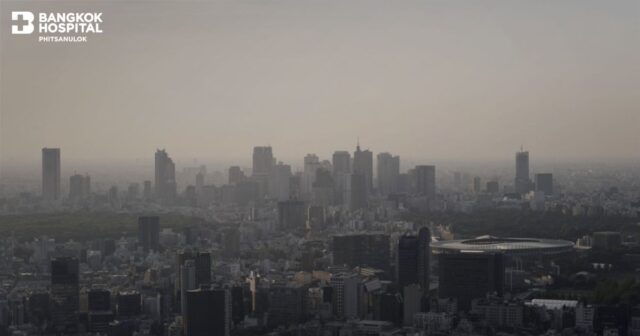
In today’s world, air pollution—particularly PM2.5 (particulate matter with a diameter of 2.5 microns or smaller)—has become a significant public health concern. This invisible threat affects not only people living in major urban areas but also those in regions impacted by open burning. PM2.5 poses serious risks to the respiratory system, cardiovascular health, and overall well-being, and if left unmanaged, can lead to severe chronic illnesses.
In this article, we will explore effective methods for both the prevention and treatment of diseases related to PM2.5 exposure.
What is PM2.5?
PM2.5 refers to microscopic particles that are 2.5 microns or smaller in diameter—several times smaller than a human hair. These particles are capable of penetrating deep into the respiratory tract and even entering the bloodstream. Inhalation of PM2.5 can irritate the lungs, blood vessels, and various organs, increasing the risk of developing conditions such as asthma, cardiovascular disease, chronic lung diseases, and even lung cancer over time.
Health Conditions Caused by PM2.5 Air Pollution
1. Respiratory Diseases
-
Inhalation of PM2.5 can cause asthma attacks, difficulty breathing, and lung irritation. These particles can exacerbate existing conditions such as asthma and chronic obstructive pulmonary disease (COPD).
2. Cardiovascular Diseases
-
Long-term exposure to air pollution impairs heart and blood vessel function, increasing the risk of ischemic heart disease, atherosclerosis, and stroke.
3. Lung Cancer
-
Prolonged exposure to polluted air can induce cellular changes in lung tissue, potentially leading to the development of lung cancer.
4. Mental Health Issues
-
Beyond physical health, air pollution has been linked to mental health concerns such as stress, anxiety, and depression in certain individuals.
How to Prevent PM2.5-Related Illnesses
1. Monitor Air Quality Regularly
-
Check local air quality indices from reliable sources, such as official websites or mobile applications, to plan your activities and avoid outdoor exposure during high pollution periods.
2. Limit Outdoor Activities During High Pollution
-
When PM2.5 levels are high, minimize time spent outdoors. If outdoor activity is unavoidable, wear a properly fitted N95 respirator mask that can effectively filter fine particles.
3. Use Air Purifiers Indoors
-
Installing air purifiers in homes and workplaces helps reduce indoor pollution levels, especially during periods of elevated PM2.5 concentration.
4. Strengthen the Immune System
-
Consume antioxidant-rich foods, such as fruits high in vitamins C and E, and engage in regular physical activity to boost lung function and overall immunity.
5. Avoid Open Burning
-
Refrain from burning waste or biomass in open areas, especially in regions already experiencing high air pollution levels.
Treatment of Diseases Caused by Air Pollution
1. Managing Respiratory Conditions
-
Individuals experiencing coughing, asthma symptoms, or breathing difficulties should consult a physician. Treatments may include inhalers, bronchodilators, or anti-inflammatory medications.
2. Treating Cardiovascular Diseases
-
Patients with existing heart or vascular conditions can manage their health through antihypertensive drugs, cholesterol-lowering medications, and lifestyle modifications.
3. Annual Health Check-Ups
-
Regular check-ups are crucial, particularly for those at higher risk—such as individuals with pre-existing conditions or those working in polluted environments.
4. Pulmonary Rehabilitation
-
Those suffering from reduced lung function due to pollution may benefit from pulmonary rehabilitation programs, including physical therapy and breathing exercises, to restore lung capacity and improve quality of life.