

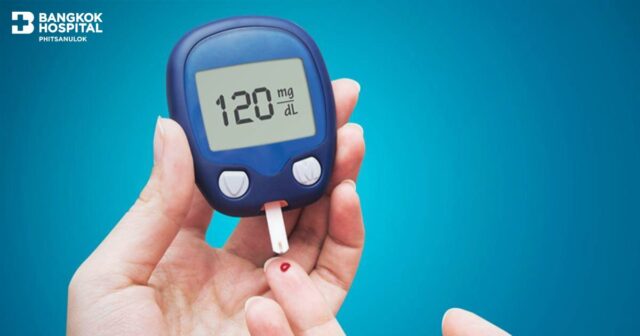
What Blood Sugar Level Indicates Diabetes?
Diabetes Mellitus (DM) is a chronic condition characterized by elevated blood sugar levels due to either an insulin deficiency or resistance to insulin action. Insulin is a hormone essential for allowing glucose to enter the body’s cells to be used as energy. When insulin is insufficient or ineffective, glucose builds up in the bloodstream, leading to hyperglycemia. Prolonged high blood sugar levels can damage blood vessels and various organs, potentially resulting in serious complications.

Diabetes: A Silent Threat to Health and Well-being
Diabetes is a chronic condition that impacts multiple body systems, including the teeth and gums, eyes, kidneys, heart, brain, and blood vessels.
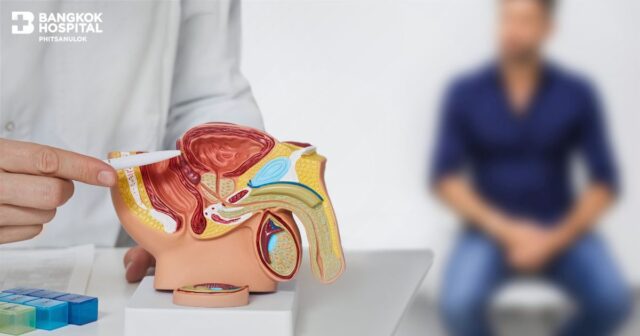
Benign Prostatic Hyperplasia (BPH): A Common Yet Overlooked Condition Among Men
As men age, hormonal changes naturally occur—affecting not only the body but also the mind and emotions, much like menopause in women. Among these changes, prostate-related disorders are particularly prevalent. In fact, the most commonly diagnosed condition among Thai men is Benign Prostatic Hyperplasia (BPH), affecting up to 80% of the male population. This is followed by prostate cancer (18%) and prostatitis (2%). Early detection and timely medical intervention are essential to prevent complications and improve quality of life.

Precocious Puberty in Children: What Parents Need to Know
Understanding Early-Onset Puberty As children grow, transitioning from childhood to adolescence is a natural developmental stage. However, when physical changes associated with puberty occur earlier than expected, it may be a sign of a medical condition known as precocious puberty. For example, breast development before age 8 or menstruation before age 9 in girls,

Tonsil Stones: A Hidden Cause of Chronic Bad Breath
Struggling with persistent bad breath no matter how often you brush your teeth? Do you feel a constant irritation in your throat or a sensation like something is stuck when you swallow food or water? These could be warning signs of tonsil stones—a common yet often overlooked condition. While not usually dangerous, untreated tonsil stones can lead to chronic infection and worsening bad breath, making you hesitant to speak with confidence.

Herpangina
Understanding Herpangina Herpangina is a contagious viral illness that poses a health risk to young children, especially during the rainy season. Most commonly found in children aged 2 to 10 years, the disease can occur at any age but is particularly prevalent in children under five. It tends to spread rapidly in settings where children congregate in large numbers, such as schools and daycare centers.

Minimally Invasive Knee Replacement Surgery in Phitsanulok
Before Considering Knee Replacement Surgery Knee replacement is often necessary when the surface of the knee joint has been severely damaged by arthritis or trauma. Patients typically experience pain while walking or climbing stairs. In more advanced stages, pain may persist even when sitting or lying down.