


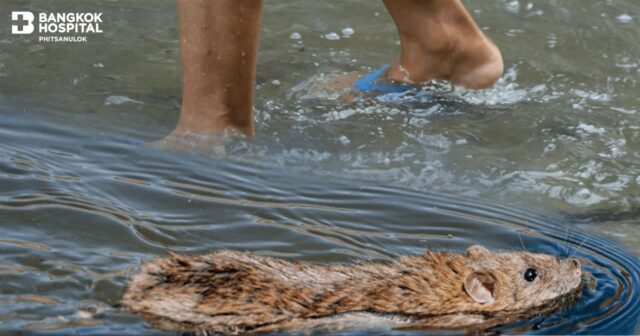
Leptospirosis is a bacterial infection caused by Leptospira species, commonly found in the urine of various animals—most notably rodents, which are the primary carriers. These bacteria can survive for weeks in moist environments such as water or soil, particularly during the rainy season, in floodwaters, or areas with stagnant water.
Although the disease is treatable, delayed diagnosis or improper treatment can lead to serious and potentially fatal complications.
Causes and Transmission
Leptospirosis is transmitted to humans through direct contact with water, soil, or surfaces contaminated with the urine of infected animals. The risk of infection increases if the person has open wounds, scratches, or inflamed skin, as the bacteria can enter the body through the skin, eyes, mouth, or nasal membranes.
High-risk activities include:
-
Walking through floodwaters
-
Cleaning up after floods without proper protective gear
-
Farming or animal handling in wet or muddy conditions
-
Drinking unclean or untreated water
Symptoms of Leptospirosis
Early symptoms may resemble the flu, leading to underdiagnosis. Common signs include:
-
High fever and chills
-
Severe headache
-
Muscle pain, especially in the calves
-
Red eyes, nausea, and vomiting
-
Decreased urination
-
Jaundice (yellowing of the skin and eyes), in cases involving liver inflammation
If untreated, the disease may progress to severe complications such as kidney failure, liver failure, pulmonary infections, or internal bleeding—all of which can be life-threatening.
Diagnosis
Diagnosis is based on a combination of clinical history, particularly exposure to high-risk environments, physical examination, and specific blood tests to detect the bacteria. If leptospirosis is suspected, early treatment should be initiated even before laboratory confirmation, to reduce the risk of complications.
Treatment
Leptospirosis is treatable with antibiotics, and the choice of medication depends on the severity of the condition. Commonly used antibiotics include:
-
Doxycycline
-
Penicillin
-
Ceftriaxone (for severe cases)
Patients with severe symptoms may require hospitalization and supportive care, such as intravenous fluids, monitoring of kidney and liver function, or mechanical ventilation in cases of severe lung involvement.
Prevention
Leptospirosis is highly preventable with proper hygiene and behavior modifications, especially during the rainy season or flood events:
-
Avoid wading through floodwaters or muddy terrain. If unavoidable, wear rubber boots and gloves.
-
Cover any cuts or wounds securely before coming into contact with soil or water.
-
Wash hands and feet thoroughly after exposure to potentially contaminated materials.
-
Drink only boiled or properly treated water.
-
Store food in sealed containers to prevent rodent contamination.
-
Individuals at high risk—such as rescue workers, farmers, and laborers working in flood-prone areas—should consult a physician about preventive antibiotics.