

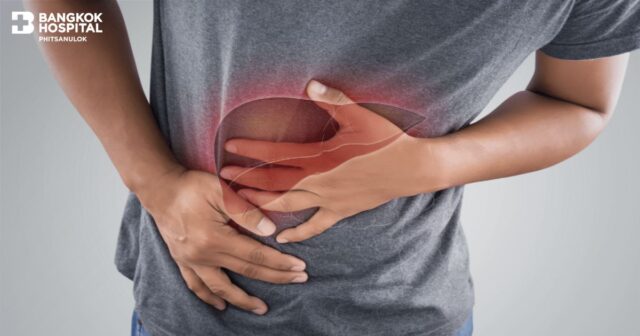
Food- and water-borne hepatitis, particularly Hepatitis A, along with various other gastrointestinal infections, remains a widespread public health issue across the globe. These diseases are typically caused by viruses, bacteria, or parasites that enter the human body through the consumption of contaminated food or water—especially in areas where sanitation and hygiene standards are inadequate. Prevention and timely treatment are essential for long-term health and well-being.
Hepatitis A: Causes and Transmission
Hepatitis A is an acute liver infection caused by the Hepatitis A virus (HAV). It is primarily transmitted through ingestion of food or water contaminated with fecal matter from infected individuals. Contamination often occurs in settings with poor hygiene practices or when food preparation equipment is not properly cleaned. The disease is especially prevalent in areas with substandard sanitation infrastructure or during viral outbreaks.
Symptoms of Hepatitis A
Infected individuals may experience:
-
Nausea and vomiting
-
Fatigue
-
Abdominal discomfort
-
Jaundice (yellowing of the skin and eyes)
-
Dark-colored urine
Although most cases resolve spontaneously within 2 to 4 weeks, some may develop more serious complications.
Prevention of Hepatitis A
-
Vaccination:
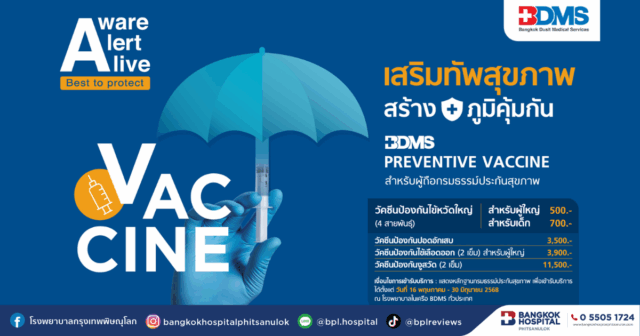
Hepatitis A vaccination is one of the most effective methods of prevention, especially for individuals living in or traveling to high-risk areas. Two doses of the vaccine provide up to 95% protection after the initial dose. -
Personal Hygiene:
Regular and thorough handwashing with soap and clean water—especially before meals and after using the restroom—is a simple yet powerful method to prevent infection. -
Safe Food and Water Consumption:
Avoid undercooked or raw food, especially seafood, as these may harbor the virus. Drink only treated or properly filtered water to minimize exposure. -
Proper Waste Management and Sanitation:
Effective waste disposal and maintaining a clean home and work environment help reduce the risk of environmental contamination and disease transmission.
Other Gastrointestinal Diseases Linked to Contaminated Food and Water
In addition to Hepatitis A, several other diseases can result from consuming contaminated food or water:
-
Bacterial Gastroenteritis:
Caused by bacteria such as Salmonella, E. coli, and Campylobacter, this condition is typically associated with food or water tainted by animal or human feces. Symptoms commonly include diarrhea, vomiting, and abdominal pain. -
Cholera:
A life-threatening illness caused by Vibrio cholerae, cholera spreads through untreated water or food. It can lead to severe diarrhea and rapid dehydration. -
Viral Gastroenteritis:
Caused by viruses such as Norovirus or Rotavirus, this disease spreads through the ingestion of contaminated food or water. Symptoms include diarrhea, nausea, and vomiting.
Treatment for Hepatitis A
There is no specific antiviral treatment for Hepatitis A. Management typically involves supportive care to relieve symptoms and promote recovery.
-
Adequate Rest and Hydration:
Sufficient rest and fluid intake are crucial, particularly for preventing dehydration caused by diarrhea. -
Easily Digestible Diet:
Patients are advised to consume light, non-greasy, and non-spicy foods to avoid gastrointestinal discomfort. -
Symptomatic Medication:
In cases of severe symptoms or complications—such as secondary infections or dehydration—medical professionals may recommend appropriate medications or alternative therapies. -
Liver Function Monitoring:
Blood tests to assess liver function are vital for patients with more severe cases, helping to detect and prevent potential complications.
This information aims to raise awareness and promote preventive behaviors to reduce the incidence of food- and water-borne illnesses. At Bangkok Hospital Phitsanulok, we are committed to delivering world-class healthcare through education, prevention, and compassionate care.