
Fungal Infections: A Silent Threat Not to Be Overlooked
While viruses and bacteria are commonly known as the leading causes of infectious diseases, there is another group of pathogens that deserves equal attention—fungi. These microorganisms can cause infections affecting the skin, mucous membranes, and even internal organs, particularly in individuals with weakened immune systems.
Fungi are naturally present in the environment—found in soil, air, plants, and even within the human body. While many fungal species are harmless, certain types can become pathogenic, especially under favorable environmental conditions or when immunity is compromised.
Types of Fungal Infections
1. Superficial Mycoses (Skin Fungal Infections)
-
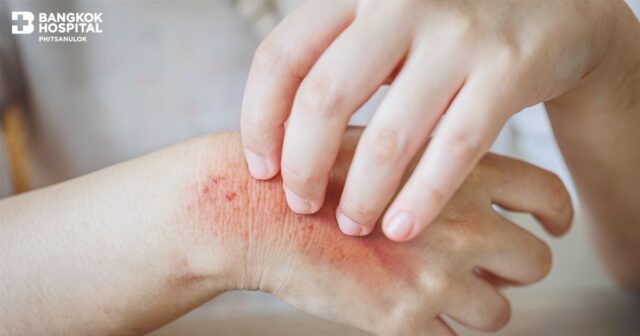
Examples: Ringworm, tinea versicolor, fungal infections of the nails or scalp
-
Primary Cause: Dermatophytes such as Trichophyton and Microsporum
-
Mode of Transmission: Direct contact with contaminated objects or surfaces, such as clothing, towels, or bathroom floors
2. Mucosal Candidiasis (Oral or Vaginal Yeast Infections)
-
Caused by Candida albicans, a fungus that normally lives in the body
-
Triggers: Disruption of the body’s natural balance—due to weakened immunity or prolonged use of antibiotics
-
Symptoms: Itching and abnormal discharge in vaginal infections, or white patches in the mouth
3. Invasive Fungal Infections (Deep or Systemic Fungal Infections)
-
Common among immunocompromised individuals, such as cancer patients, organ transplant recipients, or people living with HIV
-
Common Pathogens: Aspergillus, Cryptococcus, Histoplasma
-
Symptoms: Persistent fever, difficulty breathing, and in severe cases, infection may spread to the brain, lungs, or bloodstream
Risk Factors
-
Long-term use of antibiotics or corticosteroids
-
Underlying conditions that suppress the immune system, such as diabetes, cancer, or HIV/AIDS
-
Poor personal hygiene, such as wearing damp shoes or not drying the body thoroughly
-
Hot and humid weather conditions
Preventing Fungal Infections
1. Maintain personal and clothing hygiene
-
Keep the body dry, especially in areas prone to moisture like the feet, groin, and skin folds
-
Use personal towels and change damp clothing promptly
2. Avoid sharing personal items
-
Such as combs, hats, and footwear
3. Eat foods that boost immunity
-
Including yogurt or probiotic-rich foods to help maintain a healthy balance of microorganisms
4. Manage chronic illnesses effectively
-
Particularly diabetes, as poor control can increase the risk of fungal infections