Cholera: Causes and Symptoms
Cholera is an acute infectious disease caused by the bacterium Vibrio cholerae. It is commonly transmitted through the consumption of food or water contaminated with feces from an infected person. The infection can lead to severe diarrhea, which may cause rapid dehydration. Without prompt and appropriate treatment, this condition can result in hypovolemic shock and even death.
Causes of Cholera
Cholera infection occurs when Vibrio cholerae enters the body through ingestion of food or water contaminated with fecal matter from an infected individual or carrier. The bacteria invade the gastrointestinal tract, making cholera particularly prevalent in areas with inadequate sanitation systems and poor hygiene practices.
Symptoms of Cholera
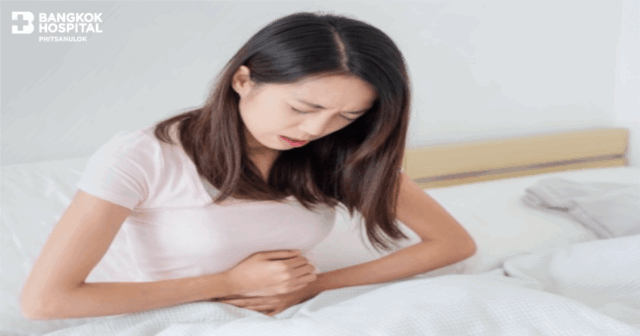
Individuals infected with Vibrio cholerae typically experience acute watery diarrhea, which can lead to the loss of several liters of fluid per day. Other symptoms may include nausea, vomiting, and abdominal cramps. Due to the rapid loss of fluids, dehydration can occur quickly, potentially resulting in shock, lowered body temperature, and—in severe, untreated cases—death.
Cholera Prevention
Effective prevention strategies can significantly reduce the risk of cholera infection. These include:
-
Maintaining Proper Hygiene
-
Handwashing: Washing hands thoroughly with soap and clean water after using the restroom and before eating is a simple yet highly effective preventive measure.
-
Safe Food Storage: Cooked and raw foods should be stored separately and refrigerated properly to inhibit bacterial growth.
-
-
Drinking Safe Water
-
Ensure that drinking water is properly treated—either by boiling, filtering, or using chemical disinfection methods—to eliminate potential pathogens.
-
-
Consuming Well-Cooked Foods
-
Avoid consuming raw or visibly contaminated foods. Ensure that all meals are freshly prepared and cooked thoroughly, using clean utensils and preparation surfaces.
-
-
Vaccination Against Cholera
-
Vaccination is recommended for high-risk groups, including travelers to endemic areas and individuals likely to be exposed to contaminated water or food sources.
-
-
Improved Sanitation Infrastructure
-
Community-wide sanitation improvements—such as proper waste disposal, wastewater treatment, and maintaining hygiene in food and water handling areas—can significantly curb the spread of the disease.
-
Cholera Treatment
With timely medical intervention, cholera can be effectively treated. The primary goal is to restore lost fluids and electrolytes and to manage symptoms. Key treatment approaches include:
-
Rehydration Therapy
-
Oral Rehydration Solution (ORS): The cornerstone of cholera treatment, ORS helps replace fluids and electrolytes lost due to diarrhea.
-
Intravenous Fluids: In cases of severe dehydration or when oral intake is not possible, IV fluid replacement is essential to stabilize the patient.
-
-
Antibiotic Therapy
-
In certain severe cases or when complications arise, antibiotics may be prescribed to shorten the duration of illness and reduce bacterial shedding, which helps prevent transmission.
-
-
Supportive Symptom Management
-
Providing care in a clean and safe environment, with appropriate monitoring and symptomatic relief, supports quicker recovery and reduces the risk of complications.
-