


High Liver Enzymes: What Elevated Liver Function Test Results Mean for Your Health
The liver is one of the body's most vital organs, producing the building blocks for countless chemical reactions — from bile and digestive enzymes to blood clotting factors and immune substances.

Fatty Liver Disease: What It Is, What Causes It, and How to Protect Your Liver
Fatty liver disease (hepatic steatosis) is a condition in which excess fat accumulates in liver cells. It is closely associated with being overweight and having high blood fat or blood sugar levels.

Allergies and Allergy Skin Prick Testing
An allergy occurs when the immune system overreacts to a substance that enters the body through breathing, touch, or ingestion. The body mistakenly identifies the substance as a threat, triggering symptoms such as sneezing

High Blood Cholesterol (Hyperlipidemia): Causes, Risks, and How to Manage It
High blood cholesterol is a starting point for several serious diseases. Understanding what it is, what causes it, and how to manage it can make a significant difference to your long-term health.

GERD: Understanding Acid Reflux, Heartburn, and Why You Should Not Ignore It
Acid reflux occurs when digestive fluid from the stomach flows back up into the esophagus — the tube that carries food from the mouth to the stomach.
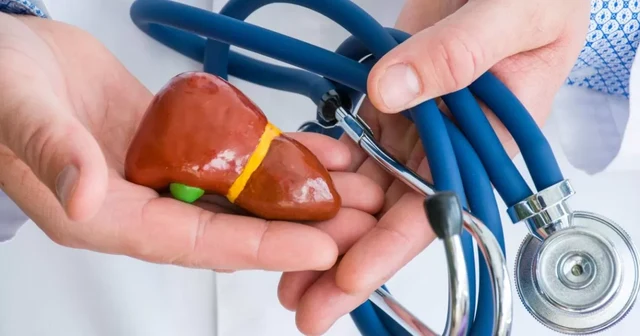
Understanding Liver Function and 7 Ways to Keep Your Liver Healthy
The liver has been compared to a large engine at the heart of an industrial plant — performing countless functions to keep the entire system running smoothly. In fact, the liver performs more than 500 functions essential to daily life.

Breast Cancer
I was reading some clinical reports on death rates for women. Breast cancer is the commonest cancer of women

Breast Abnormality Biopsy
For patients who prefer not to undergo surgery due to concerns about scarring or having multiple scars if there are several lumps, the Breast Center at Bangkok Hospital Pattaya now offers an innovation: the Vacuum Assisted Breast Biopsy (VABB).
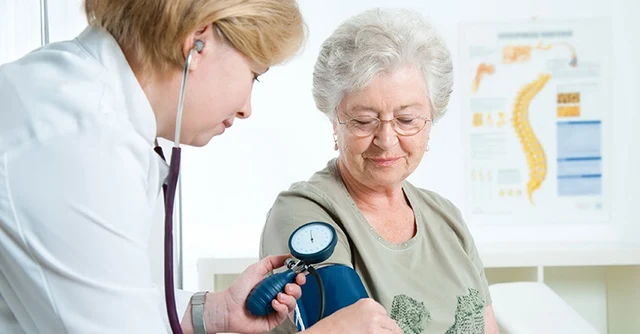
Instructions for preparation for health check-up
Get enough sleep, at least 6 hours, prior to the check-up.
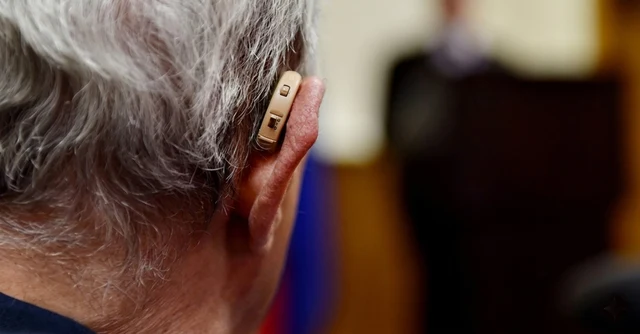
Hearing Problems Can Be Solved
Sound is created by air molecules vibrating through the ear canal, striking the eardrum — which separates the outer and middle ear.

Lung Cancer: What You Need to Know
Lung cancer is caused by the abnormal growth of cells in the lungs, which can spread to other organs. It is classified into two main types:

Lifestyle Changes for a Healthier Heart
Cardiovascular disease is one of the top three leading causes of death worldwide. Even with advanced treatments such as Percutaneous Coronary Intervention (PCI) or Coronary Bypass Surgery, these procedures do not cure the disease permanently — patients can and do relapse.