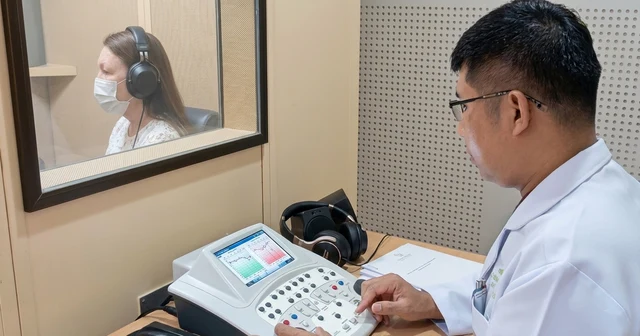


How Does Hearing Work?
Sound is created by air molecules vibrating through the ear canal, striking the eardrum — which separates the outer and middle ear. The eardrum vibrates and transmits sound to three tiny bones: the malleus, incus, and stapes. This process is called sound conduction. The vibrations then travel to fluid in the inner ear, where tiny hair cells convert the movement into nerve signals sent to the brain — a process called neural sound transmission.
What Causes Hearing Loss?
Hearing loss is classified into 3 types depending on where the problem occurs, and may affect one or both ears:
- Conductive Hearing Loss — occurs in the outer or middle ear. Usually temporary and treatable with medication or surgery. Common causes include ear canal infection, earwax blockage, perforated eardrum, or calcium deposits on the ear bones.
- Sensorineural Hearing Loss — occurs in the inner ear due to damage to the hair cells. Causes include maternal rubella during pregnancy, drug reactions, genetics, loud noise exposure, viral infection, or natural age-related deterioration. This type cannot be fully restored to normal hearing.
- Mixed Hearing Loss — a combination of both conductive and sensorineural hearing loss. Partial treatment is possible.
Hearing Aids
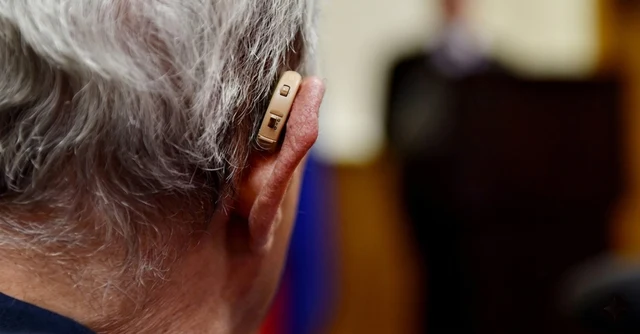
Hearing aids assist those whose hearing loss cannot be treated, or where treatment has been completed. They are small electronic devices containing a microphone that picks up and amplifies sound. Various styles are available to suit different needs and lifestyles:
- Behind-The-Ear (BTE) — the device sits behind the ear with a clear plastic tube that directs amplified sound into a custom ear mold. Suitable for high amplification needs.
- In-The-Ear (ITE) — custom-made to fill the entire outer ear and canal. Easy to use and ideal for those with limited hand dexterity or who require high amplification.
- In-The-Canal (ITC) — custom-made and sits inside the ear canal, with only a small portion visible from the outside.
- Completely-In-The-Canal (CIC) — custom-made and fits entirely inside the ear canal, virtually invisible. A small pull cord makes it easy to insert and remove. Popular for its discreet appearance.
Appointments are available for consultation and assessment of language and speech development with a qualified speech therapist.
For more information: Hearing, Speech, Balance & Tinnitus Center, Bangkok Hospital Pattaya – Tel. 0 3825 9964