


Why liver function test results matter
The liver is one of the body’s most vital organs, producing the building blocks for countless chemical reactions — from bile and digestive enzymes to blood clotting factors and immune substances. When a routine liver function test reveals high liver enzymes, it is a signal worth taking seriously. The more damage the liver sustains, the greater the risk of complications affecting multiple systems throughout the body.
What does a liver function test show?
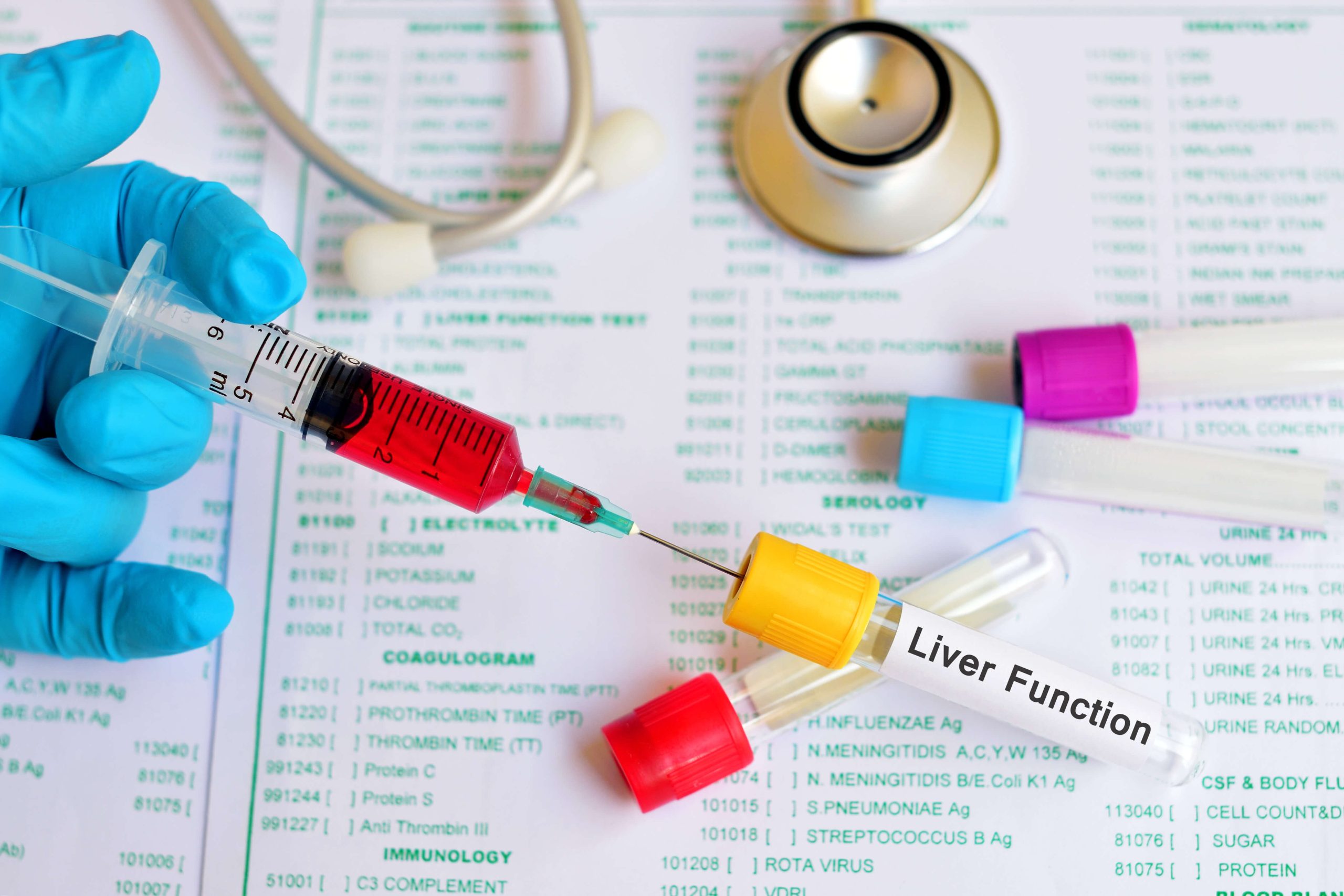
A liver function test is a blood test that measures the concentration of liver enzymes — proteins produced by the liver that drive essential chemical reactions in the body, including the production of bile, blood clotting factors, digestive substances, and immune compounds.
When liver enzymes are high, it means the liver is releasing more enzymes than normal into the bloodstream — a sign that the liver may be under stress or damaged. The two enzymes most commonly found to be high on a liver function test are:
- AST (SGOT) – aspartate aminotransferase
- ALT (SGPT) – alanine aminotransferase
A liver function test showing high liver enzymes does not automatically confirm liver disease. The result may or may not point directly to the liver as the source. A doctor will review the full clinical picture — symptoms, history, and where necessary, additional investigations — to identify the underlying cause and determine appropriate treatment.
What causes liver enzymes to be high?
When a liver function test returns high results, the most common underlying causes include:
- Hepatitis A, B, or C viral infection
- Alcohol consumption
- Non-alcoholic fatty liver disease (NAFLD)
- Obesity
- Congestive hepatopathy from heart failure
- Paracetamol (acetaminophen) overdose from self-medication
- Side effects of certain medications, such as statins used to treat high cholesterol
Less common but notable causes of high liver enzymes include:
- Alcoholic hepatitis
- Autoimmune hepatitis
- Drug-induced or toxic hepatitis
- Coeliac disease (small intestinal disorder related to gluten)
- Liver cancer
- Polymyositis (muscle inflammation)
- Thyroid conditions
- Cytomegalovirus (CMV) infection
- Epstein-Barr virus (EBV) infection
- Haemochromatosis (iron overload)
- Wilson’s disease (copper accumulation)
- Sepsis (bloodstream infection)

Who is at higher risk of high liver enzymes?
- Those with a family history of liver disease
- Those who drink alcohol excessively or without moderation
- Those who have been or may have been exposed to hepatitis viruses
- Those taking medications that may affect the liver
- Those who have previously received blood or plasma transfusions
Do high liver enzymes cause symptoms?
Not always – particularly in the early stages. A liver function test may return high results even when the patient feels entirely well. When symptoms do appear, they often indicate more significant liver involvement:
- Dark urine
- Unusual abdominal pain
- Fatigue and breathlessness
- Jaundice (yellowing of the skin and eyes)
- Pale stools
- Loss of appetite
- Nausea and vomiting
Can high liver enzymes be prevented?
Not always — some underlying conditions that cause a liver function test to return high results cannot be fully prevented. However, protecting the liver from further damage is possible through the following:
- Avoid alcohol, or limit consumption to levels recommended by a doctor
- Avoid contact with blood-contaminated items such as needles or sharp objects
- Get vaccinated against Hepatitis A and B
- Eat a healthy, balanced diet
- Manage blood sugar levels, particularly if diabetic
- Always inform your doctor of any herbs, supplements, or medications you are taking
- Maintain a healthy body weight
- Exercise regularly
Why annual liver function testing matters
A liver function test gives a clear picture of whether liver enzymes are high and what that might mean for your health. If results show high liver enzymes, a doctor can investigate the root cause and begin appropriate treatment. Including a liver function test in your annual health check is as important as monitoring other key organs — and catching high liver enzyme levels early can prevent serious liver disease from developing.

Frequently Asked Questions About High Liver Enzymes and Liver Function Tests
What is a liver function test?
A liver function test is a blood test that measures liver enzyme levels in the bloodstream. It is used to assess liver health, screen for liver disease, and monitor the effects of medication or treatment on the liver. It is a standard component of most annual health check-up packages.
What does it mean when liver enzymes are high on a liver function test?
High liver enzymes on a liver function test indicate that the liver is releasing more enzymes than normal into the blood — a sign that the liver may be under stress, inflamed, or damaged. It does not automatically confirm liver disease, but it warrants further investigation to identify the cause.
What are AST and ALT and why are they high?
AST (SGOT) and ALT (SGPT) are the two liver enzymes most commonly elevated when liver problems are present. ALT is more specific to the liver, while AST can also be raised by conditions affecting the heart or muscles. When either is high on a liver function test, a doctor will assess the full clinical picture to determine the cause.
What are the most common causes of high liver enzymes?
The most common causes include Hepatitis A, B, and C, excessive alcohol consumption, non-alcoholic fatty liver disease, obesity, paracetamol overdose, and side effects from certain medications such as statins.
Can medication cause liver enzymes to be high?
Yes. Certain medications – including statins, some antibiotics, and over-the-counter pain relievers such as paracetamol when taken in excess — can cause liver enzymes to be high on a liver function test. Always inform your doctor of all medications, supplements, and herbal products you are taking.
Can I have high liver enzymes without any symptoms?
Yes. Many people with high liver enzymes on a liver function test have no symptoms at all, especially in the early stages. This is why routine liver function testing during annual health check-ups is so important — it can detect problems before symptoms develop.
What symptoms suggest my liver enzymes are significantly high?
Symptoms that may indicate significantly high liver enzymes include dark urine, pale stools, jaundice, unusual abdominal pain, persistent fatigue, loss of appetite, and nausea or vomiting. These warrant prompt medical evaluation and repeat liver function testing.
How can I lower high liver enzymes?
Treatment depends on the underlying cause identified through the liver function test. General measures that support liver health include avoiding alcohol, maintaining a healthy weight, eating a balanced diet, managing blood sugar and cholesterol levels, exercising regularly, and avoiding unnecessary medication or supplements. Your doctor will advise the most appropriate approach based on your specific results and history.
Who should have a liver function test regularly?
Annual liver function testing is recommended for anyone with a family history of liver disease, a history of alcohol use, known or suspected hepatitis exposure, obesity, diabetes, high cholesterol, or those taking medications that may cause liver enzymes to be high. Early detection enables timely intervention.
Is fatty liver disease related to high liver enzymes?
Yes. Both non-alcoholic fatty liver disease (NAFLD) and alcohol-related fatty liver disease are among the most common causes of high liver enzymes on a liver function test. If fatty liver is suspected following abnormal results, further assessment — including ultrasound and FibroScan — may be recommended to evaluate the extent of liver involvement.
For appointments or consultations, please contact Bangkok Hospital Pattaya’s Gastroenterology and Liver Center through any of our available channels. Tel. 0 3825 9999
Reference,
Elevated Liver Enzymes: What Is It, Causes, Prevention & Treatment (clevelandclinic.org)
Liver Enzymes – Viral Hepatitis and Liver Disease (va.gov)
Liver function tests – Mayo Clinic
Liver Function Tests: MedlinePlus Medical Test