

The liver: your body’s hardest-working organ
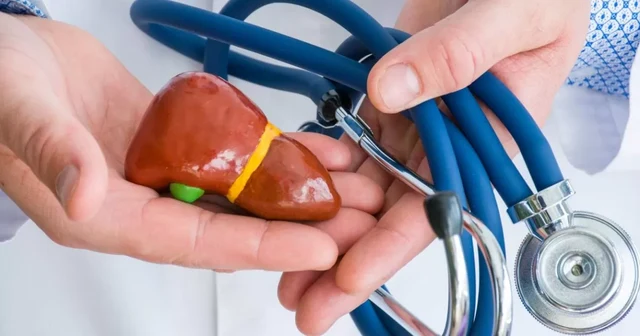
The liver has been compared to a large engine at the heart of an industrial plant — performing countless functions to keep the entire system running smoothly. In fact, the liver performs more than 500 functions essential to daily life. It also acts like a gland, producing proteins and hormones the body cannot do without.
Shaped roughly like a cone or triangle, the liver weighs approximately 1.3 to 1.5 kilograms on average — though size and weight vary with height and body weight. It is the largest internal organ in the body, normally located on the right side under the ribcage. In people with situs inversus (a rare condition where organs are mirrored), the liver sits on the left.
Because the liver does so much, it is also vulnerable to many types of disease and damage. Understanding what it does — and how to protect it — is one of the most important things you can do for your long-term health.
What does the liver do?
The liver’s functions can be broadly grouped into four categories: creating, controlling, storing, and filtering.
The liver creates:
- Albumin — a protein that maintains fluid balance in the bloodstream, prevents fluid from leaking out of blood vessels, and carries hormones, vitamins, and enzymes to where they are needed throughout the body
- Bile — a fluid essential for digesting and absorbing fats in the small intestine
The liver controls:
- Amino acids — regulating and storing the amino acid levels in the blood needed for protein synthesis
- Blood clotting — the clotting process requires substances produced with the help of Vitamin K, which is absorbed from bile that the liver produces
The liver stores:
- Vitamins and minerals — including vitamins A, D, E, K, and B12, as well as iron and copper, held in reserve for when the body needs them
- Glucose — excess blood sugar is stored in the liver as glycogen and converted back to glucose when the body needs rapid energy
The liver filters:
- Toxins from the blood — the liver removes harmful substances from blood arriving from the stomach and intestines, including ammonia, alcohol, carbon tetrachloride, and chloroform, and passes them to the excretory system
- Bacteria and pathogens — as part of the blood-filtering process, the liver also identifies and removes bacteria from the bloodstream
What conditions and diseases affect the liver?
Because the liver is complex and multifunctional, damage to it can ripple through many connected systems in the body. Liver disease can arise from several causes:
- Toxic liver disease — caused by excessive alcohol consumption, exposure to certain chemicals, or misuse or overdose of medications. Conditions include alcohol-related liver disease (ARLD), cirrhosis, and fatty liver disease.
- Liver cancer — develops from abnormal cell changes in the liver, with causes including alcohol use and other factors.
- Inherited liver conditions — such as haemochromatosis (iron overload) and Wilson disease (copper accumulation).
- Immune-related liver disease — where the immune system attacks liver tissue, causing conditions such as autoimmune hepatitis and primary biliary cholangitis.
- Infectious liver disease — including Hepatitis A, B, and C viruses, which can lead to cirrhosis, as well as liver flukes, which can cause bile duct inflammation.
7 ways to keep your liver healthy
The most fundamental approach to liver health is maintaining overall good health — a healthy body reduces the risk of damage to all organs, including the liver. Beyond that, the following steps specifically support liver function:
- Exercise regularly
Regular physical activity strengthens muscles and organs including the liver, and forms the foundation of good overall health. - Eat a healthy diet
A balanced diet — particularly one low in fat — helps prevent fat accumulation in the liver and reduces the risk of fatty liver disease. - Avoid recreational drugs and medication misuse
While the liver can filter excess substances from the body, long-term misuse of drugs or medication taken beyond the recommended dosage can cause lasting damage to liver function and overall health. - Limit alcohol consumption
The liver can process alcohol, but too much causes it to work harder than it can manage, potentially leading to accumulation and liver disease over time. - Practice safe sex
Safe sexual practices reduce the risk of contracting sexually transmitted infections such as Hepatitis B and C, both of which directly affect the liver. - Avoid sharing personal items
Items such as razors, toothbrushes, and other personal belongings that may carry blood can transmit infections. Avoiding sharing these reduces the risk of bloodborne liver infections. - Get vaccinated
Vaccines are available for Hepatitis A and Hepatitis B. Vaccines for conditions that can affect the liver — such as yellow fever and malaria — are also available, particularly relevant for those who travel frequently. Consult a specialist to discuss which vaccinations are appropriate for you.
A healthy liver is a working liver. No matter how resilient this organ is, prolonged exposure to toxins and harmful habits can erode its function over time — and once liver disease develops, it is far harder to manage than to prevent. Starting good habits early is always the best approach.
For appointments or consultations, please contact Bangkok Hospital Pattaya’s Gastrointestinal and Liver Center through any of our available channels. Tel. 0 3825 9999
Frequently Asked Questions About Liver Health
What does the liver do?
The liver performs more than 500 functions essential to daily life. Its key roles include producing albumin and bile, controlling amino acid levels and blood clotting, storing vitamins and minerals, regulating blood sugar, and filtering toxins and bacteria from the blood.
Where is the liver located?
In most people, the liver sits on the right side of the body under the ribcage. It is the largest internal organ, weighing approximately 1.3 to 1.5 kilograms on average. In rare cases of situs inversus, where organs are mirrored, the liver sits on the left side.
What is bile and why is it important?
Bile is a fluid produced by the liver that plays a key role in digesting and absorbing fats in the small intestine. It also helps the body absorb Vitamin K, which is essential for blood clotting.
What causes liver disease?
Liver disease can develop from several causes including excessive alcohol consumption, misuse or overdose of medications, exposure to certain chemicals, viral infections such as Hepatitis A, B, and C, immune system disorders, inherited conditions such as haemochromatosis and Wilson disease, and liver flukes.
What are the most common liver diseases?
Common liver conditions include alcohol-related liver disease, fatty liver disease, cirrhosis, liver cancer, autoimmune hepatitis, primary biliary cholangitis, and viral hepatitis A, B, and C.
Can Hepatitis B and C be transmitted sexually?
Yes. Both Hepatitis B and Hepatitis C can be transmitted through sexual contact. Practicing safe sex and using condoms consistently reduces this risk significantly.
Can sharing personal items spread liver infection?
Yes. Items such as razors and toothbrushes that may carry traces of blood can transmit bloodborne infections including Hepatitis B and C. It is important not to share these items with others.
Is there a vaccine for Hepatitis?
Yes. Vaccines are available for both Hepatitis A and Hepatitis B. There are also vaccines for other conditions that can affect the liver, such as yellow fever and malaria — particularly relevant for frequent travelers. Consult a doctor to find out which vaccines are appropriate for you.
What foods are good for liver health?
A balanced diet low in fat helps prevent fat accumulation in the liver and reduces the risk of fatty liver disease. Generally, a diet rich in vegetables and fruit, lean proteins, and whole grains supports liver health, while heavily processed, high-fat, and high-sugar foods put additional strain on the liver.
How does alcohol affect the liver?
The liver is responsible for filtering alcohol from the blood, but excessive consumption causes the liver to work beyond its capacity. Over time, this can lead to alcohol-related liver disease, fatty liver, and cirrhosis. Limiting alcohol intake is one of the most direct ways to protect liver health.
How do I know if my liver is healthy?
A liver function test (LFT) — a blood test that measures liver enzymes and proteins — is the standard way to assess liver health. For a more detailed assessment of liver stiffness and fibrosis, FibroScan is available at Bangkok Hospital Pattaya’s Gastrointestinal and Liver Center. It is painless, non-invasive, and delivers results immediately.
What is FibroScan and when is it needed?
FibroScan is a non-invasive technology that measures liver stiffness to detect fibrosis and early-stage cirrhosis without the need for a liver biopsy. It is recommended for patients with chronic liver conditions, elevated liver enzyme results, or those needing to monitor the progression of liver disease or response to treatment.
Can liver disease be prevented?
Many forms of liver disease can be significantly reduced through lifestyle choices — exercising regularly, eating a healthy low-fat diet, limiting alcohol, avoiding drug misuse, practicing safe sex, not sharing personal items, and getting vaccinated against Hepatitis A and B. Regular liver function testing helps detect problems early before they become serious.
References:
Liver Functions, Location, Anatomy and Disease | Columbia Surgery
The liver: Structure, function, and disease (medicalnewstoday.com)
Liver: What It Does, Disorders & Symptoms, Staying Healthy (clevelandclinic.org)