

What is fatty liver disease?
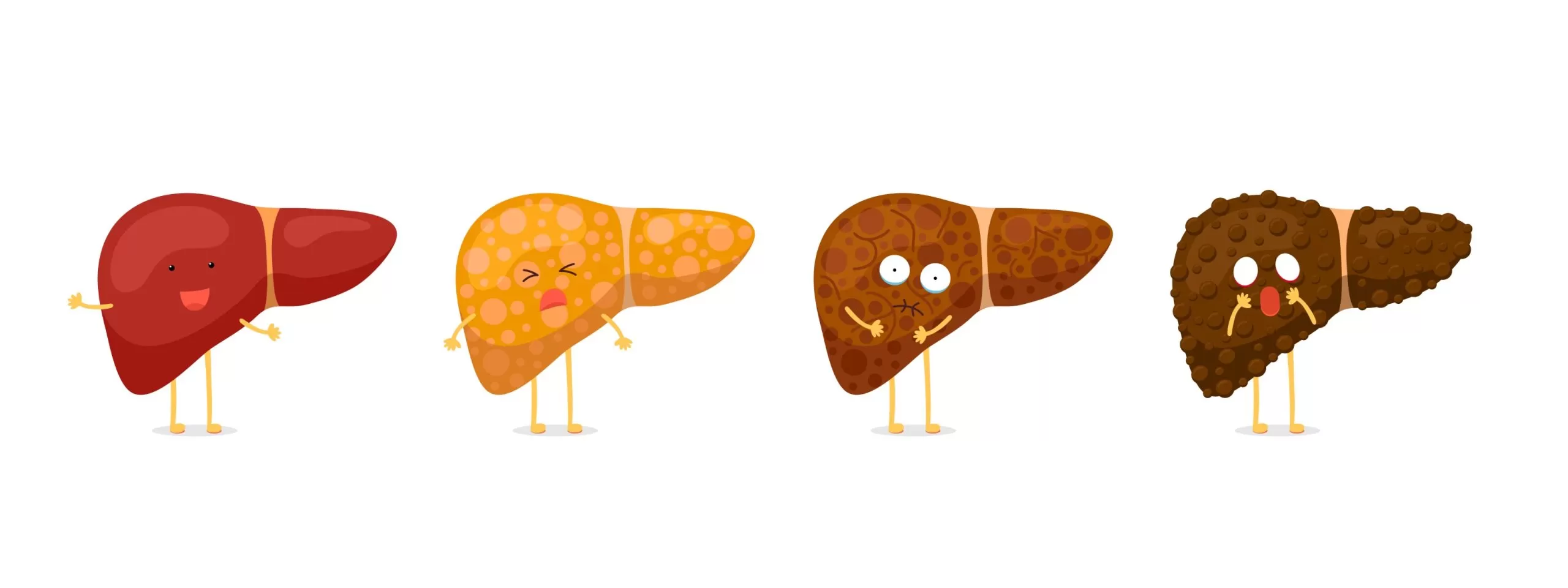
Fatty liver disease (hepatic steatosis) is a condition in which excess fat accumulates in liver cells. It is closely associated with being overweight and having high blood fat or blood sugar levels. In the early stages, fatty liver disease often produces no noticeable symptoms – making it easy to overlook until significant damage has already occurred.
If left unmanaged, fatty liver disease can progress to fibrosis – the buildup of scar tissue formed as the liver attempts to repair itself. When fibrosis accumulates in large amounts, it leads to cirrhosis, a serious condition in which healthy liver tissue is permanently replaced by scar tissue. Fatty liver disease also increases the risk of developing liver cancer.
What causes fatty liver disease?
Alcohol-related cause:
Excessive and prolonged alcohol consumption is a direct cause of fat accumulation in the liver, leading to alcohol-related fatty liver disease.
Non-alcohol-related causes:
- Obesity – a high BMI significantly raises the risk of fatty liver disease
- Type 2 diabetes – insulin resistance is closely linked to fat accumulation in the liver
- High blood fat levels – elevated triglycerides or LDL cholesterol
- High blood pressure – blood pressure above normal range
- High-energy diet – regular consumption of food high in fat and sugar
Symptoms of fatty liver disease
In the early stages, most patients have no clear symptoms. As the condition progresses, symptoms may include:
- Fatigue and weakness
- Discomfort or a feeling of fullness in the upper right abdomen
- Enlarged liver (detected by a doctor during examination)
If fatty liver disease advances to cirrhosis, more severe symptoms can develop, including jaundice (yellowing of the skin and eyes) and ascites (fluid accumulation in the abdomen).
When should you see a doctor?
Anyone diagnosed with fatty liver disease should have the severity of their condition assessed – including measurement of liver fibrosis – even if no symptoms are present. Most cases are initially identified through imaging, typically ultrasound to detect fat accumulation in the liver, combined with liver enzyme blood tests to check for inflammation.
Further investigations a doctor may recommend:
Blood tests:
- Liver function tests
- Hepatitis B and C screening
- Tests for associated conditions including blood sugar, HbA1c, and blood lipid levels
Fibrosis assessment:
FibroScan (Transient Elastography) is currently the preferred method for assessing liver fibrosis. It measures liver elasticity and translates this into an estimate of fibrosis levels. The procedure is easy, fast, and completely painless – a probe is placed against the skin and sends sound waves toward the liver to measure stiffness.
Liver biopsy:
Less commonly used today due to the availability of non-invasive alternatives. However, in cases where the cause of liver inflammation cannot be clearly determined, a liver biopsy may be considered to obtain tissue for laboratory analysis.
Treatment of fatty liver disease
There is currently no approved medication specifically for treating fatty liver disease. Management focuses on lifestyle modification and controlling underlying risk factors:
- Gradual weight loss – losing weight steadily can reduce fat accumulation in the liver and decrease inflammation
- Regular exercise – physical activity improves metabolism and helps reduce liver fat
- Healthy diet – avoid foods high in fat and sugar; emphasise vegetables, fruit, and whole grains
- Managing underlying conditions – control diabetes, hypertension, and high blood lipids appropriately
- Avoid alcohol – to prevent further liver damage
Prevention
- Maintain a healthy body weight to prevent fat accumulation in the liver
- Exercise regularly to support metabolism and reduce stored fat
- Eat a balanced diet, reducing high-fat and high-sugar foods
- Avoid alcohol to lower the risk of fatty liver disease
- Undergo annual health check-ups to monitor liver health and detect fatty liver disease early
Lifestyle modification and appropriate health management are the most important keys to both preventing and treating fatty liver disease.
Frequently Asked Questions About Fatty Liver Disease
What is fatty liver disease?
Fatty liver disease is a condition in which excess fat builds up in liver cells. It is associated with being overweight, having high blood fat or blood sugar levels, and excessive alcohol consumption. It often has no symptoms in the early stages, which is why regular screening is important.
Is fatty liver disease serious?
It can be, if left unmanaged. Without treatment or lifestyle changes, fatty liver disease can progress to fibrosis, then cirrhosis — a severe and irreversible condition – and increases the risk of liver cancer. However, when detected early, fatty liver disease is manageable and in many cases reversible through lifestyle changes.
What is the difference between fatty liver disease and cirrhosis?
Fatty liver disease is the accumulation of excess fat in liver cells – an early and often reversible stage. If inflammation and fibrosis develop and are left untreated over time, the liver eventually reaches cirrhosis – a stage where healthy tissue has been replaced by permanent scar tissue, significantly impairing liver function.
Can fatty liver disease be reversed?
In many cases, yes – particularly in the early stages. Gradual weight loss, regular exercise, a healthy diet, and controlling underlying conditions such as diabetes and high blood pressure can reduce fat accumulation and inflammation in the liver. However, once cirrhosis has developed, it cannot be reversed.
How is fatty liver disease diagnosed?
Diagnosis typically involves ultrasound imaging to detect fat in the liver, combined with liver enzyme blood tests to check for inflammation. FibroScan may also be used to assess the degree of fibrosis. In some cases, a liver biopsy may be performed.
What is FibroScan and why is it used for fatty liver disease?
FibroScan is a non-invasive technology that measures liver stiffness to assess the level of fibrosis – scar tissue buildup – in the liver. It is fast, painless, and provides immediate results. For patients with fatty liver disease, FibroScan helps determine how far the condition has progressed and whether fibrosis or early cirrhosis is present, without the need for a liver biopsy.
Does fatty liver disease cause pain?
In the early stages, fatty liver disease usually causes no pain. Some patients may notice mild discomfort or a feeling of fullness in the upper right abdomen as the condition develops. Significant pain or other serious symptoms are more likely to appear in advanced stages such as cirrhosis.

Who is at risk of fatty liver disease?
Risk factors include obesity, type 2 diabetes, high triglycerides or LDL cholesterol, high blood pressure, a diet high in fat and sugar, and excessive alcohol consumption. People with one or more of these conditions should be monitored regularly for fatty liver disease.
Can I have fatty liver disease without drinking alcohol?
Yes. Non-alcoholic fatty liver disease (NAFLD) is caused by factors unrelated to alcohol, including obesity, insulin resistance, high blood lipids, and a high-energy diet. It is increasingly common and can progress to serious liver disease even in people who do not drink.
How can I prevent fatty liver disease?
The most effective preventive measures are maintaining a healthy body weight, exercising regularly, eating a balanced low-fat and low-sugar diet, avoiding alcohol, and attending annual health check-ups. Early detection through routine screening gives the best chance of managing the condition before it progresses.
For appointments or consultations, please contact Bangkok Hospital Pattaya’s Gastrointestinal and Liver Center through any of our available channels. Tel. 0 3825 9999