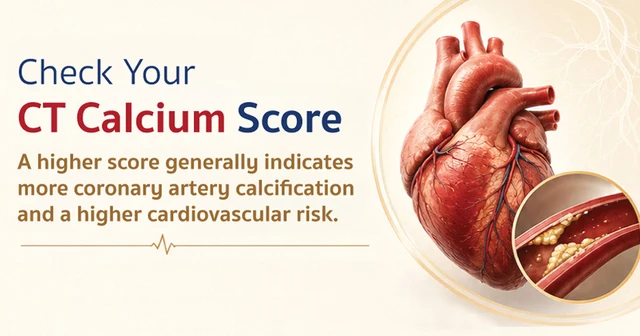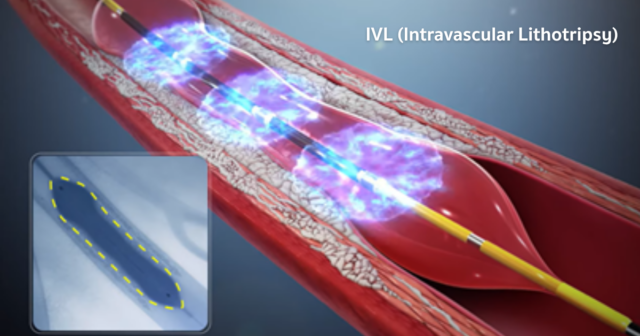



High blood cholesterol is a starting point for several serious diseases. Understanding what it is, what causes it, and how to manage it can make a significant difference to your long-term health.
What is high blood cholesterol?
Hyperlipidemia is a condition where unhealthy fats circulate in the bloodstream at levels that are too high. It is most commonly identified by elevated cholesterol and triglyceride levels on a blood test. Some people have only one type elevated; others have both.
What are the three types of blood fat?
Blood fats are carried through the bloodstream attached to proteins called lipoproteins. There are three main types:
- LDL (Low-density lipoprotein) — “bad” cholesterol: High LDL causes fatty deposits to build up along artery walls, leading to narrowing and blockage.
- HDL (High-density lipoprotein) — “good” cholesterol: HDL collects excess fat from the arteries and transports it to the liver for removal. Higher levels are better.
- Triglycerides: Elevated triglycerides increase the risk of plaque formation inside arteries.
For good health, total cholesterol should not exceed 200 mg/dL.

What are the three types of blood fat?
Blood fats are carried through the bloodstream attached to proteins called lipoproteins. There are three main types:
- LDL (Low-density lipoprotein) — “bad” cholesterol: High LDL causes fatty deposits to build up along artery walls, leading to narrowing and blockage.
- HDL (High-density lipoprotein) — “good” cholesterol: HDL collects excess fat from the arteries and transports it to the liver for removal. Higher levels are better.
- Triglycerides: Elevated triglycerides increase the risk of plaque formation inside arteries.
For good health, total cholesterol should not exceed 200 mg/dL.
What causes high blood cholesterol?
Lifestyle factors:
- Smoking or exposure to secondhand smoke
- Physical inactivity
- Excessive alcohol consumption
- Eating foods high in saturated fat — fatty meats, lard, chicken skin, processed meats (sausage, bacon, ham), palm oil, coconut oil, butter-based baked goods, ice cream, bubble tea, iced coffee, and fried foods
- Eating foods high in trans fat — margarine, shortening, donuts, cookies, pies, fast food such as fries and burgers, and packaged snacks
Medical conditions and other causes:
- Polycystic ovary syndrome (PCOS)
- Overweight or obesity
- Kidney disease
- Diabetes
- Liver disease
- Side effects of certain medications — contraceptive pills, diuretics, steroids
Does high cholesterol cause symptoms?
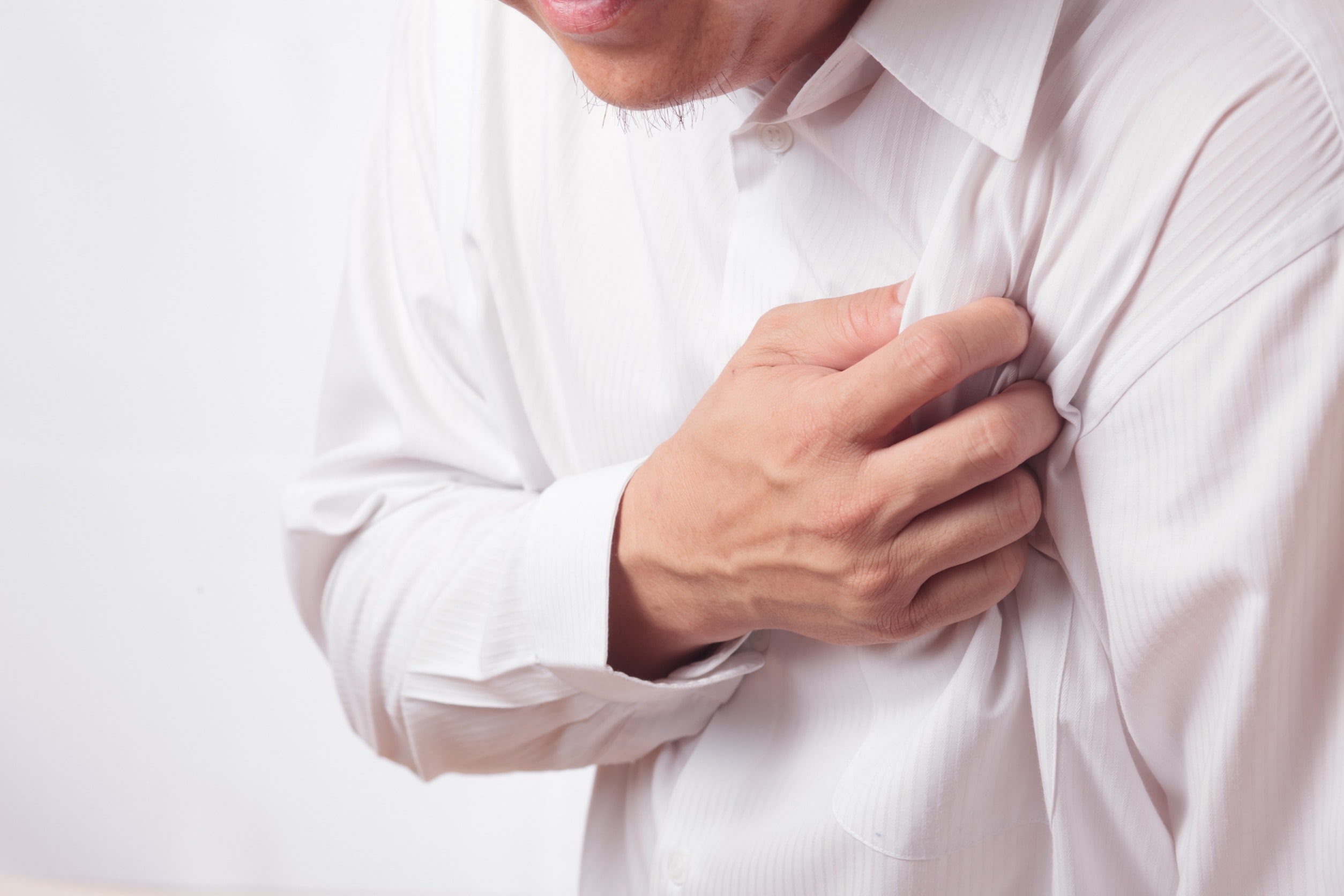
Usually not. High blood cholesterol has no obvious symptoms in the early stages, making it easy to overlook. Over time, fat accumulates along artery walls, restricting blood flow and potentially causing high blood pressure, frequent headaches, or dizziness. In advanced cases, it may manifest as chest pain or breathlessness — signs of coronary artery disease. The only reliable way to know your cholesterol level is through a blood test (Lipid Profile).
What diseases can high cholesterol lead to?
If left unmanaged, fatty plaque buildup in the arteries can result in:
- Stroke
- Coronary artery disease
- Sudden cardiac arrest
- Heart failure
- Peripheral artery disease
5 ways to lower blood cholesterol and protect your heart
- Eat healthy fats — replace saturated fats with unsaturated fats found in olive oil, avocado, and fatty fish such as salmon and mackerel. These help lower LDL and raise HDL.
- Increase fiber intake — soluble fiber from oats, legumes, apples, and oranges reduces fat absorption in the bloodstream. Leafy vegetables, fruits, and whole grains are excellent daily sources.
- Exercise regularly — at least 30 minutes of moderate cardio such as brisk walking, jogging, or cycling, 5 days per week, boosts HDL and reduces LDL effectively.
- Cut back on saturated fat, trans fat, and sodium — reduce fatty meats, full-fat dairy, processed foods, and fast food. High sodium also raises blood pressure, compounding cardiovascular risk.
- Achieve and maintain a healthy weight — excess body weight raises blood fat levels and strains the heart. A combination of dietary changes and regular exercise is the most sustainable approach to weight management.
How is blood cholesterol tested?
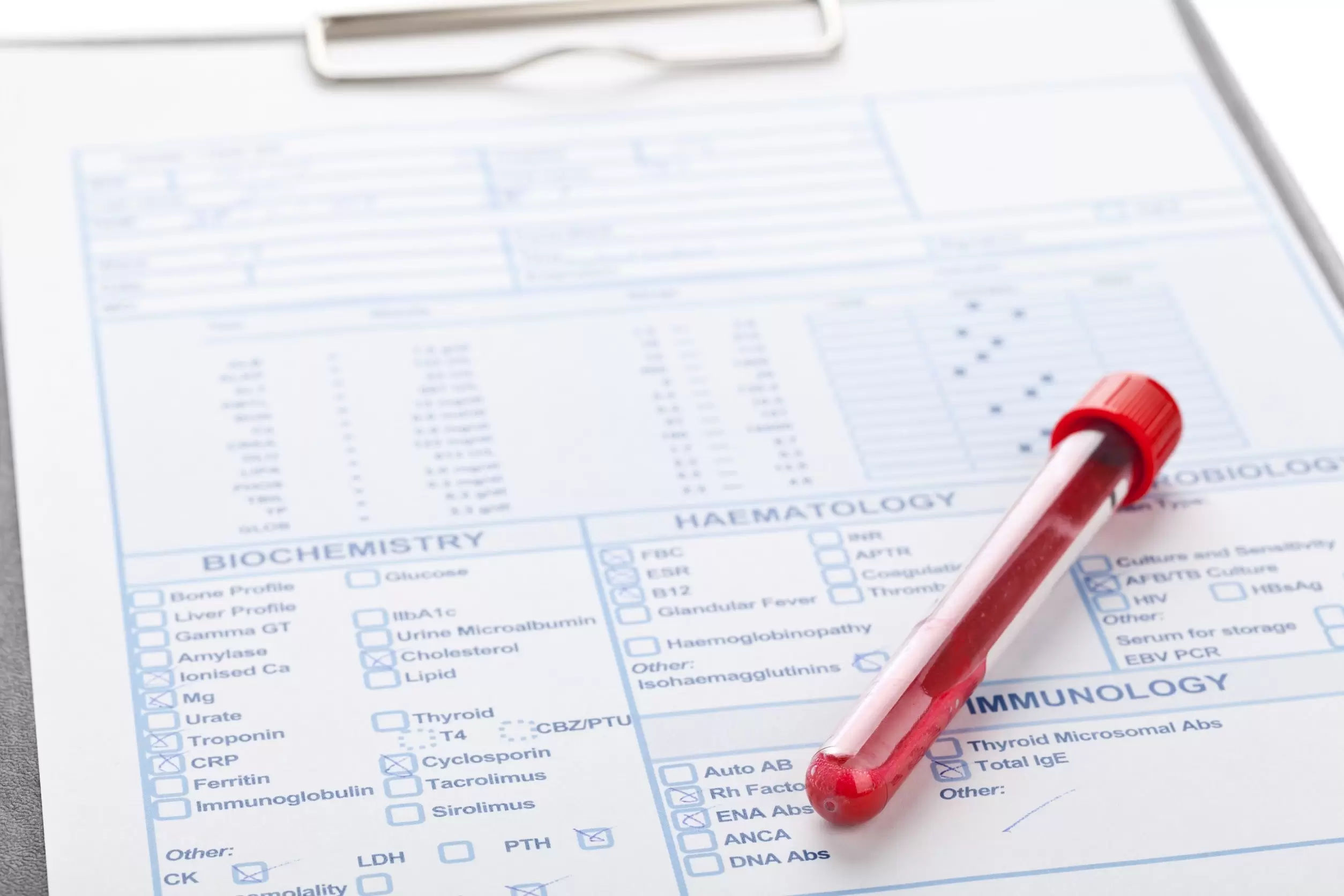
A Lipid Profile blood test measures all three types of blood fat. Most clinics and hospitals offer this test, and it is often included in annual health check-up packages. If results show abnormal levels, your doctor will recommend appropriate treatment and lifestyle adjustments before the condition progresses to serious disease.
For questions or consultations, contact the Heart Center at Bangkok Pattaya Hospital through any available channel.