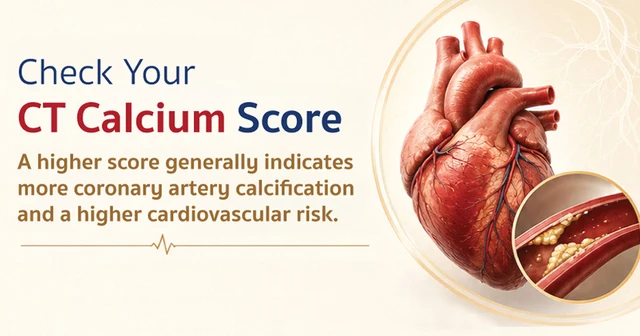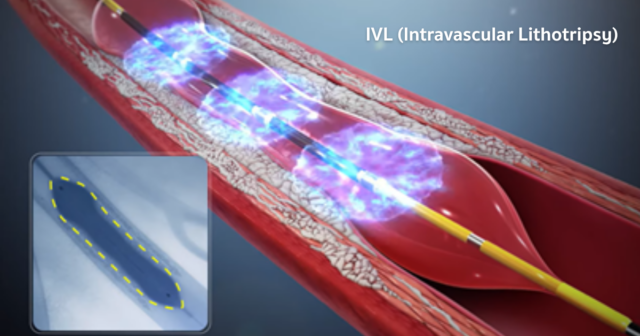

Cardiovascular disease is one of the top three leading causes of death worldwide. Even with advanced treatments such as Percutaneous Coronary Intervention (PCI) or Coronary Bypass Surgery, these procedures do not cure the disease permanently — patients can and do relapse. This is why lifestyle change is not optional; it is essential.
What are the warning signs of heart disease?
Seek medical attention if you experience any of the following:
- Chest tightness or pressure
- Pain radiating to the jaw, neck, arms, or back — especially alongside chest pain
- A heavy feeling in the upper abdomen
- Shortness of breath
- Unusual or unexplained fatigue
- Dizziness or fainting
- Difficulty breathing when lying flat
- Swelling in both legs and ankles
- Palpitations or irregular heartbeat
- Cold or bluish hands and feet
10 habits for a stronger heart
- Exercise regularly – aim for at least 30–60 minutes of cardio (brisk walking, swimming, or cycling) on 5 or more days per week.
- Manage your weight – keep your BMI within the normal range (18.5–24.9 kg/m²). Obesity is linked to earlier onset of heart disease and a shorter lifespan.
- Avoid smoking and recreational drugs – smoking is one of the most significant risk factors for arterial blockage and cardiovascular death.
- Eat more vegetables and fruit – these help lower LDL (bad) cholesterol, regulate blood pressure, and provide antioxidants that reduce internal inflammation.
- Reduce stress – practice meditation or calming activities to prevent chronic stress from accumulating.
- Limit or avoid alcohol – excessive alcohol consumption significantly raises the risk of cardiovascular death.
- Prioritize quality sleep – watch for signs of sleep apnea such as snoring, choking during sleep, or breathing pauses, and seek treatment if present.
- Minimize exposure to environmental pollution – both air pollution (including PM2.5) and noise pollution increase cardiovascular risk.
- Get vaccinated – certain vaccines, particularly the influenza vaccine, have been shown to reduce the risk of acute myocardial ischemia, especially in older adults and existing heart patients.
- Manage underlying conditions and take medications consistently – keeping blood pressure, blood lipids, and blood sugar within target ranges, and adhering to prescribed medications, helps slow the progression of coronary artery disease.
Good heart health starts with you. Following these steps reduces the risk of complications and improves long-term quality of life. Start today – your future self will thank you.