




What is an allergy?
An allergy occurs when the immune system overreacts to a substance that enters the body through breathing, touch, or ingestion. The body mistakenly identifies the substance as a threat, triggering symptoms such as sneezing, itchy eyes, itchy nose, runny nose, skin reactions, asthma, or in severe cases, anaphylaxis.
How are allergies diagnosed?
Diagnosis begins with a detailed medical history and physical examination. When the specific allergen cannot be identified through history alone, allergy testing is recommended. The main options are:
- Skin testing is the most widely used method. It is minimally uncomfortable, safe, and produces rapid results. Techniques include skin prick testing, intradermal injection, and patch testing.
- Blood testing is a safe alternative for patients who cannot undergo skin testing, or who are taking medications that interfere with skin test results. Results take longer to obtain.
- Allergen challenge testing is the most definitive method for confirming an allergy, but must be performed with caution under close medical supervision.
Skin Prick Test
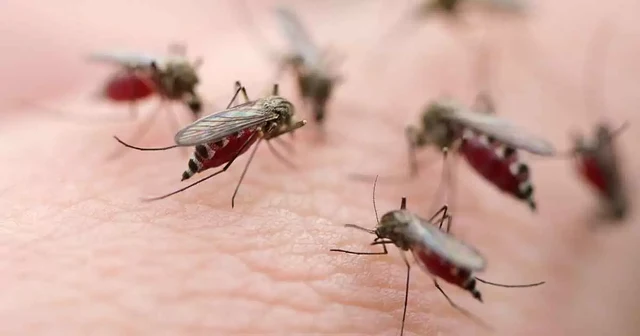
The skin prick test (SPT) simulates an immediate allergic reaction in a controlled setting. It is convenient, accurate, fast, safe, and cost-effective. A small drop of allergen solution is applied to the forearm or back, and a lancet is used to lightly prick the skin so the solution can enter. A raised, red welt resembling a mosquito bite indicates a positive reaction.
Benefits of the skin prick test:
- Confirms the diagnosis and identifies the specific allergen, in combination with history and examination
- Enables allergen avoidance to prevent future reactions
- Guides treatment planning and allergy immunotherapy (vaccine) selection
- Supports epidemiological research on allergen prevalence in specific populations
What allergen panels does Bangkok Hospital Pattaya offer?
- Airborne allergens — substances found suspended in the air or in the environment, including grass pollen, tree pollen, dog and cat dander, dust mites, mould, and cockroach.
- Food allergens — common dietary allergens including soy, peanuts, egg, milk, wheat, rice, corn, mushroom, chicken, pork, beef, fish, shellfish, shrimp, crab, cocoa, and orange.
Who is suitable for skin prick testing?
- Patients with allergies or a family history of allergic conditions
- Those with asthma or wheezing
- Those with allergic dermatitis (eczema)
- Those with acute food allergy reactions or other conditions involving immediate-type hypersensitivity
The test is suitable for patients of all sexes, ages, and ethnicities without contraindications. Note that sensitivity may be reduced in older adults or in those taking certain medications.
Who should not undergo skin prick testing?
- Patients with widespread skin inflammation or dermatographism (skin that marks easily)
- Patients unable to cooperate with the procedure
- Those who cannot discontinue antihistamines or other interfering medications
- Patients with severe or uncontrolled asthma
- Pregnant women
- Patients at risk of severe anaphylaxis during the test
- Patients with underlying conditions or medications that impair the management of severe allergic reactions
In these cases, a blood test for allergen-specific IgE may be recommended instead.
How to prepare
Consult your doctor before testing. General preparation includes:
- Stop antihistamines, decongestants, antipruritic medications, cough suppressants, anxiolytics, and sleep aids at least one week before the test
- On the day of testing, do not apply creams or lotions to the forearms or back
- Inform your doctor if you have been using topical corticosteroids or immunosuppressants long-term, as these can affect results
- Disclose any underlying conditions — particularly asthma and heart disease — and provide a list of all current medications, especially cardiac and antihypertensive drugs
- Normal food and other medications may be taken as usual; fasting is not required
What to expect during the test
The procedure is performed by the Bangkok Hospital Pattaya medical team as follows:
- The test site — usually the inner forearm or back — is cleaned
- The skin is marked with a pen to label each allergen
- A small drop (approximately 0.1 ml) of each allergen solution is applied
- A lancet is used to lightly prick through the outer skin layer so the solution can penetrate
- Results are read after 15–20 minutes; a raised, red welt indicates sensitivity to that allergen
- The skin is cleaned and the doctor reviews results with the patient
Patient safety during testing
The medical team takes the following safety measures:
- Verifying expiry dates of all allergen solutions prior to testing
- Having emergency equipment and a crash cart on standby
- Taking a full medical history and medication review before starting
- Confirming antihistamine cessation; if uncertain, a histamine-only control test is performed first
- Explaining the procedure fully and obtaining written informed consent
Patients wait in the treatment room for 15 minutes after testing under observation. If any of the following occur during the waiting period, notify the medical team immediately:
- Widespread itchy hives
- Itching on the palms or soles
- Chest tightness or difficulty breathing
After results are read, any pen marks are cleaned off, a mild anti-inflammatory cream is applied, and the doctor provides a full explanation of findings.