


The da Vinci Xi Robot-Assisted System for Lung and Thymus Cancer Surgery
Enhances minimally invasive thoracic surgery by providing greater precision and improved access to complex anatomical areas. It also helps surgeons preserve important nerves and surrounding tissues while supporting a faster recovery after surgery.
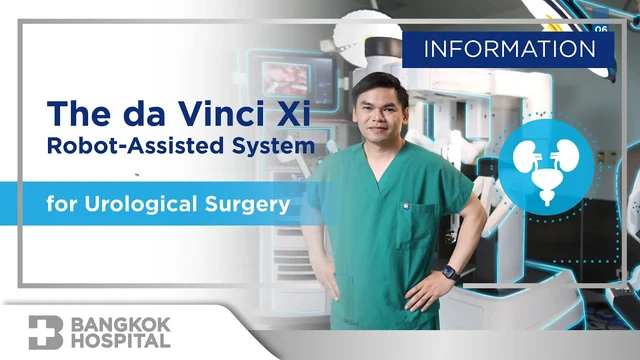
The da Vinci Xi Robot-Assisted System for Prostate and Kidney Cancer Surgery
Represents an advanced approach to urological surgery, particularly for the treatment of prostate cancer and kidney cancer. These procedures require exceptional precision to remove cancer while preserving surrounding structures that are important for postoperative function and recovery.

What is the da Vinci Xi surgical robot, and who is it suitable for?
Whatever your lifestyle, don't let health problems interrupt the way you live. The da Vinci Xi Robot-Assisted Surgery is a minimally invasive surgical technology designed to enhance surgical precision while providing better access to complex anatomical areas. It helps reduce tissue trauma, minimize blood loss, and support a faster recovery, allowing patients to return to their daily lives with confidence.

Translated by AI
What is egg freezing before chemotherapy and radiation? An option to increase the chance of having children in cancer patients
Cancer treatment with chemotherapy and radiation therapy may affect the number and quality of eggs. Egg retrieval or egg freezing before cancer treatment is therefore an option for fertility preservation. Learn about the steps, the evaluation tests, and the factors that affect the chances of pregnancy.

What Is a Penile Implant? A Treatment Option for Erectile Dysfunction When Medication No Longer Works
A penile implant is an option for men with erectile dysfunction when other treatments have not worked. Learn the types of penile implant, the surgical steps, benefits, risks, and aftercare.
Translated by AI
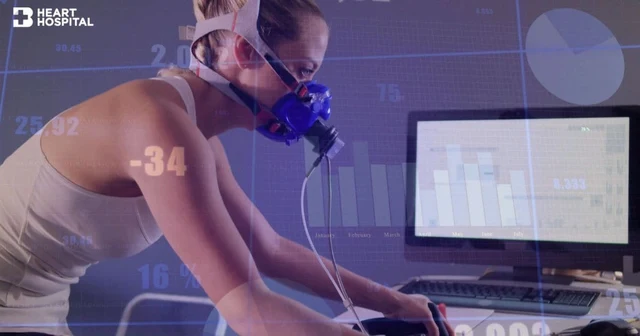
What is a Cardiopulmonary Exercise Test (CPET)? Measuring fitness and cardiopulmonary capacity before exercising
Get to know CPET, a cardiopulmonary exercise test that evaluates heart and lung performance during exercise. It helps assess VO₂ Max, oxygen utilization, fitness, and the body’s response, so the information can be used to plan an exercise program that is appropriate for each individual.
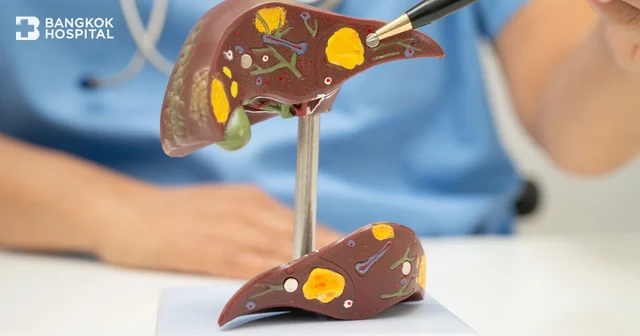
What Is Liver Tumor? Essential Guide to Liver Masses and Treatment
A comprehensive guide for patients on hepatic growths, covering liver tumor causes, treatments, and advanced care options for a healthier future.
Translated by AI
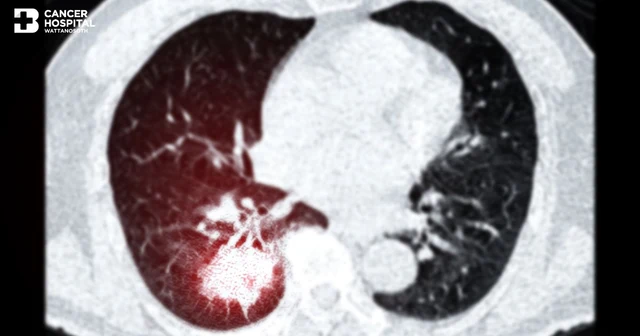
Low-Dose Chest CT Scan (LDCT) Lung cancer screening with low-dose chest X-ray
Lung cancer screening with a Low-Dose Chest CT Scan (LDCT) helps detect small spots or nodules in the lungs from an early stage while there are still no symptoms, increases the chance of complete cure, and effectively reduces the mortality rate from lung cancer.
Translated by AI
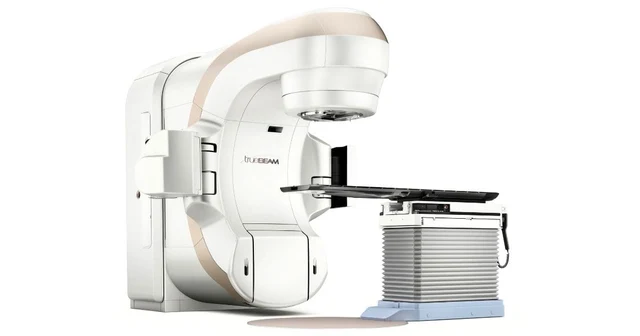
What is TrueBeam, a radiation therapy machine for cancer? How does it work? Treatment methods and advantages
Get to know TrueBeam, a cancer radiotherapy machine that supports VMAT, SRS, and SBRT techniques, featuring IGRT image-guidance and respiratory motion management. Learn about the treatment process, advantages, and possible side effects.

Exercise After Inguinal Hernia Repair with Mesh, Recovery Time and Tips
Read the guide for exercise after inguinal hernia repair with mesh. Learn the optimal recovery time, a weekly timeline, and safe tips from Bangkok Hospital.

Key Differences Between Ovarian Cysts vs. Fibroids
Ovarian cysts vs. fibroids. Learn the key differences between an ovarian cyst vs fibroid. Understand symptoms, causes, and treatment options.

Translated by AI
Check your hormones before a HYROX competition—top them up to stay balanced and be careful not to let them drop too low.
Preparing for a HYROX competition is not only about strength and endurance training; you should also pay attention to hormonal balance. Learn about the important hormones, what tests to do, who should get tested, and how to prepare your body to be ready and safe before competing.