


Heart disease is one of the leading causes of death among Thai people—especially ischemic heart disease, heart attack, and heart failure, which are commonly found. Understanding the differences helps you manage treatment appropriately.
1) What are the differences between ischemia, heart attack, and heart failure?
- Ischemia (Ischemia) is a condition in which the heart muscle receives blood and oxygen in an amount that is not balanced with the heart muscle’s demand. It often occurs in people who already have coronary artery narrowing and then exert themselves or exercise too intensely, leading to chest tightness. It is like an engine that is still running but starts to sputter or shows warning signs that the fuel or electricity supplying the engine is becoming insufficient.
- Heart attack (Heart Attack) is often caused by an acute coronary artery blockage, resulting in a sudden lack of blood supply to the heart muscle. This can cause severe chest tightness, fainting, or death. It is an emergency that requires immediate transport to the hospital. It is like an engine that suddenly seizes, with or without any prior warning signs.
- Heart failure (Heart Failure) is a condition in which the heart muscle cannot pump enough blood to supply various parts of the body and / or cannot receive blood returning to the heart normally, causing a variety of symptoms such as easy fatigue tiredness, leg swelling, etc. It is like an engine that has deteriorated—its performance is no longer the same.
2) How is the cause of ischemia related to coronary artery narrowing?
Most cases of ischemia are mainly caused by coronary artery disease (narrowing of the coronary arteries) because as age increases, plaque or fat deposits (Plaque) may build up on the inner wall of the coronary arteries, gradually narrowing the vessel lumen. When the body is under heavy strain—such as overly intense exercise or stress—blood flowing through the narrowed vessels cannot supply the heart muscle in time, leading to chest pain/tightness from myocardial ischemia.

3) Warning signs of heart disease that people often overlook
Many people think they must have chest pain/tightness to be at risk of heart disease and to see a doctor. In reality, simply having abnormal easy fatigue—such as previously being able to climb stairs but now feeling short of breath—indigestion-like tightness under the pit of the stomach, sweating more than usual, or in some cases pain radiating to the jaw, left shoulder, or left arm, may indicate that you have heart disease.
4) Why is a heart attack acutely dangerous?
A heart attack is like an accident where an oil pipeline ruptures and becomes completely blocked: plaque on the vessel wall breaks open (Plaque Rupture) and the body quickly sends platelets to repair it, forming a large clot that blocks the entire vessel. When the vessel is blocked, blood cannot flow to nourish the heart muscle. The heart muscle in that area begins to die within minutes, and electrical “short circuits” may occur, causing severe arrhythmias and sudden death.
5) The earlier ischemia is detected, the more it helps prevent a heart attack
Heart health screening is extremely important. If ischemia is detected while the coronary arteries are not yet completely blocked, a cardiologist will prescribe antiplatelet medication and lipid-lowering drugs to prevent further narrowing and to prevent plaque rupture. If indicated, balloon angioplasty (Angioplasty) is like cleaning the pipe and widening it before blockage occurs and leads to a heart attack. Therefore, early detection helps prevent a heart attack in the future.
6) Does heart failure mean the heart stops beating?
Heart failure is not cardiac arrest (Cardiac Arrest) , but heart failure (Heart Failure) is a condition in which the heart becomes weakened and cannot pump enough blood and oxygen to supply various parts of the body, and cannot pump waste blood from different organs back to the heart. It is like a car whose engine is starting to deteriorate—performance is decreasing; it still starts, but drives slowly and lacks power when going uphill. Likewise, symptoms include easy fatigue, tiredness, and lack of energy even during normal daily activities. Or it is like having a full tank of fuel but the engine cannot use it—like swelling in the legs, or being unable to lie flat due to fluid in the lungs. If not treated promptly, it can also be life-threatening.
7) Do people who have had a heart attack have a chance of heart failure in the future?
People who have had a heart attack have a high chance of developing heart failure in the future because part of the heart muscle has already died from ischemia, causing that area to shrink into scar tissue and no longer contract as before. The remaining heart muscle must work harder to compensate. Over time, the overworked heart gradually weakens and can develop heart failure. Therefore, after a heart attack, patients need to take medications and care for themselves strictly as instructed by the doctor to keep the heart muscle strong in the long term.

8) If you have never had a heart attack or ischemia, can you still develop heart failure?
Even without a history of heart attack or ischemia, heart failure can still occur due to many causes such as:
- High blood pressure When blood pressure is high, the heart muscle must work harder to pump blood to supply various parts of the body. Blood pressure is like the weight on exercise equipment—the heavier the weight, the more force is required, and the more easily we get tired. With high blood pressure, the heart muscle works harder and becomes more fatigued.
- Obesity or overweight When the body becomes heavier and larger, the heart muscle must work harder to pump blood to supply the body adequately. This condition also leads to fat accumulation around the heart, resulting in inflammation and making scar tissue in the heart more likely than in normal people.
- Heart valve disease Both valve regurgitation and valve stenosis cause the heart to work harder, though through different mechanisms. If the heart is compared to a dam that stores water, valve stenosis is like a gate that blocks the water from flowing out to the areas that need it, while valve regurgitation is like a leaking dam that cannot retain water. Both conditions make the heart muscle work much harder to pump and to draw blood back, which can weaken the heart muscle and lead to heart failure.
- Risk behaviors Heavy alcohol consumption or infection with certain viruses that directly damage the heart muscle can also cause deterioration of the heart muscle and lead to heart failure.
9) Early-stage heart failure symptoms for which you should see a doctor
The main symptoms are swelling, shortness of breath, and inability to lie flat because the heart lacks pumping power and suction force, and the body’s fluid management system begins to malfunction, including:
- Waking up gasping at night After falling asleep, you suddenly wake up and have to sit up gasping because fluid begins to flood into the lungs and the heart cannot pump it back in time. This is often one of the first symptoms of acute heart failure.
- Shortness of breath when lying flat You need to prop up with several pillows to breathe out because fluid has accumulated in the lung tissue and the pleura. This is often seen after waking up gasping at night, or it can be one of the first symptoms in chronic heart failure.
- Swollen feet or legs Pressing leaves a pit that does not immediately rebound. This is a sign that fluid has started to accumulate in the body’s tissues and the heart can no longer pump the fluid back.
10) Current technology that helps treat emergency heart attacks
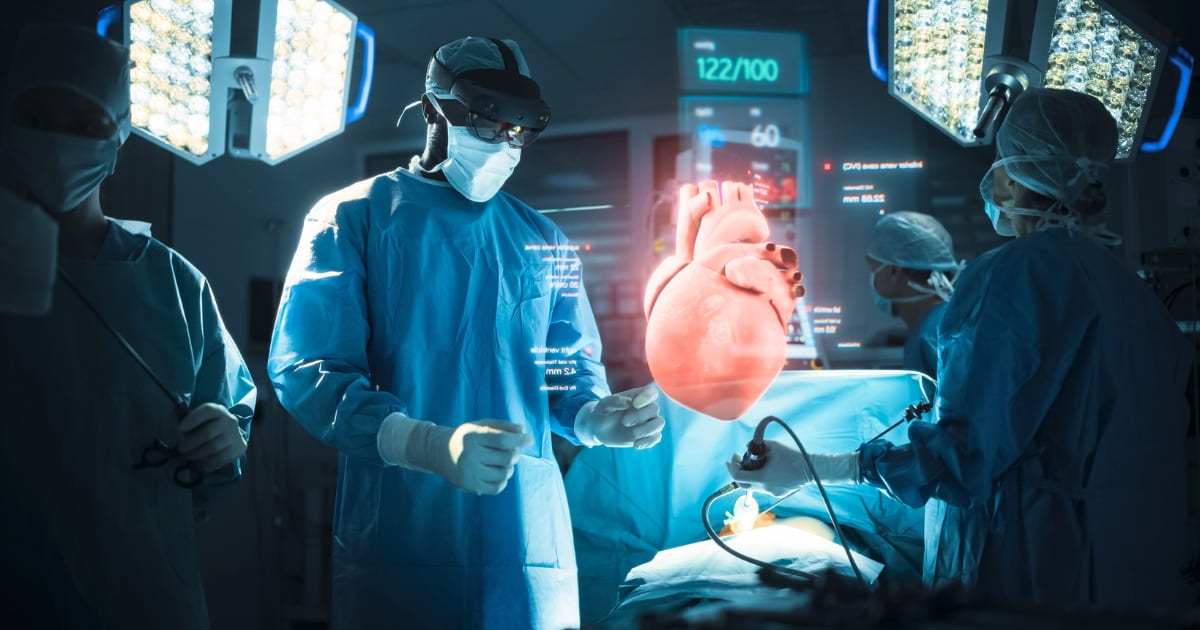
Today, there are more technological options to help treat emergency heart attacks, depending on the cardiologist, including:
- Catheter-based coronary intervention (Per Cutaneous Intervention) inserting a small catheter through the wrist or groin, through the blood vessels to the coronary arteries, to dissolve the clot and immediately place a stent (Stent) .
- Heart and lung support machine such as Extracorporeal Membrane Oxygenation (ECMO) . This machine functions like temporary lungs and heart to support other organs during an acute heart attack while waiting for the medical team to provide treatment and restore the damage to the heart first.
- Mechanical circulatory support device such as IMPELLA , which pumps blood into the aorta
(Aorta) , helping circulation quickly return to efficiency and reducing the severity of shock from acute myocardial ischemia, acute heart failure, and chronic heart failure.
Why choose to treat heart disease at Bangkok Heart Hospital
- The first private cardiac hospital in Thailand, ranked as “one of the best specialized hospitals for the treatment and surgery of heart disease in the Asia-Pacific region in 2025” by rankings from Newsweek and Statista , a global data company.
- A team of physicians specialized in catheter-based treatment of coronary artery stenosis using advanced CHIP PCI technology, trained and experienced in treating highly complex, calcified coronary artery stenosis cases.
- Modern diagnostic and treatment technology for complex coronary artery disease (Complex PCI) such as FFR/iFR, OCT, IVL, Rotablation Angioplasty, High Pressure Balloon Angioplasty, Orbital Atherectomy
- A modern cardiac catheterization laboratory (Cath Lab) with Imaging in Real – Time for accurate diagnosis and treatment.
- Individualized follow-up and treatment planning with patients Tailored Treatment
- Ready to care for patients with acute myocardial ischemia (Heart Attack) to increase survival rates using critical life-saving cardiac technologies, including heart support devices Impella, intra-aortic balloon pump IABP (Intra – Aortic Balloon Pump), and heart-lung support machine ECMO , delivered by expert cardiologists and an experienced multidisciplinary team, along with advanced medical equipment, so patients can return to a good quality of life.
A hospital specialized in heart disease treatment
Bangkok Heart Hospital has a team of cardiologists skilled in treating heart disease in every dimension. With the expertise and experience of the medical team and advanced medical technology, we are ready to care for all heart problems across all generations with attention and care, so you can return to a good quality of life again.
Physician specialized in heart disease treatment
Dr..Wasupol Manomaiphan Cardiologist Bangkok Heart Hospital
You can click here to make an appointment yourself.