
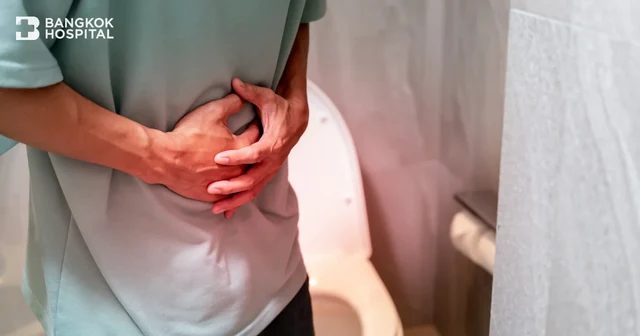

Abnormal urinary symptoms are not uncommon and are often an early sign of an underlying health issue. Many people may have experienced incomplete urination or felt as if they haven’t fully emptied their bladder even shortly after using the restroom. If left untreated, these symptoms may progress into chronic conditions that affect quality of life. Today, we’ll help you understand the root causes of the problem so you can recognize it early and receive appropriate treatment.
Incomplete urination and difficulty urinating: what can cause it?
Incomplete bladder emptying or difficulty passing urine can be caused by many factors, ranging from lifestyle behaviors to conditions specific to the lower urinary tract. Possible causes include:
- Urinary tract infection (UTI): The most common cause. It can lead to inflammation of the bladder or urethra, making patients feel frequent urgency and incomplete urination and often accompanied by burning or pain when urinating.
- Urinary tract stones: Stones lodged in the bladder or urethra can obstruct urine flow, causing incomplete urination and an intermittent or interrupted stream.
- Overactive bladder: The bladder muscle contracts too frequently, making patients feel frequent urination and incomplete emptying with sudden urges that are difficult to control.
- Nervous system disorders: Underlying conditions such as diabetes or neurologic diseases can disrupt bladder control signals, leading to incomplete bladder contraction and incomplete emptying.
- Urethral obstruction: Such as tumors or scar tissue from urethral injury that narrows the passage, causing incomplete urination and requiring more straining than usual.
- Side effects of certain medications: Medications that affect the autonomic nervous system may cause the bladder muscle to relax too much, resulting in incomplete emptying.
A closer look at the causes of incomplete urination in men: what conditions might you be at risk for?
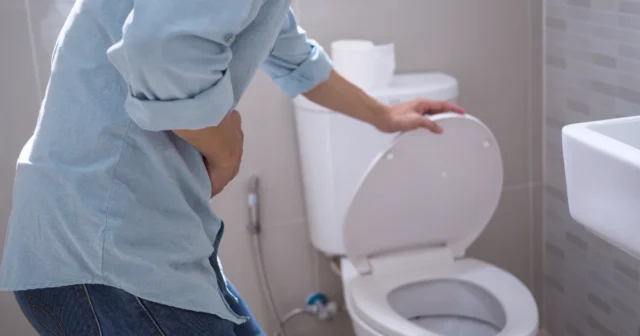
In men, incomplete urination is often linked to male-specific anatomy, especially in adulthood and older age. Common conditions include:
- Benign prostatic hyperplasia (BPH): The number-one cause in men that leads to incomplete urination because an enlarged prostate compresses the urethra, causing a weak, narrow stream that doesn’t project well.
- Prostatitis: Infection or inflammation of the prostate can cause pain during urination and a constant feeling of incomplete urination.
- Prostate cancer: Early stages may not show clear symptoms, but as the tumor grows it may compress the urinary tract, causing frequent urination and incomplete emptying similar to BPH.
- Urethral stricture: Often results from prior injury or infection, leading to scar tissue in the urethra. This can obstruct urine drainage and cause a feeling of incomplete urination
Incomplete urination in women: condition-specific warning signs you shouldn’t ignore
Incomplete urination in women differs from men due to a shorter urethra, which makes it easier for germs to enter the body. Conditions to watch for include:
- Cystitis: Women are at higher risk of bacterial infection, leading to frequent urgency and incomplete urination and often persistent lower abdominal heaviness or discomfort.
- Pelvic organ prolapse (Uterine Prolapse): When the uterus or bladder descends, it may compress the urethra, causing a sensation of incomplete urination and difficulty urinating.
- Menopause: Low estrogen causes the urethral lining to thin and lose elasticity, which can lead to incomplete urination in women. Solutions often involve hormonal adjustment.
- Postpartum changes: Weakened pelvic floor muscles after childbirth may affect urinary control, making patients feel incomplete urination, as if they constantly need to urinate. An effective solution is Kegel exercises.
Medical technology for treating frequent urination and incomplete urination
If abnormal symptoms occur, consulting a urologic surgeon is the most accurate and effective way to treat frequent urination. The doctor will begin with history taking and urinalysis, and may use ultrasound or endoscopy to identify the true cause.
- Treatment ranges from medications to balance bladder contractions to advanced procedures to remove obstructions. Today, medical technology has advanced significantly, enabling treatment of frequent urination and incomplete urination with less invasiveness and clearer outcomes.
Robot-assisted surgery and laser: innovations that reduce incisions and speed recovery
At the Urinary Tract Disease Center, Bangkok Hospital, we use standardized treatment technologies to improve targeted effectiveness based on symptoms, including:
- Robot-assisted Surgery (Robot-assisted Surgery): For complex cases such as prostate cancer or deep urinary tract obstruction. The robot helps surgeons view high-resolution 3 D images and control robotic arms with greater precision than the human hand, helping preserve important nerves, reduce blood loss, and enable faster recovery.
- Laser Therapy (Laser Therapy): Another highly popular solution for frequent urination caused by BPH, because the laser precisely cuts or vaporizes excess tissue obstructing the urethra without external incisions, reduces infection risk, and allows patients to return to normal, smoother urination in a short time.
- Water Vapor Therapy (Water Vapor Therapy): An innovation for men who have incomplete urination due to BPH. Steam energy is used to shrink excess tissue. It is quick and does not affect sexual function.
How to prevent incomplete urination and health care guidance

Behavioral adjustment is key to preventing recurrent incomplete urination and helping the urinary tract function normally over the long term.
- Drink enough water at the right times: Drinking 1.5–2 liters per day is the best solution for frequent urination to dilute urine and flush out bacteria, but you should reduce fluid intake 2 hours before bedtime.
- Avoid irritants: Avoid caffeinated drinks, alcohol, and overly spicy foods, as these can stimulate the bladder to contract more quickly and cause frequent urgency and incomplete urination
- Practice pelvic floor muscle exercises: For incomplete urination in women, a solution with Kegel exercises can strengthen the sphincter and help prevent urinary leakage.
- Maintain basic hygiene: Especially for women, always clean from front to back after using the restroom to prevent bacterial infection from entering the urethra.
- Control weight and underlying diseases: Obesity and diabetes are major risk factors that can cause incomplete urination so keeping blood sugar within a normal range is also necessary.
Having incomplete urination treated at Bangkok Hospital with JCI standards
The Urinary Tract Disease Center, Bangkok Hospital, provides comprehensive diagnostic and treatment services for urinary tract diseases, delivered by a team of expert urologic surgeons. You can be confident in international safety standards JCI and treatment technologies that emphasize precision, accurate targeting, and minimal invasiveness, so you can return to living with confidence again.
- Find a doctor: https://www.bangkokhospital.com/th/bangkok/doctor
- Make an appointment: https://www.bangkokhospital.com/th/bangkok/appointment/step1
- Contact us: https://www.bangkokhospital.com/th/bangkok/contact
Frequently asked questions about incomplete urination
What causes incomplete urination in women accompanied by lower abdominal heaviness?
The most common cause is cystitis due to bacterial infection. Because women have a shorter urethra, germs can enter the body more easily, leading to frequent urgency and incomplete urination and a constant heavy, aching sensation. If symptoms are severe, blood in the urine may also occur. You should see a doctor to receive antibiotics appropriate for the organism.
Why do elderly men often have incomplete urination and a weak, narrow stream?
This is mostly due to benign prostatic hyperplasia (BPH) . As the prostate enlarges, it compresses the urethra running through the center, narrowing the urinary passage. As a result, urine flows less easily, becomes slower, and feels incomplete. Treatment can include medication or modern technologies such as laser or water vapor to reduce prostate size.
If you constantly feel as if you haven’t fully urinated but tests show no infection, what could be the cause?
It may be due to overactive bladder (Overactive Bladder – OAB) in which the bladder muscle contracts abnormally even when there isn’t much urine, making patients feel as if they haven’t fully emptied their bladder and needing to use the restroom more often than usual. It may also be related to stress and issues involving the nervous system that controls urination signals.
What are the advantages of robot-assisted surgery in treating urinary tract diseases?
Robot-assisted surgery allows surgeons to operate with high precision in complex and hard-to-reach areas especially in procedures that must preserve important nerves around the urinary tract. Advantages include reduced blood loss, very small incisions, fewer complications, and faster recovery to normal life compared with open surgery.
Incomplete urination, feeling like you need to urinate all the time: what are effective basic self-care solutions?
Basic solutions for frequent urination and incomplete urination start with behavior changes: drink clean water 8–10 glasses per day to help flush out germs (but reduce intake before bedtime), avoid caffeine and alcohol that stimulate urination, and regularly practice pelvic floor muscle exercises (Kegels) to improve urinary control.