


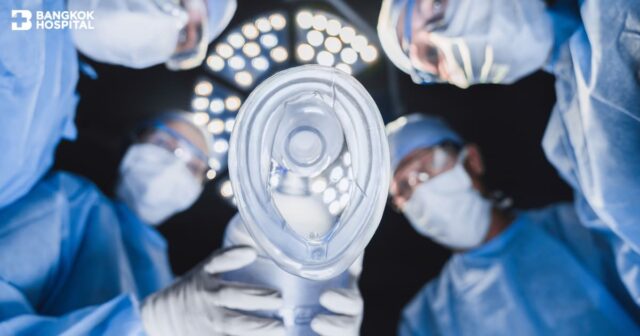

If you need to undergo surgery or a procedure, an anesthesiologist is extremely important because they are the physician who takes care of the patient from before surgery through after surgery or the procedure—whether it is preparing the patient, assessing risks, monitoring and controlling vital signs, relieving pain, and preventing complications—so that the surgery or procedure goes smoothly and safely, and the patient recovers well.
Who is an anesthesiologist?
An anesthesiologist, commonly known as an “anesthesia doctor” , is a specialist physician skilled in anesthesia, administering general anesthesia and local anesthesia, pain management, and monitoring vital signs and the function of major organ systems such as the cardiovascular system and breathing during surgery or procedures. They provide information and advice and prepare patients to be ready before surgery or procedures, including postoperative or post-procedure pain management.
The importance of an anesthesiologist
- Anesthesiologists work closely with surgeons in caring for patients before, during, and after surgery.
- They support the surgeon’s work throughout surgery or procedures.
- They monitor vital signs and care for the cardiovascular system and breathing during surgery or procedures.
- They manage pain so the patient is comfortable, helping recovery after surgery or procedures proceed smoothly.
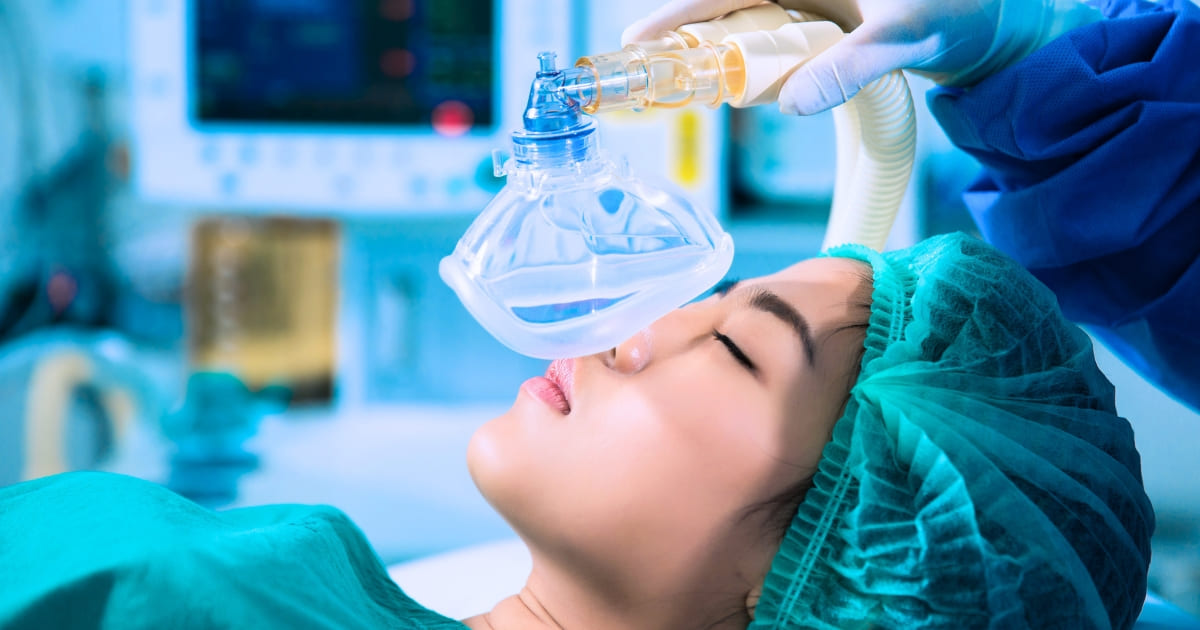
What are the duties of an anesthesiologist?
The main role of an anesthesiologist is divided into 3 key phases: before surgery, during surgery, and after surgery.
- Before surgery (Preoperative phase of surgery: evaluation and preparation)
- Perform a physical examination, take medical history, assess risks, and plan anesthesia with the patient and family.
- Prepare the patient to be ready for anesthesia.
- Explain and provide information about the treatment plan, different anesthesia methods, possible complications, and recommendations to prepare and reduce anxiety for the patient and family.
- During surgery (Intraoperative phase of surgery)
- Provide anesthesia to the patient by administering general anesthesia or local anesthesia, or spinal injection as appropriate for each type of surgery or procedure.
- Monitor vital signs; follow and control heart function, blood pressure, oxygen levels in the blood, temperature, and carbon dioxide levels in the blood to keep them normal.
- If an emergency occurs—for example, heavy bleeding, drug allergy, or unstable vital signs—the anesthesiologist is ready to provide immediate treatment.
- After surgery (Postoperative phase of surgery)
- Provide care, observe, and closely assess the patient until they safely recover from the effects of anesthesia and vital signs are stable.
- Transfer the patient to the recovery room or intensive care unit to continuously monitor vital signs after surgery or procedures.
- Manage postoperative or post-procedure pain effectively using various techniques, such as intravenous pain medication or targeted nerve blocks, to reduce pain after surgery or procedures, allowing the patient to rest well and recover quickly.
After general anesthesia, is it possible to wake up during surgery?
Many patients are worried or afraid that they will wake up during surgery or a procedure. Studies in Thailand and abroad have found that the incidence of intraoperative awareness under general anesthesia is about 1 – 2 cases per 1,000 patients, or 0.1 – 0.2% of patients receiving general anesthesia, because the anesthesiologist closely monitors the depth of anesthesia in the operating room to ensure it is appropriate. In addition, in specific cases—such as certain types of surgery—patients will be informed in advance. However, it may be found in major, complex surgeries that take a long time, or in patients with severe underlying diseases, or when there are limitations that prevent administering anesthesia in normal doses, such as massive blood loss or cardiac arrest.
After general anesthesia, is it possible to never wake up again?
Not waking up again after general anesthesia is a common question, but the chance is low. Data from Thailand and abroad show that the incidence of not awakening after general anesthesia is about 0.5 – 1 in 100,000 cases. This is because during surgery or procedures, the anesthesiologist closely cares for the patient, monitoring and controlling blood pressure, heart rate, breathing, and oxygen levels, as well as carbon dioxide levels in the blood. Normally, after surgery or procedures are completed, the anesthesiologist will increase the level of consciousness until the patient wakes up, is alert, and can breathe well while still in the operating room. However, sometimes some patients may not remember events that occurred during the drowsy period after waking up
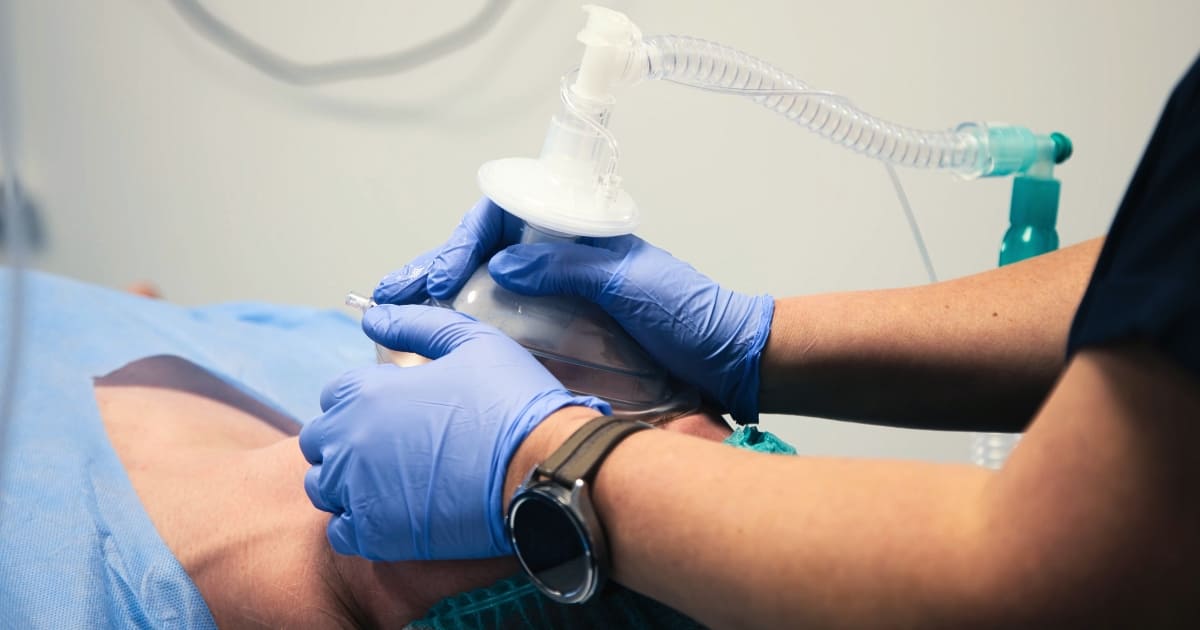
Can an allergy to anesthetic drugs occur, and how dangerous is it?
An anesthetic drug allergy, or Malignant Hyperthermia (MH) , is an inherited disorder. It is a very severe complication and is rare, occurring in only 1 in 200,000 cases receiving general anesthesia. It triggers sustained muscle rigidity without relaxation, rapid heart rate, rapidly rising body temperature, and shock, and can be fatal. Therefore, the patient must be diagnosed and treated as quickly as possible. A ventilator is used, and symptoms and vital signs are monitored until stable.
Why is fasting from food and water before surgery important?
When a patient receives general anesthesia, the swallowing and coughing mechanisms disappear, reducing the ability to prevent aspiration. Therefore, if food or water remains in the stomach, it may reflux into the lungs, causing pneumonia that may be severe or obstruct the airway and become life-threatening. Therefore, before surgery or procedures, patients must strictly refrain from food and water for the specified period for maximum safety during anesthesia. If the patient eats or drinks during the fasting period, they should inform the doctor or nurse immediately for the patient’s safety. For pediatric patients or patients with underlying diseases who need to take medication, the anesthesiologist will advise the appropriate timing for fasting from food and water.
Which hospital is good at surgical treatment?
Surgery Center, Bangkok Hospital is ready to provide diagnosis and surgical treatment for all diseases with a team of specialized expert surgeons, a highly experienced team of anesthesiologists, a multidisciplinary team, and modern equipment and technology to ensure effective surgical treatment so patients can return to a good quality of life again.
Skilled anesthesiologists
- Dr.. Boonyaveer Arunpipatchai Anesthesiologist Bangkok Hospital
- Dr.. Chanyaphak Chumthong Anesthesiologist Bangkok Hospital