


Laughing gas or Nitrous Oxide is a gas used in medicine and must be strictly controlled. However, it is now being misused for entertainment, especially among children and adolescents, causing effects on the brain and nervous system. It may increase the risk of disability or death. Children and adolescents, including parents and guardians, therefore need to be aware of the dangers of laughing gas to the body.
What is laughing gas
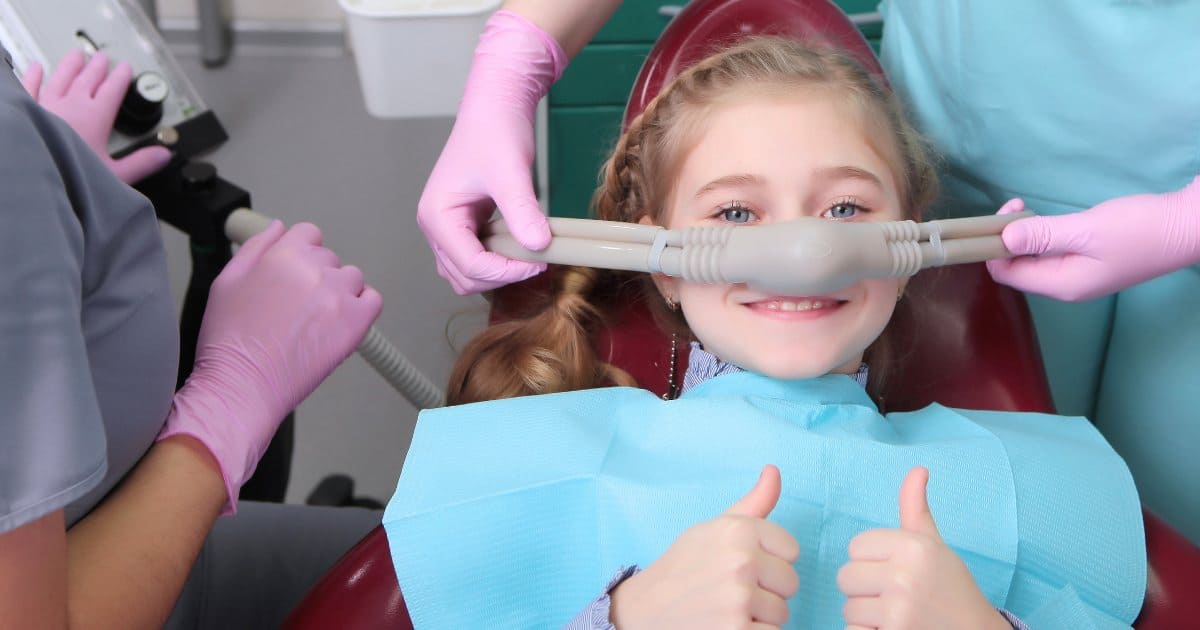
Laughing gas (Nitrous Oxide) is a colorless gas with a slightly sweet smell and is non-flammable. In medicine, it is used as an analgesic before dental procedures and as anesthesia for certain types of surgery because it acts quickly, under a doctor’s supervision and mixed with oxygen in a safe proportion. But when used for entertainment, it is often inhaled from balloons or directly from gas canisters, which is dangerous to the body.
What are the symptoms after inhaling laughing gas
- Dizziness
- Relaxation
- Laughing easily
The effects last only a few minutes, leading to repeated inhalation many times in a row.
Common patterns of laughing gas use
Users of laughing gas often release the gas from a canister into a balloon and then inhale it from the balloon. Putting it into a balloon helps reduce the pressure and coldness directly from the canister, allowing the gas to be kept for multiple inhalations. In children or adolescents who use laughing gas, family members or guardians may find small gas cartridges, small nitrous oxide tanks, and used balloons in the room or around the house.
What are the dangers of laughing gas
- Hypoxia (Hypoxia) If inhaled in large amounts, the body may not receive enough oxygen causing headache, dizziness, nausea, vomiting, arrhythmia, low blood pressure, seizures, and loss of consciousness. If severe, the brain may be deprived of oxygen, leading to death.
- Nervous system damage If inhaled continuously for a long time, it disrupts the function of vitamin B12, causing symptoms similar to vitamin B12 deficiency: numbness in fingers and toes, a pins-and-needles sensation on the skin, muscle weakness, worsening memory, peripheral neuropathy, and in severe cases death. With long-term use, permanent nervous system damage may occur.
- Addiction Laughing gas is associated with changes in the brain’s pleasure system (Brain Reward System) making users crave repeat use and lose self-control. In the long term; some users may begin using other drugs as well.

Treatment approach for laughing gas addiction
- Seek urgent medical consultation to begin addiction treatment.
- If weakness occurs from inhaling laughing gas, vitamin B12 should be given as an intramuscular injection, along with holistic care and physical therapy.
How does laughing gas damage the brain and nervous system in children and adolescents
Laughing gas (Nitrous Oxide) willinterfere with the function of vitamin B12, causing deterioration of the nerve sheath and inefficient nervous system communication. Children may have unsteady gait, muscle weakness, developmental regression, reduced concentration, and mood changes. In those who use it continuously, it may become severe enough to cause neurological disability, with damage that accumulates and progressively worsens.

Does laughing gas affect seizures in children and adolescents
Laughing gas may unknowingly trigger brain abnormalities even though it is not a primary cause of epilepsy. Especially in children at risk of epilepsy, laughing gas may make seizures more likely or cause abnormal brain function, such as weakness and worsened memory. If symptoms occur, see a doctor immediately before brain damage occurs.
Can using laughing gas be so dangerous that it leads to being bedridden or death?
If laughing gas is used in large amounts or inhaled continuously for a long time, it may cause oxygen deprivation, loss of consciousness, or death. The more it is used in enclosed spaces or together with other substances, the more severe it becomes. In addition, people who use laughing gas have been found to be at risk of severe neuropathy to the point of being unable to walk or becoming bedridden.

How can parents and guardians protect children and adolescents from using laughing gas
The best prevention against inhaling laughing gas is not letting children or adolescents start using it in the first place. Parents and guardians should explain the dangers and risks of laughing gas and observe for behavioral changes such as declining school performance, abnormal mood changes, and suspicious equipment. They should also support strong brain health in children or adolescents by providing nutritious food, adequate sleep and rest, and a good environment, because brain development is an important foundation for growth.
Hospitals specializing in pediatric disease care and child health
Pediatric Center, Bangkok Hospital is ready to provide care and treatment for diseases and child health at every age, with a highly experienced team of specialist doctors, modern equipment, and a multidisciplinary team ready to provide close consultation so that your little one can be healthy and strong.
Doctors specializing in pediatric disease care and child health
Dr.Suchawadee Horsuwan Pediatric neurologist and brain specialist Pediatric Center, Bangkok Hospital
You can click here to make an appointment yourself.