


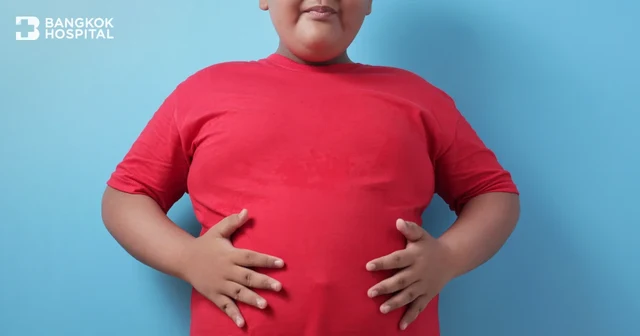

Weight management issues in childhood are something parents should not overlook because childhood obesity not only affects appearance, but is also associated with serious long-term health problems that may persist into adulthood. This article will help you understand the causes, how to recognize childhood obesity, and care approaches based on physicians’ recommendations, so you can appropriately plan behavioral adjustments.
Get to know childhood obesity
At present, we are seeing statistics of obesity in students continuously rising, mostly due to changes in social conditions and lifestyle behaviors.
Childhood obesity does not always mean adorable chubbiness, but rather a condition in which the body accumulates excessive fat beyond normal levels, affecting various body systems such as the respiratory system, bones and joints, and the metabolic system. If left for a long time, it may cause a child to become increasingly overweight and raise the risk of chronic diseases from a young age.
How can you tell whether your child is classified as an overweight child beyond the standard?
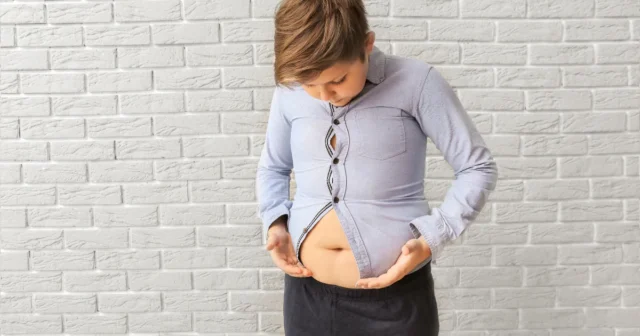
Parents can do an initial check of whether their child falls into the overweight child category beyond the standard using the following criteria.
Assessment using Body Mass Index (BMI) for children
Calculating BMI in children must be compared with standard growth charts by sex and age. If the value is higher than the 95th percentile, it is considered childhood obesity and should be managed by a physician.
Observing physical characteristics and warning signs
In addition to rapidly increasing body weight, look for signs of darkened and thickened skin around the neck or armpits, which indicates insulin resistance, or that the child tires easily, snores, and has abnormal bowed legs from bearing excessive weight.
Key causes of childhood obesity

Factors leading to excess weight accumulation beyond standards in children are complex and can be grouped into the following main causes.
Eating behaviors and lifestyle patterns
This is the most common cause of childhood obesity today, due to consuming high-energy foods, starches, sugar, and saturated fats beyond needs, combined with long screen time, resulting in insufficient physical activity.
Genetic factors and the family environment
If parents are overweight, children are at higher risk of childhood obesity, both from genetic coding and eating-selection habits passed along within the family.
Hormonal system abnormalities and underlying diseases
In some cases, childhood obesity may not be caused by behavior alone, but may be due to endocrine disorders such as hypothyroidism, or side effects from long-term use of certain medications.
Dangers and complications associated with childhood obesity
If not addressed promptly, childhood obesity can lead to serious health problems such as type 2 diabetes, fatty liver disease from a young age, high blood pressure, and sleep apnea. In addition, obesity in students also affects mental health, causing children to lack confidence and possibly be teased by peers, which can lead to depression.
Care and behavioral adjustment approaches to treat childhood obesity

Treating childhood obesity is not about fasting, but about sustainable lifestyle changes.
- Adjust nutrition: reduce sweet, fatty, and salty foods; increase the proportion of vegetables and fiber in every meal.
- Increase physical activity: encourage children to exercise at least 60 minutes a day.
- Limit screen time: reduce time spent on smartphones or television to increase movement.
- Family support: parents should be good role models in eating and exercising.
Frequently asked questions about childhood obesity (FAQ)
1. Does being an overweight child beyond the standard really affect height?
It is related, because childhood obesity may trigger earlier puberty than normal, which causes the growth plates to close earlier and may result in adult height being less than what it should be based on genetic potential.
2. How should dietary control begin for a child with childhood obesity?
Start by reducing high-sugar drinks and snacks. You should not restrict food quantities until the child is starving, but instead focus on adjusting the proportions to include all 5 food groups and ensure adequate nutrition for brain and body growth.
3. Can childhood obesity resolve on its own as the child grows up?
This is a misconception. Thinking that a child will slim down on their own as they grow taller may not apply to everyone. If many fat cells are created from childhood, losing weight in adulthood becomes more difficult. Therefore, adjusting behaviors from childhood is extremely important.
4. If my child has obesity in students and snores, is it dangerous?
Yes. Snoring in overweight children is often associated with sleep apnea, which results in the brain receiving insufficient oxygen during sleep, affecting development, learning, and concentration.
Services for managing and addressing childhood obesity at Bangkok Hospital
The Pediatric Center at Bangkok Hospital understands the concerns of families with children experiencing childhood obesity. Therefore, we have a multidisciplinary team consisting of pediatric specialists in endocrinology and metabolism, dietitians, and exercise physiology specialists to help diagnose the true causes of childhood obesity, along with designing weight-loss programs using detailed body composition measurement technology and close follow-up care.
Article summary
Preventing childhood obesity from the beginning is more worthwhile than treating complications later. Regularly checking weight and height against standard criteria and consulting a physician when abnormalities are found will help your child grow into a healthy and confident adult.
At Bangkok Hospital, we help parents cope with obesity in students systematically, to adjust behaviors so children are strong and healthy and stay away from future complications.
- Find a doctor: https://www.bangkokhospital.com/th/bangkok/doctor
- Make an appointment: https://www.bangkokhospital.com/th/bangkok/appointment/step1
- Contact us: https://www.bangkokhospital.com/th/bangkok/contact