


Diabetes is a chronic condition that impacts multiple body systems, including the teeth and gums, eyes, kidneys, heart, brain, and blood vessels. Beyond its physical complications, diabetes also poses significant socioeconomic burdens. According to the International Diabetes Federation, the number of people living with diabetes worldwide was projected to rise from 366 million in 2011 to 552 million by 2030. In Thailand alone, there are approximately 3.5 million people living with diabetes, with an estimated annual treatment cost of 47.6 billion baht.
Taking Proactive Steps Against Diabetes
Preventing diabetes begins with making healthy lifestyle changes, including a balanced diet and regular physical activity. For those already diagnosed, close collaboration with healthcare professionals is essential to manage the disease, minimize complications, and maintain quality of life.
What Is Diabetes?
Diabetes is a group of metabolic disorders characterized by persistently high blood sugar levels due to either insufficient insulin production or the body’s inability to effectively use insulin. This imbalance disrupts various bodily functions over time.
Why Is Insulin Important?
Insulin is a vital hormone produced by the beta cells of the pancreas. It plays a key role in converting glucose from food into energy by facilitating its entry into cells. Without insulin, or when its function is impaired, glucose accumulates in the bloodstream, leading to high blood sugar and, eventually, diabetes.
Types of Diabetes
-
Type 1 Diabetes
Accounting for around 5% of diabetes cases in Thailand, Type 1 occurs when the pancreas produces little or no insulin. Insulin injections are necessary to prevent dangerous spikes in blood sugar. This type commonly affects children and adolescents and may present suddenly. -
Type 2 Diabetes
Representing about 95% of diabetes cases, Type 2 diabetes is more common in individuals over the age of 45. It results from insulin resistance and reduced insulin production. Though symptoms may appear gradually, uncontrolled blood sugar can lead to severe long-term complications. -
Gestational Diabetes
Diagnosed during the second or third trimester of pregnancy, gestational diabetes affects women who did not have diabetes before becoming pregnant. It requires careful monitoring to avoid health risks to both mother and baby. -
Other Specific Types
These include diabetes caused by genetic syndromes (e.g., MODY), pancreatic disorders (e.g., cystic fibrosis), or certain medications.
Causes and Risk Factors
Diabetes arises from a combination of genetic and environmental factors, including:
-
Family history of diabetes
-
Overweight or obesity, physical inactivity
-
Increasing age
-
Pancreatic disease or surgery
-
Viral infections such as measles or mumps
-
Chronic stress
-
Use of certain medications (e.g., steroids, hormonal drugs)
-
Pregnancy-related hormonal changes
Who Is at Risk?
-
Individuals aged 45 or older
-
Family history of diabetes
-
BMI ≥ 25 kg/m² (or ≥ 23 kg/m² for Asians)
-
High blood pressure (≥ 140/90 mmHg)
-
History of gestational diabetes or giving birth to a baby weighing over 4 kg
-
Sedentary lifestyle
-
Alcohol consumption and smoking
-
Polycystic ovary syndrome (PCOS)
-
Abnormal lipid levels (HDL < 35 mg/dL or triglycerides > 250 mg/dL)
-
History of cardiovascular disease or stroke
-
Previous abnormal HbA1C ≥ 5.7% or impaired fasting glucose (100–125 mg/dL)
Diagnosing Diabetes
Diabetes can be diagnosed with simple blood tests:
-
Prediabetes: Fasting blood glucose of 100–125 mg/dL
-
Diabetes:
-
Fasting glucose ≥ 126 mg/dL
-
Random glucose ≥ 200 mg/dL with symptoms
-
2-hour post-glucose load (OGTT) ≥ 200 mg/dL
-
HbA1C ≥ 6.5%
-
Common Symptoms
-
Frequent urination, especially at night
-
Excessive thirst and hunger
-
Unexplained weight loss and fatigue
-
Blurry vision or double vision
-
Itchy skin, frequent infections (especially yeast infections)
-
Numbness or tingling in hands and feet (nerve damage)
Diabetes Complications
-
Eyes: Early cataracts, retinal damage, potential blindness
-
Feet: Numbness, infections, possible amputation
-
Kidneys: Chronic kidney disease, proteinuria
-
Immune System: Increased risk of infection
-
Metabolism: Diabetic ketoacidosis (nausea, vomiting, labored breathing)
-
Cardiovascular: Hypertension, stroke, heart disease
-
Sexual Health: Erectile dysfunction
Treatment Approaches
While diabetes is not curable, it can be effectively managed to prevent complications.
-
Non-Pharmacological Treatment
-
Diet and exercise
-
Stress management
-
Smoking/alcohol cessation
-
-
Pharmacological Treatment
-
Oral medications
-
Insulin therapy (as needed)
-
Essential Self-Care for Diabetic Patients
-
Choose whole grains over refined carbs
-
Limit sugar, saturated fats, and sodium (≤ 2,000 mg/day)
-
Eat more vegetables and low-sugar fruits
-
Maintain a healthy weight
-
Exercise at least 30 minutes, 5 days/week (moderate aerobic activity)
-
Monitor blood sugar levels regularly
-
Avoid self-medicating
-
Practice good oral hygiene and daily foot checks
-
Manage stress and get adequate rest
-
Follow up with your doctor as scheduled
-
Take medications as prescribed
-
Be aware of signs of hypoglycemia or hyperglycemia
Understanding Hypoglycemia
Definition: Blood sugar ≤ 70 mg/dL
Symptoms: Dizziness, palpitations, fainting (some may show no symptoms)
Management:
-
If conscious: Consume 15–20 grams of sugar (e.g., juice), recheck blood sugar in 15 minutes
-
If unconscious: Seek immediate medical care or administer Glucagon injection
Risky Situations:
-
Fasting before lab tests
-
Intense physical activity
-
During sleep
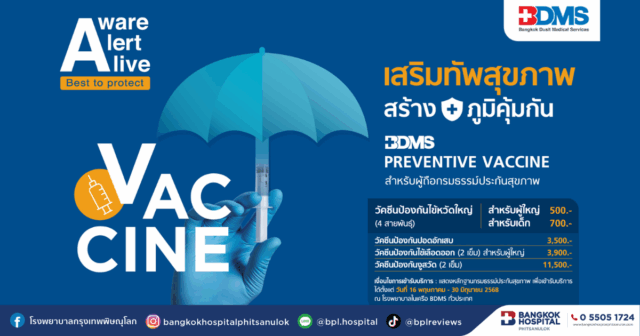
Recommended Vaccinations for Diabetic Patients
-
Influenza Vaccine – Annually (ideally in May before rainy season)
-
Pneumococcal Vaccine – PCV13 and/or PPSV23, especially if over 65
-
Hepatitis B Vaccine – If no prior immunity
-
Others – Tetanus/diphtheria every 10 years, shingles vaccine once