
As men age, hormonal changes naturally occur—affecting not only the body but also the mind and emotions, much like menopause in women. Among these changes, prostate-related disorders are particularly prevalent. In fact, the most commonly diagnosed condition among Thai men is Benign Prostatic Hyperplasia (BPH), affecting up to 80% of the male population. This is followed by prostate cancer (18%) and prostatitis (2%). Early detection and timely medical intervention are essential to prevent complications and improve quality of life.
Understanding BPH
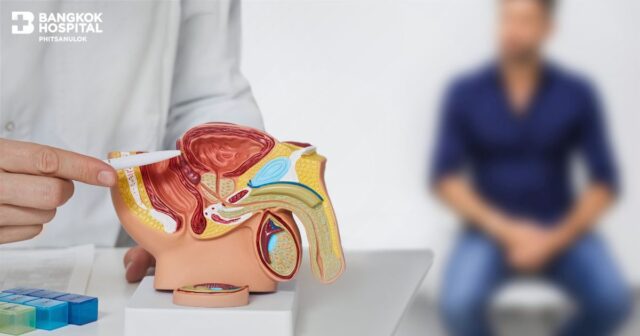
Benign Prostatic Hyperplasia (BPH) refers to the non-cancerous enlargement of the prostate gland, which surrounds the urethra just below the bladder. As the prostate enlarges, it can compress the urethra, resulting in urinary difficulties. BPH typically affects men aged 45 and older, with the highest prevalence—up to 80%—found in those over 70 years old.
Recognizing the Symptoms
Diagnosis of BPH is primarily based on urinary symptoms rather than the actual size of the prostate. Key warning signs include:
-
Difficulty initiating urination
-
Frequent urination, especially at night (nocturia)
-
Urgency or inability to hold urine
-
Weak urine stream or intermittent flow
-
Incomplete emptying or dribbling at the end of urination
-
Sudden inability to urinate
-
Severe urinary discomfort or pain
Diagnostic Methods
The diagnostic process for BPH includes the following:
-
Detailed patient history and symptom assessment
-
Blood and urine tests, and measurement of urine flow rate
-
Prostate ultrasound to evaluate changes in size
-
Digital Rectal Examination (DRE) via the rectum to detect abnormalities
Treatment Options for BPH
Treatment for BPH varies depending on symptom severity and the patient’s overall health. Available options include:
-
Medication:
-
Alpha-blockers: These medications help relax the muscles of the prostate and bladder neck.
-
5-alpha reductase inhibitors: These reduce DHT, a hormone responsible for prostate growth, effectively decreasing prostate size over time.
-
-
Minimally Invasive Surgery (Endoscopic):
-
TURP (Transurethral Resection of the Prostate): This gold-standard surgical method involves removing prostate tissue via an endoscope inserted through the urethra, using monopolar electrocautery.
-
TURPV (Transurethral Vaporization–Resection of the Prostate): A bipolar electrosurgical technique that reduces tissue damage and minimizes bleeding, offering benefits similar to laser vaporization.
-
-
Laser Surgery:
-
GreenLight PVP (Photoselective Vaporization of the Prostate): A high-powered laser vaporizes excess prostate tissue, improving urine flow with minimal bleeding. Ideal for elderly patients or those on blood thinners.
-
-
Thulium Laser Vaporesection:
-
Offers results comparable to GreenLight PVP, with the added benefit of preserving prostate tissue samples for further pathological examination—especially useful in patients with a risk of prostate cancer or urethral stricture.
-
Complications of Untreated BPH
If left untreated, BPH can lead to several serious complications:
-
Bladder infections
-
Hematuria (blood in urine) due to inflammation
-
Kidney damage or renal failure
Men over 45 are advised to undergo regular check-ups with a urologist, especially if experiencing urinary symptoms. Early screening can aid in identifying risks and ensuring prompt, effective treatment.
For further consultation, please contact:
📘 Facebook: https://www.facebook.com/
📱 Line: https://lin.ee/h3jcNOO