

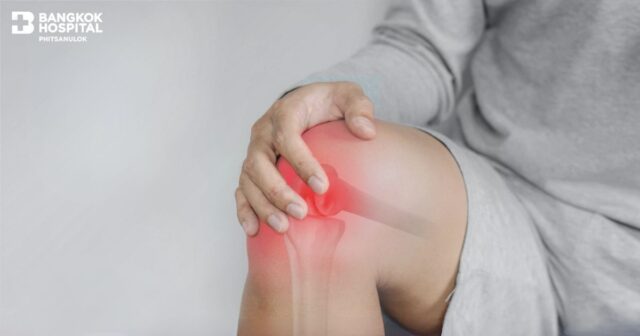
Total Knee Replacement Surgery Phitsanulok
Minimally Invasive – Fast Recovery – Walk Within 24 Hours Every step matters. Don’t let knee pain hold you back. #AdvancedKneeReplacementTechnique: Walk pain-free within 24 hours
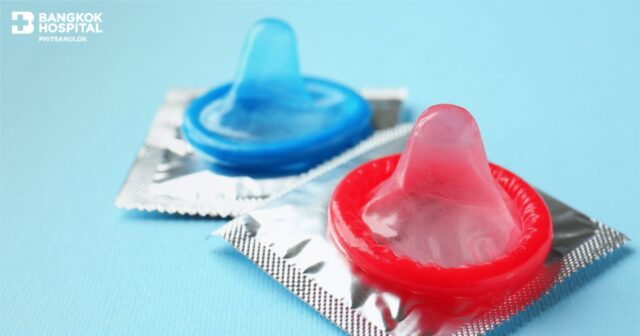
Wear a Condom: Prevent Pregnancy, Protect Against Disease
HIGHLIGHTS: When used correctly, condoms are 98% effective at preventing pregnancy. Condoms can reduce the risk of HIV transmission by 70–87% among men who have sex with men (MSM) and over 90% among heterosexual couples.

4-Strain HPV Vaccine (3 doses, for individuals aged 15 and above)
Package Details What is the 4-strain HPV vaccine? This vaccine helps protect against high-risk strains of the human papillomavirus (HPV) that are known to cause cervical cancer—most notably types 16 and 18. It also provides protection against types 6 and 11, which are associated with genital warts, a form of sexually transmitted infection. Overall, the vaccine can reduce the risk of developing cervical cancer, genital warts, and anal cancer by up to 70%.

Preparing for Motherhood: A Guide for Expectant Mothers
The First Trimester: Building the Foundations of Life During the first 3–4 months of pregnancy, your baby’s organs are developing rapidly. To support this critical process, it is essential for mothers to consume a well-balanced diet that includes all five major food groups: carbohydrates, proteins, fats, minerals, and vitamins.
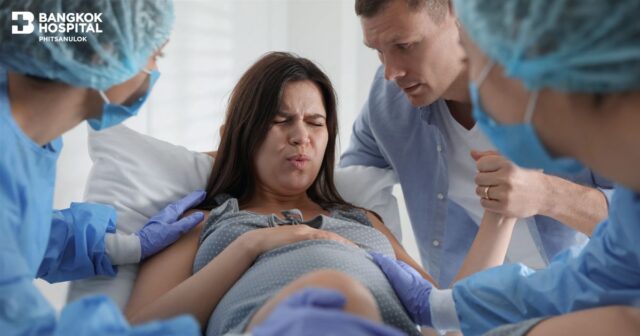
Understanding Natural Birth: What Every Expectant Mother Should Know
What Is Natural Birth? Natural birth, also known as active birth, refers to vaginal delivery without surgical intervention, typically occurring between 37 and 42 weeks of gestation. It is a process where the mother delivers the baby through natural pushing without general anesthesia or spinal anesthesia.
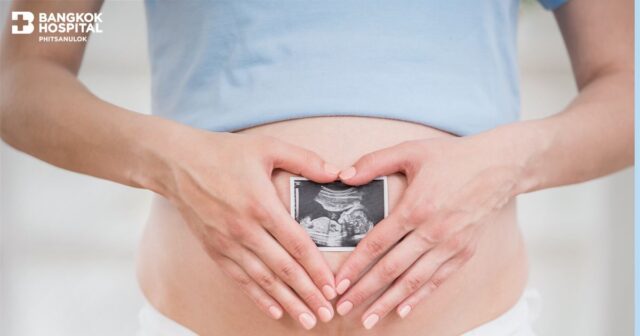
When Should You Begin Prenatal Care and Why Is It Important?
Why Is Prenatal Care Essential? Prenatal care involves comprehensive health monitoring and support for both the expectant mother and her baby, led by an obstetrician. Its primary goal is to ensure the health, safety, and well-being of both mother and child throughout the pregnancy, during labor, and after childbirth.

7 Essential Tips to Prepare for a Healthy Pregnancy
Preparing your body and mind before pregnancy is one of the most important steps to ensure the healthy development of your future child. When both physical and mental health are optimized, the chances of a safe pregnancy and a healthy baby increase significantly.
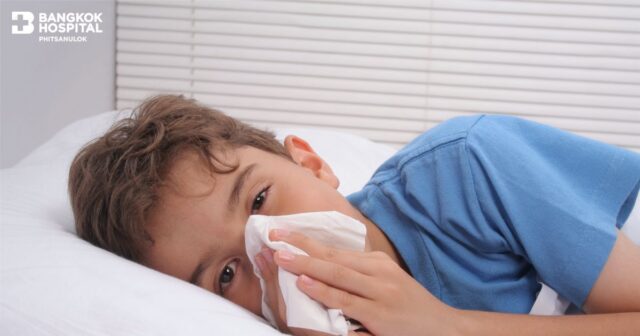
Protect Yourself the Right Way from Influenza
Influenza is a contagious respiratory illness that tends to spread widely during the rainy season (June–October) and winter (January–March) each year. Unlike the common cold, influenza can cause severe symptoms and lead to life-threatening complications.

RSV: A Silent but Serious Threat to Children’s Health
As the seasons shift from the rainy period to early winter, our bodies must adapt to sudden weather changes. One of the major concerns during this time—especially among young children—is the increased risk of respiratory tract infections, most notably caused by the RSV (Respiratory Syncytial Virus). While its symptoms may initially resemble a common cold, RSV can be life-threatening and should never be underestimated.
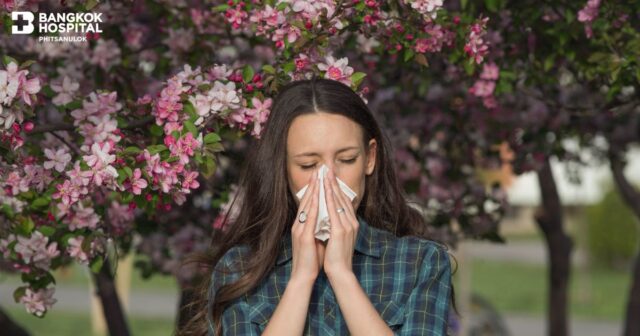
Allergic Rhinitis: Be Proactive, Not Reactive
No matter the season—sunshine, rain, or sudden cold spells—unpredictable weather changes can trigger allergic rhinitis. This condition is increasingly common, affecting more people each year. Being aware of the symptoms and taking proper care of yourself can significantly ease the discomfort. Otherwise, sudden weather shifts can bring on relentless allergy symptoms: nighttime breathing difficulties, poor sleep, puffy eyes, and lingering drowsiness throughout the day.
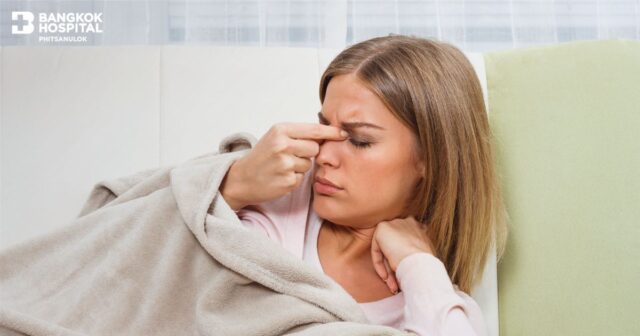
Sinusitis: A Common Yet Often Overlooked Condition
Understanding Sinusitis If you’re experiencing a persistent, dull ache around your forehead, between your eyes, cheekbones, or eye sockets—along with thick, discolored nasal discharge—you may be suffering from sinusitis. Left untreated, this condition can spread to the surrounding bones and potentially reach the brain, significantly complicating treatment and, in severe cases, posing life-threatening risks.
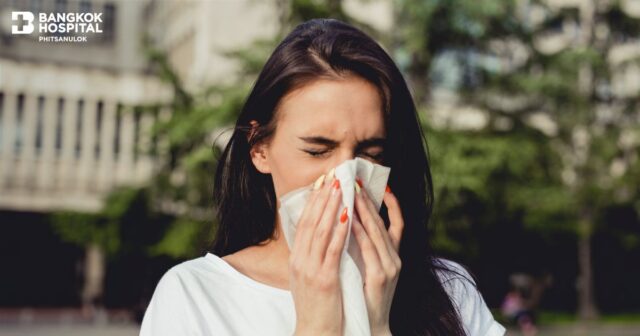
The 4 Most Common Allergies Among Thai People
Cow’s milk allergy, shrimp allergy, seafood allergy, drug allergy, dust mite allergy, pollen allergy, detergent allergy—and the list goes on. But at the heart of it all lie four major types of allergies that affect the majority of Thais: