


Herpangina
Understanding Herpangina
Herpangina is a contagious viral illness that poses a health risk to young children, especially during the rainy season. Most commonly found in children aged 2 to 10 years, the disease can occur at any age but is particularly prevalent in children under five. It tends to spread rapidly in settings where children congregate in large numbers, such as schools and daycare centers.
The disease is caused by viruses in the Coxsackie A group (serotypes 1–10, 16, and 22) and Enteroviruses. It typically presents as small ulcers or sores in the throat, accompanied by fever, fatigue, poor appetite, and sometimes vomiting. Young children may appear lethargic or irritable, while older children often report a sore throat, headache, and neck pain. The virus spreads through nasal discharge, saliva, phlegm, feces, or contaminated food, water, utensils, toys, furniture, or hands. Notably, even minimal viral exposure—just 10 to 100 viral particles—can cause infection. Due to its similarity in symptoms, herpangina is sometimes confused with hand, foot, and mouth disease.
Signs and Symptoms
Symptoms may vary among children, but commonly include:
-
Sudden high fever (sometimes reaching up to 40°C) that may not respond well to antipyretics
-
Possible febrile seizures in some children
-
Pain when swallowing, leading to refusal to eat or drink
-
Drooling, vomiting, or signs of dehydration such as dry lips, sunken eyes, crying without tears, dark urine, or infrequent urination
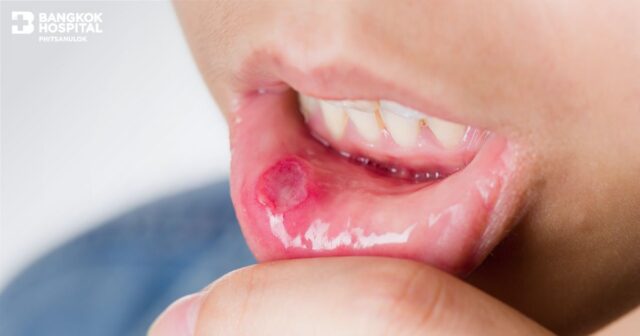
Mouth ulcers are typically small (2–4 mm), gray or whitish with red borders, and located on the soft palate, tonsils, or back of the throat. These ulcers usually appear around 48 hours after infection.
Herpangina vs. Hand, Foot, and Mouth Disease: What’s the Difference?
Although both illnesses are caused by viruses from the same group, their clinical presentations differ.
-
Hand, Foot, and Mouth Disease typically includes fever, a skin rash or blisters on the hands, feet, and inside the mouth. In more severe cases, it may involve vomiting, diarrhea, dehydration, pulmonary edema, seizures, and even shock or death.
-
Herpangina, on the other hand, does not cause rashes on the hands or feet. Its early symptoms may be subtle and difficult to detect. Only once a sore throat and mouth ulcers appear does it become more apparent. Some children may only exhibit shallow mouth ulcers without other distinct signs.
When to See a Doctor
Parents should seek immediate medical attention if a child:
-
Has a persistent high fever despite medication
-
Refuses to drink fluids, milk, or eat
-
Exhibits rapid breathing, weakness in the limbs, or seizures
Treatment
There is currently no antiviral medication for herpangina, but symptoms typically resolve within 7–10 days. Symptom-based care includes:
-
Sponging to reduce fever, and administering paracetamol or ibuprofen for pain relief
-
Encouraging frequent sips of cold water or mildly flavored cold milk
-
Offering bland, soft, and easy-to-digest foods
-
Consulting a doctor if the child refuses to eat or drink, or has a persistently high fever
-
Physicians may prescribe anesthetic-based mouth sprays or lozenges to ease throat pain
Prevention
The best way to prevent herpangina is to maintain excellent hygiene:
-
Wash hands thoroughly and frequently with soap and clean water
-
Avoid sharing utensils, cups, or toys with infected children
-
Keep sick children at home and away from school or daycare for at least 7 days
-
Refrain from taking young children to crowded public spaces, such as shopping malls, during outbreaks
For More Information or Consultation:
📘 Facebook: https://www.facebook.com/
💬 LINE: https://lin.ee/h3jcNOO