

Before Considering Knee Replacement Surgery
Knee replacement is often necessary when the surface of the knee joint has been severely damaged by arthritis or trauma. Patients typically experience pain while walking or climbing stairs. In more advanced stages, pain may persist even when sitting or lying down.
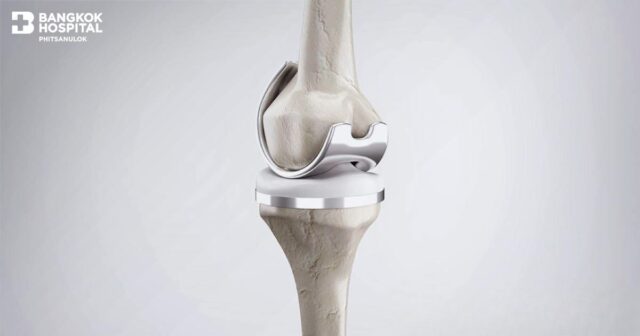
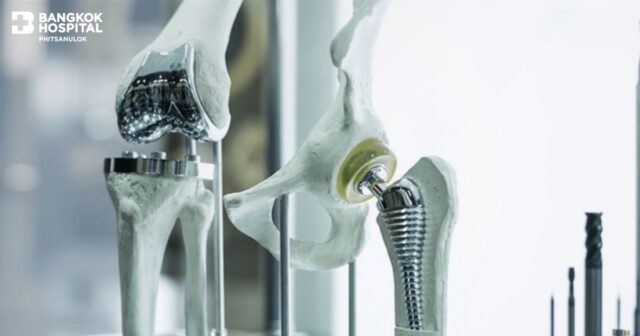
Initial treatments may include activity modification, anti-inflammatory medications, or using a walking aid. If these measures fail, Total Knee Replacement (TKR) may be recommended. This procedure involves removing the damaged joint surfaces and replacing them with smooth, durable components made of metal and plastic, allowing the knee to regain function.
Knee replacement is one of the most successful orthopedic surgeries, first performed in 1968. Since then, advancements in surgical techniques and materials have significantly improved patient outcomes.
Anatomy of the Knee Joint
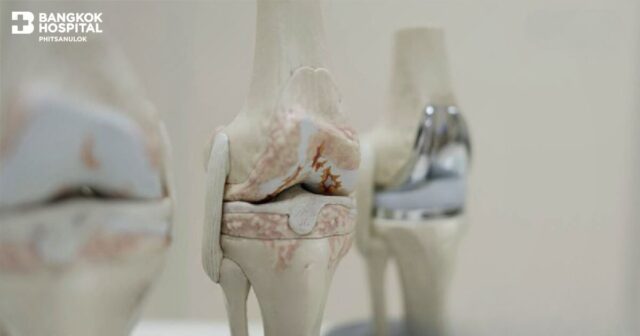
The knee is the largest joint in the body, comprising three main bones:
-
The distal end of the femur (thigh bone)
-
The proximal end of the tibia (shin bone)
-
The patella (kneecap)
Ligaments stabilize these bones, and muscles enable movement. The surfaces of these bones are covered with articular cartilage, a smooth, white tissue that cushions the bones and allows for fluid joint motion. The rest of the joint is lined with the synovial membrane, which produces lubricating fluid to reduce friction and nourish the joint.
Common Causes of Knee Pain and Dysfunction
1. Arthritis
The most common cause of chronic knee pain. It includes:
-
Osteoarthritis: Typically affects individuals over 50. Cartilage deterioration leads to bone-on-bone friction, causing pain, stiffness, and cracking sounds during movement.
-
Rheumatoid Arthritis: An autoimmune condition causing inflammation of the synovial membrane, leading to joint swelling, redness, and eventual bone destruction.
-
Post-traumatic Arthritis: Resulting from injuries such as fractures or severe impacts that damage the cartilage and joint surface.
Treating Knee Arthritis – When Surgery Is Considered
Initial treatments focus on reducing knee stress, such as avoiding squatting, kneeling, stair climbing, running, or heavy lifting. Anti-inflammatory medications and muscle-strengthening exercises can improve joint stability.
If conservative treatments fail, intra-articular injections—such as corticosteroids or synthetic joint lubricants—may be considered. Ultimately, Total Knee Replacement Surgery may be required to relieve pain and restore daily function.

Pre-Surgical Assessment
Before proceeding with surgery, the following evaluations are necessary:
-
A comprehensive health history, including knee symptoms and functional limitations
-
Physical examination assessing joint movement, muscle strength, and ligament integrity
-
X-rays to identify joint damage
-
Additional tests such as blood work, specialized X-rays, or MRI may be needed to assess surrounding soft tissue
Over 90% of patients report significant pain relief and functional improvement following knee replacement. However, high-impact activities like running, jumping, and deep squatting should be avoided, especially squatting on traditional squat toilets, as they can accelerate wear on the prosthetic joint.
Preoperative Preparation
To ensure the best surgical outcome:
-
General Health Check-up: Conducted by an internist, with further evaluation by specialists (e.g., cardiologist) if needed.
-
Laboratory Tests: Blood tests, urinalysis, and X-rays.
-
Skin Inspection: Any signs of infection or inflammation around the surgical site must be addressed.
-
Blood Donation: Knee replacement involves significant blood loss. Autologous blood donation (3–4 weeks prior, with the last donation at least 2 weeks before surgery) is recommended.
-
Medication Review: Patients must inform their physician of all medications. Certain drugs, such as blood thinners or NSAIDs, may need to be discontinued.
-
Dental Check: Infections from untreated dental issues can spread and affect the prosthetic joint, so dental health should be managed beforehand.
-
Urinary System: Chronic urinary infections (e.g., from an enlarged prostate) should be resolved to prevent postoperative complications.
-
Home Readiness: Post-surgery, patients will need support with daily activities. Preparing the home environment is crucial, including:
-
Installing grab bars in bathrooms
-
Ensuring stair railings are secure
-
Adding toilet support rails
-
Using a plastic chair for showering
-
Ensuring living spaces are on the same floor to avoid stairs
-
The Surgical Procedure
Patients are typically admitted on the morning of surgery. The anesthesiologist will explain two options for anesthesia:
-
General Anesthesia
-
Spinal Anesthesia
The choice depends on the anesthesiologist’s evaluation.
The operation lasts around 3 hours, during which the damaged joint surfaces are replaced with a metal and plastic prosthesis. Post-surgery, patients stay in the recovery room for 1–2 hours before being transferred back to their hospital room.
Hospitalization typically lasts 5–7 days, during which:
-
A urinary catheter may be used to monitor fluid balance
-
An IV line is maintained for fluids, blood transfusions, and antibiotics
-
Antibiotics are administered preoperatively (30–60 minutes before surgery) and for 1–2 days afterward
-
Blood transfusions may be needed due to surgical blood loss
-
A surgical drain is placed and removed within 2–3 days
-
Patients are encouraged to breathe deeply and cough to prevent lung complications
-
A Continuous Passive Motion (CPM) machine may be used
-
By day 2–3, physical therapy begins with standing, walking, and knee exercises
Discharge is considered when patients regain sufficient mobility, can perform basic self-care, and show no signs of infection.
Possible Complications
-
Infection (less than 2%) is the most serious risk
-
Cardiac issues: Blood loss and transfusions may strain the heart, potentially causing heart failure
-
Deep Vein Thrombosis (DVT): Blood clots may travel to the lungs or heart. This is more common in Caucasians but also occurs in Asians. Prevention includes early mobilization and anticoagulant medications, typically started within 1–2 days post-op and continued for 10–14 days
Signs of DVT to Watch For:
-
Calf pain
-
Swelling and redness above or below the knee
-
Swelling in the ankle or foot
Ideal Candidates for Knee Replacement
Surgery is suitable for those who:
-
Experience severe knee pain that interferes with daily life
-
Have nighttime pain or pain at rest
-
Suffer from chronic inflammation and swelling
-
Show deformities (e.g., bow legs or knock knees)
-
Have limited range of motion or difficulty straightening the knee
-
Have not improved with conservative treatments
For more information or consultation:
📘 Facebook: https://www.facebook.com/
💬 Line: https://lin.ee/h3jcNOO