


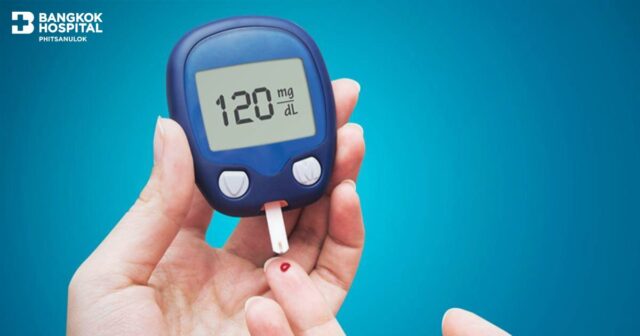
Diabetes Mellitus (DM) is a chronic condition characterized by elevated blood sugar levels due to either an insulin deficiency or resistance to insulin action. Insulin is a hormone essential for allowing glucose to enter the body’s cells to be used as energy. When insulin is insufficient or ineffective, glucose builds up in the bloodstream, leading to hyperglycemia. Prolonged high blood sugar levels can damage blood vessels and various organs, potentially resulting in serious complications.
Types and Prevalence of Diabetes
Diabetes encompasses a group of disorders that disrupt normal blood sugar regulation and cause widespread metabolic complications. Among Thai populations, Type 2 diabetes is the most prevalent, especially among the elderly. This type is typically associated with insulin resistance and lifestyle-related risk factors.
Thailand follows the diagnostic guidelines established by the American Diabetes Association (ADA). According to these criteria:
-
A fasting blood glucose level (after at least 8 hours of no caloric intake) below 100 mg/dL is considered normal.
-
A reading between 100–125 mg/dL indicates prediabetes, a condition with increased risk of developing Type 2 diabetes.
-
A level ≥126 mg/dL on two separate occasions confirms a diagnosis of diabetes.
Type 2 diabetes often progresses gradually and is linked to insulin resistance—where the body’s cells no longer respond properly to insulin—and an eventual decline in insulin production by the pancreas. If left unmanaged, diabetes significantly increases the risk of cardiovascular disease, stroke, and other complications.

The Role of Insulin in Diabetes
Insulin is a vital hormone secreted by the beta cells of the pancreas. Its primary role is to facilitate the uptake of glucose into body tissues, where it is converted into energy. Without sufficient insulin—or when insulin action is impaired—glucose cannot enter cells efficiently, resulting in persistently high blood sugar levels.
Beyond affecting carbohydrate metabolism, insulin deficiency disrupts fat and protein metabolism as well, leading to systemic imbalances.
Although the precise cause of insulin deficiency or resistance is not fully understood, both genetic and environmental factors play a role. A family history of diabetes significantly increases an individual’s risk of developing the disease.
Common Symptoms of Diabetes
Early symptoms of diabetes are often subtle and may include:
-
Frequent hunger and thirst
-
Excessive urination
-
Fatigue and weakness
-
Dry, itchy skin
-
Blurred vision
-
Numbness or tingling in the feet
-
Unexplained weight loss
-
Slow-healing wounds, particularly on the feet
10 Warning Signs of Diabetes
-
Persistent fatigue despite adequate rest
-
Unexplained weight loss
-
Frequent urination
-
Increased thirst
-
Blurry vision without an apparent cause
-
Leg or knee pain
-
Dry, itchy skin—especially around the genitals
-
Recurring skin abscesses or boils
-
Mood swings and irritability
-
Slow or non-healing wounds
Is There a Link Between Obesity and Diabetes?
Yes. Obesity is a key contributor to insulin resistance. Individuals who are overweight, especially those with a genetic predisposition, are at significantly higher risk of developing Type 2 diabetes. Weight management is, therefore, a central focus in diabetes prevention and treatment.
Treatment Options
Type 1 Diabetes
Patients with Type 1 diabetes require daily insulin injections due to complete insulin deficiency. Treatment also includes strict dietary control and regular physical activity.
Type 2 Diabetes
In early stages, Type 2 diabetes can often be managed through:
-
A balanced diet
-
Regular exercise
-
Weight control
If lifestyle changes are insufficient, oral medication or insulin therapy may be necessary.
Gestational Diabetes
Pregnant women diagnosed with diabetes should begin prenatal care early. Managing diet and engaging in physician-recommended physical activity are crucial to preventing complications.
How Is Diabetes Diagnosed?
Physicians diagnose diabetes through a combination of:
-
Medical history and symptoms
-
Physical examination
-
Laboratory blood tests, including:
-
Random Plasma Glucose Test
-
Fasting Plasma Glucose (FPG)
-
Hemoglobin A1c (HbA1c) – reflects average glucose over the past 2–3 months
-
Oral Glucose Tolerance Test (OGTT)
-
A fasting glucose level ≥126 mg/dL or a random glucose level ≥200 mg/dL accompanied by classic symptoms (e.g., excessive thirst, frequent urination, unexplained weight loss) supports a diabetes diagnosis. If symptoms are absent, a second confirmatory test is required.
Complications of Uncontrolled Diabetes
Chronic high blood sugar can damage blood vessels and lead to serious complications, such as:
-
Microvascular complications:
-
Diabetic retinopathy (vision problems)
-
Diabetic nephropathy (kidney disease)
-
-
Macrovascular complications:
-
Coronary artery disease
-
Cerebrovascular disease (stroke)
-
Peripheral arterial disease
-
-
Neuropathy (nerve damage)
-
Limb amputations
-
In pregnant women, diabetes increases the risk of preeclampsia and miscarriage.
Prevention of Diabetes
To prevent diabetes, it is crucial to maintain:
-
Healthy blood glucose and cholesterol levels
-
A nutritious, high-fiber diet
-
Regular physical activity
-
Avoidance of alcohol and tobacco
Pregnant women should seek early and regular prenatal care to monitor for gestational diabetes.
Need More Information?
-
Facebook: https://www.facebook.com/
-
LINE: https://lin.ee/h3jcNOO
Read more health insights:
Understanding Diabetes: Symptoms, Causes, and Prevention