


Influenza is a contagious respiratory illness that tends to spread widely during the rainy season (June–October) and winter (January–March) each year. Unlike the common cold, influenza can cause severe symptoms and lead to life-threatening complications.
Understanding Influenza
Influenza is caused by the influenza virus, which comes in multiple types and strains. The virus can be categorized into two major groups:
-
Seasonal Influenza
These are long-circulating strains of the virus that continue to evolve over time. Even those who have been previously infected can get sick again, although symptoms are often less severe due to partial immunity. -
2009 Pandemic Influenza (H1N1)
This strain, caused by a mutated H1N1 virus, spread rapidly due to the population’s lack of immunity. It has since become a common seasonal flu strain found alongside other variants.
How Influenza Spreads
Influenza spreads similarly to the common cold — primarily through respiratory droplets when an infected person coughs, sneezes, or talks. It can also be contracted through direct contact with contaminated objects such as towels, glasses, phones, toys, or remote controls. Touching the face, particularly the eyes, nose, or mouth, with contaminated hands allows the virus to enter the body easily.

Symptoms of Influenza
Influenza typically presents more abruptly and severely than the common cold. A high fever, often above 39–40°C and lasting 3–4 days, is a hallmark symptom—especially in children, who may also experience chills. Other common symptoms include muscle aches, fatigue, and loss of appetite, particularly in older children and adults.
One of the most serious concerns about influenza is the potential for complications such as pneumonia and encephalitis. These are more likely to occur in high-risk groups including young children, the elderly, and individuals with underlying health conditions like heart disease, lung disease, diabetes, kidney disease, or HIV. If you suspect influenza, it is important to seek medical attention promptly.
Treatment and Home Care
Most cases of influenza resolve on their own. If symptoms are mild, home care may be sufficient. Key recommendations include:
-
Reducing fever with a cool compress and paracetamol (avoid aspirin-based medications).
-
Using decongestants and expectorants for nasal congestion.
-
Staying well hydrated, eating light and nutritious meals, and getting ample rest.
-
Avoiding physical exertion.
However, if symptoms worsen after three days—such as persistent high fever, lethargy, difficulty breathing, chest pain, dizziness, or signs of dehydration—medical attention should be sought immediately, as complications or other conditions may be present.
Preventing Influenza
-
Wash hands frequently with soap and water or alcohol-based hand sanitizer.
-
Avoid sharing personal items like drinking glasses, utensils, or towels.
-
Keep a safe distance from those showing flu-like symptoms; wear a mask when contact is unavoidable.
-
Eat a well-balanced diet rich in vegetables, fruits, dairy, and protein; consume freshly cooked meals and use serving spoons.
-
Get adequate sleep.
-
Drink plenty of clean water.
-
Exercise regularly.
-
Avoid crowded or poorly ventilated spaces unless necessary.
-
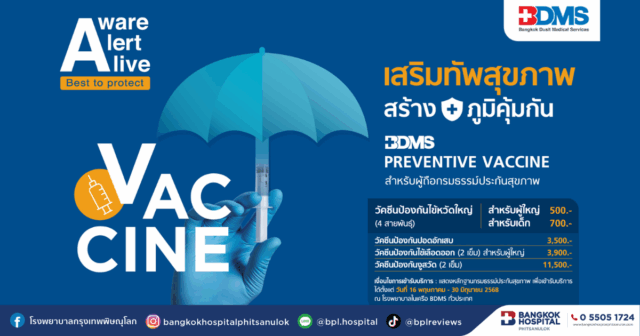
Get vaccinated against influenza
In addition to routine vaccinations, flu shots are highly recommended—especially for high-risk groups such as:-
Individuals aged 50 and above
-
Children aged 6 months to 19 years
-
People with chronic conditions like diabetes, heart or lung disease
-
Individuals who frequently visit hospitals or clinics during flu season
-
Healthcare workers
-
Immunocompromised individuals
-
Although influenza can be dangerous, it is preventable. With the right knowledge and precautions, influenza doesn’t have to be something to fear.
For more information or consultation, contact us:
Facebook: https://www.facebook.com/
LINE: https://lin.ee/h3jcNOO
Related Articles: