

HIGHLIGHTS:
-
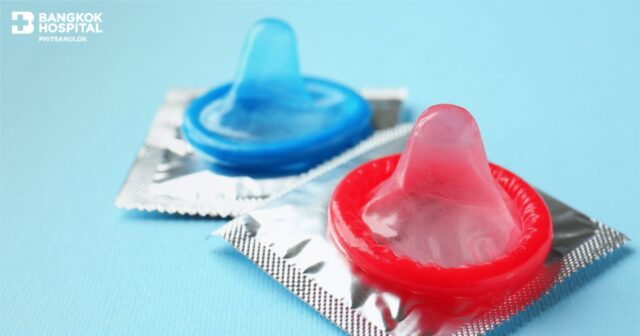
When used correctly, condoms are 98% effective at preventing pregnancy.
-
Condoms can reduce the risk of HIV transmission by 70–87% among men who have sex with men (MSM) and over 90% among heterosexual couples.
-
Condoms can also help protect against other sexually transmitted infections (STIs) such as herpes, hepatitis B, genital warts, gonorrhea, chlamydia, and syphilis—offering protection rates between 50–90%.
According to data from the Department of Disease Control, Ministry of Public Health (2015–2017)
condom usage among Thai adolescents has shown a steady increase. In 2017, 75% of male and 77% of female high school (Grade 11) students used condoms during their first sexual experience. Among vocational school students in their second year, 69.5% of males and 74.6% of females reported using a condom during their first sexual encounter.
Despite the upward trend, consistent use remains low, mainly due to increased trust in long-term partners. Unfortunately, this often leads to a rise in STIs such as HIV, syphilis, gonorrhea, genital and anal warts, genital herpes, and chancroid.
While male condoms dominate the market due to ease of use and prevailing societal norms that place responsibility on men, female condoms remain less accessible in Thailand. This article focuses on male condoms, which offer protection across vaginal, anal, and oral sex.
Q: How many types of condoms are there?
A: Currently, there are two main types:
- Latex condoms (made from natural rubber):
-
Advantages: Affordable, highly elastic, snug fit, effective for both contraception and STI prevention.
-
Disadvantages: Cannot be used with oil-based lubricants (e.g., petroleum jelly, mineral oil), which degrade the latex. Use only water-based or silicone-based lubricants with latex condoms.
- Non-latex condoms (made from polyurethane or polyisoprene):
- Advantages: Stronger, more tear-resistant, ideal for individuals allergic to latex, compatible with oil-based lubricants, and can be manufactured as thin as 0.01 mm for a natural feel.
- Disadvantages: Tend to be more expensive than latex condoms.
Q: How to choose the right condom size?
A: Proper fit is crucial. A condom that is too tight may tear, while one that is too loose may slip off. Size is based on girth, not length—most condoms are a standard 6–7 inches long.
Common condom widths (measured in millimeters):
-
49 mm: For penile circumference of 11–12 cm (approx. 4.5–5 inches)
-
52 mm: 12–13 cm
-
54 mm: 13–14 cm
-
56 mm: 14–15+ cm (approx. 6 inches or more)
Penile girth can be measured when erect. The erection process involves the corpora cavernosa—sponge-like tissue filling with blood during arousal, typically expanding the penis 3–5 times its flaccid size.
Q: What does a condom protect against?
A:
-
Pregnancy prevention: 98% effective when used properly
-
HIV prevention: 70–87% effective for MSM, over 90% for heterosexual couples
Note: Anal sex increases the risk of HIV due to the likelihood of tearing, which is why efficacy may be lower among MSM.
-
STI prevention: Effective against herpes, hepatitis B, genital warts, gonorrhea, chlamydia, syphilis (50–90%)
Q: What should you do if a condom breaks?
A: กIf a condom breaks during intercourse, stop immediately and replace it. Continuing after a break increases the risk of infection or unintended pregnancy. However, sometimes a break may go unnoticed due to distraction, intoxication, or in-the-moment passion.
Common causes of condom breakage include:
-
Using extra-thin condoms during rough anal sex (especially <0.03 mm in thickness)
-
Damage from fingernails, braces, or teeth during oral application
-
Cutting the package open with scissors and accidentally nicking the condom
-
Using incompatible lubricants (e.g., oil-based with latex) that degrade the material by up to 90%
-
Not pinching the tip before wearing, which traps air and increases pressure during sex
-
Using a condom that is too tight or improperly sized
-
Improper storage, such as keeping condoms in a wallet or car (heat, pressure, and sunlight can compromise the material)
For latex condoms, always use water-based or silicone-based lubricants. Look for lubricant labels that indicate “safe for use with condoms.”
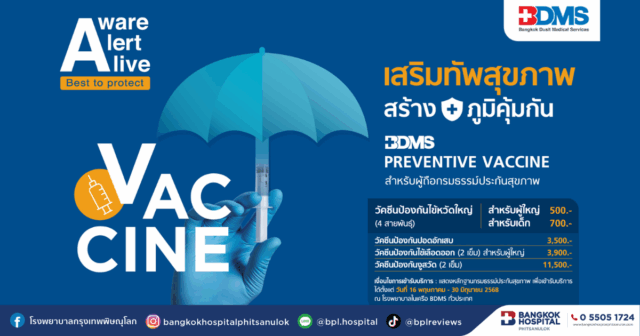
Don’t Overlook HPV: A Silent Threat in Men
Human papillomavirus (HPV) is often underdiagnosed in men but can lead to genital warts and increase the risk of several cancers. While condoms offer partial protection, vaccination and regular screenings are essential components of a holistic preventive strategy.