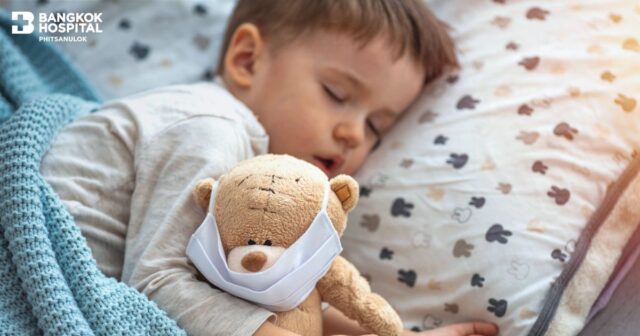
What is RSV?
RSV, or Respiratory Syncytial Virus, is a common virus that affects both the upper and lower respiratory tracts. Although it can infect individuals of all ages, it poses a higher risk to children under the age of 3. In Thailand, outbreaks of RSV are most frequently seen during the rainy season and the transitional period into early winter.
How RSV Spreads
RSV is highly contagious and spreads through bodily secretions such as mucus, saliva, and droplets from coughing or sneezing. The most common route of transmission is direct contact, particularly in children. Once exposed, the virus typically incubates for around 5 days. During the first 2 to 4 days, symptoms resemble those of the common cold—fever, cough, sneezing, and a runny nose. As the infection progresses, inflammation may spread to the lower respiratory tract, causing conditions such as bronchitis, laryngitis, and pneumonia.
Severe symptoms to watch for include:
-
Fever over 39°C
-
Persistent coughing or vomiting after coughing
-
Rapid or labored breathing, with chest retractions
-
Wheezing
-
Poor feeding
-
Lethargy or bluish lips
Such symptoms may indicate respiratory failure, a critical condition that requires urgent medical attention.
A recent case shared on social media by a parent of a 5-month-old infant who contracted RSV highlights how easily the virus can spread. It is suspected that the infection came from an adult who kissed or touched the baby’s face. This underlines the importance of good hygiene practices, particularly for adults in close contact with infants. Even seemingly harmless gestures like kissing a baby’s cheek can transmit harmful viruses if proper precautions are not taken.
Treatment for RSV
Currently, there is no antiviral treatment specifically for RSV. Medical care focuses on symptomatic relief, including antipyretics, cough suppressants, and expectorants. In some children with thick mucus or breathing difficulty, treatments may include nebulized bronchodilators, chest physiotherapy, or mucus suctioning to alleviate symptoms.
Recovery typically takes 1 to 2 weeks. Although RSV symptoms can range from mild cold-like signs to severe pneumonia, reinfection is possible—especially in children with weakened immune systems.

Preventing RSV Infection
Prevention begins with good hygiene. Parents and caregivers should:
-
Wash hands frequently—handwashing can reduce germ transmission by up to 70%
-
Ensure children eat a balanced diet and get enough rest
-
Encourage moderate exercise and exposure to fresh air, rather than staying in air-conditioned environments constantly
While adults are generally less susceptible to RSV due to stronger immunity, they can still carry and transmit the virus to children if proper hand hygiene is not observed.
If a child shows signs of illness:
-
Keep them away from crowded areas and other children
-
Clean and separate personal items
-
For children attending nursery or preschool, it’s advisable to keep them home until they are fully recovered to prevent further spread
Pediatric Center, Bangkok Hospital Phitsanulok
At Bangkok Hospital Phitsanulok, our Pediatric Center is guided by a deep commitment to family-centered care. Our experienced pediatricians offer not only disease prevention and emergency treatments but also support every stage of a child’s development. We are equipped with a multidisciplinary team specializing in:
-
Pediatric gastroenterology
-
Respiratory care
-
Infectious diseases
-
Cardiology
-
Neurology and psychiatry
-
Endocrinology
-
Urology
-
Pediatric surgery
-
Hematology and pediatric oncology
Contact us for more information:
Facebook: https://www.facebook.com/
LINE: https://lin.ee/h3jcNOO
Explore more health articles: