-
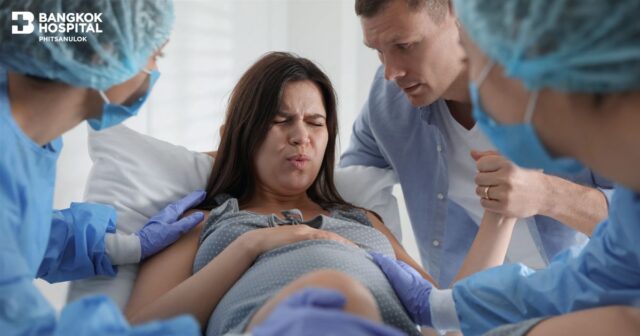
What Is Natural Birth? Natural birth, also known as active birth, refers to vaginal delivery without surgical intervention, typically occurring between 37 and 42 weeks of gestation. It is a process where the mother delivers the baby through natural pushing without general anesthesia or spinal anesthesia.
Why Natural Birth? Natural birth offers numerous benefits for both mother and child:
-
Safety: Natural birth reduces the risk of infection and blood loss compared to cesarean sections. It also eliminates the need for general anesthesia or spinal blocks, making the process safer.
-
Minimal Incision: In first-time mothers, a small perineal incision may be necessary to ease the baby’s passage, typically measuring only 2–4 cm, depending on maternal anatomy and baby size.
-
Faster Recovery: With smaller incisions and no general anesthesia, mothers can move, sit, and walk sooner post-delivery. Recovery time is generally shorter, allowing more immediate bonding with the baby and earlier discharge from the hospital.
-
Boosted Immunity for the Baby: Babies born vaginally receive beneficial bacteria and probiotics from the birth canal, helping strengthen their immune systems.
-
When Natural Birth May Not Be an Option Certain medical conditions may necessitate a cesarean section:
-
Preeclampsia
-
Placenta previa (low-lying placenta)
-
Large baby or unfavorable fetal positioning
-
Maternal health concerns such as heart disease or cervical cancer
Is Natural Birth Painful? Pain varies based on uterine contractions, baby’s position, and maternal pain tolerance. Pain relief methods include IV or intramuscular analgesics, local perineal anesthesia, and epidural blocks administered by anesthesiologists.
VBAC: Vaginal Birth After Cesarean Mothers who previously had a cesarean may be candidates for VBAC (Vaginal Birth After Cesarean). It is ideal for women planning multiple children and seeking to avoid surgical risks. VBAC eligibility depends on fetal size, maternal health, and other risk factors, evaluated by a specialist.
Healing Time and Breastfeeding Perineal pain typically subsides within 3–4 days and fully resolves within a week. Breastfeeding is unaffected by vaginal delivery, and early nursing helps stimulate milk production.
Preparing for Natural Birth
-
Educate Yourself: Learn about the natural birth process, self-care, and newborn care.
-
Prenatal Record: Bring your maternity book to appointments for seamless communication.
-
Essentials Bag: Prepare necessities for mother, father, and baby.
-
Know the Signs: Watch for mucus discharge, water breaking, and real vs. false labor pains.
Cervical Dilation and Labor Time
-
First-time mothers: Cervix dilates at ~1.2 cm/hour, taking ~12 hours to reach 10 cm.
-
Second-time mothers: Dilation progresses at ~1.5 cm/hour, usually taking 4–6 hours.
-
Pushing typically lasts 30–45 minutes once full dilation is achieved.
Emergency Cesarean Delivery Emergency C-sections may occur if:
-
Fetal heart rate becomes irregular
-
Cervix fails to dilate
-
Pelvic structure prevents natural birth
-
Multiple births (twins, triplets)
-
Prolonged labor
-
Breech position
-
Placental abruption
Postpartum Care After Natural Birth
-
Hospital Stay: Typically 2 days, with monitoring for bleeding, uterine contraction, milk supply, and infant conditions like jaundice or thyroid issues.
-
Breastfeeding: Can begin immediately post-birth to stimulate milk production.
-
Resuming Daily Life:
-
Sexual Activity: Avoid until 4–6 weeks postpartum check-up to ensure healing.
-
Exercise: Begin light activity after 6 weeks, such as stretching, yoga, or walking. Intense exercise should follow physician approval.
-
Walking: Mothers can walk after delivery but should take caution to avoid strain on healing perineal tissues.
-
Postpartum Belly Care
-
Abdominal Exercises: Start gentle exercises like abdominal contractions within the first week.
-
Diet: Avoid excessive sugars and carbs to reduce belly fat.
-
Hydration: Drink plenty of water to improve digestion and circulation.
-
Breastfeeding: Burns 500–800 kcal/day, helping reduce belly size and aiding uterine contraction.
Does Natural Birth Cause Vaginal Looseness? The cervix typically returns to normal within a week. Pelvic floor exercises (Kegels) can help restore vaginal tone and prevent laxity.
Dietary Guidelines Post-Birth
-
Eat easily digestible, mildly flavored foods.
-
Ensure balanced intake across all food groups.
-
Consume fiber-rich foods to prevent constipation, which is common postpartum.
-
Avoid raw, fermented foods, alcohol, and caffeinated or energy drinks.
-
Consult your doctor before taking herbal medicines; some may affect uterine contractions or cause bleeding.
-
Cold water is not medically prohibited.
For More Information Facebook: https://www.facebook.com/ Line: https://lin.ee/h3jcNOO