

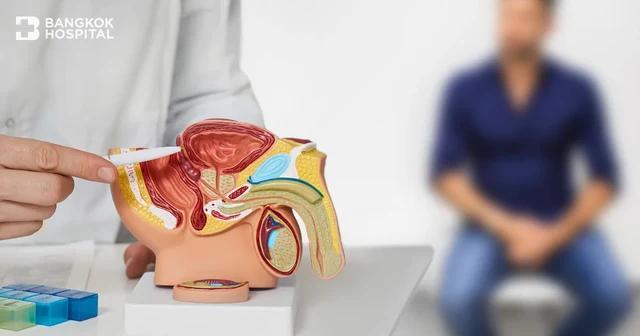
Robotic Assisted Radical Prostatectomy: Is This a Surgery for Prostate Cancer?
Learn about robotic surgery for prostate cancer, including robotic prostatectomy types, benefits, risks, side effects, preparation, procedure, and recovery.
Translated by AI
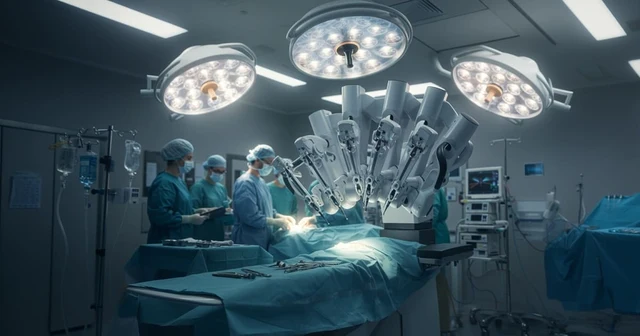
Robotic Surgery: Robot-assisted surgery with millimeter-level precision
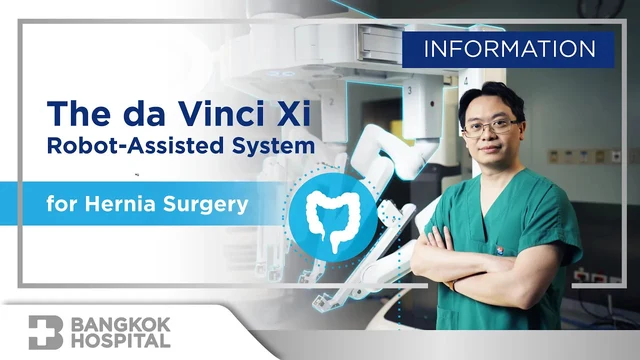
The da Vinci Xi Robot-Assisted System for Inguinal Hernia Surgery with Reduced Risk of Recurrence
Inguinal hernia is a common condition that can be effectively treated with surgery. For patients with large, recurrent, or complex inguinal hernias, surgical precision is essential to repair the abdominal wall and reinforce it securely. The da Vinci Xi Robot-Assisted System enhances minimally invasive hernia surgery with greater precision, improved visualization, and better access to difficult-to-reach anatomical areas. This helps reduce tissue trauma while supporting a faster recovery after surgery.
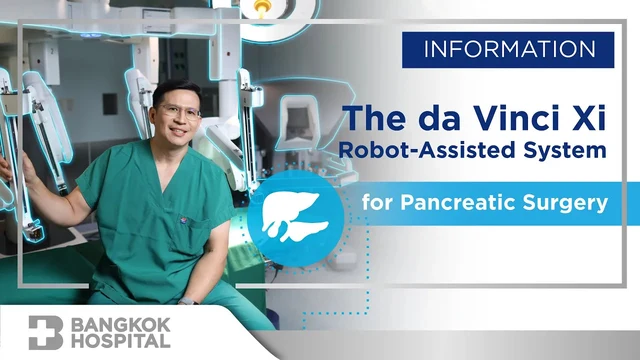
The da Vinci Xi Robot-Assisted System for Pancreatic Cancer Surgery with Fast Recovery
Pancreatic surgery is one of the most complex surgical procedures because the pancreas is located close to major blood vessels and several vital organs. Successful surgery requires exceptional precision, meticulous tissue dissection, and careful bleeding control. The da Vinci Xi Robot-Assisted System enhances minimally invasive pancreatic surgery with high-definition 3D visualization and robotic instruments that provide greater flexibility and precision, helping surgeons perform complex procedures while supporting faster recovery after surgery.
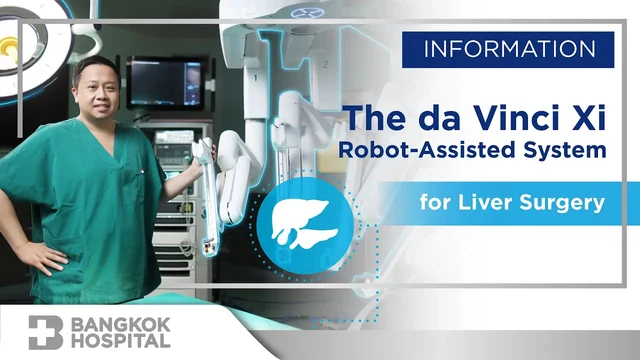
The da Vinci Xi Robot-Assisted System for Liver and Bile Duct Cancer Surgery with Enhanced Precision
Liver and bile duct surgery is among the most complex surgical procedures because it requires precise identification of liver tissue, blood vessels, and bile ducts while preserving as much healthy tissue as possible. The da Vinci Xi Robot-Assisted System enhances minimally invasive liver surgery with high-definition 3D visualization and Near Infrared Imaging, enabling surgeons to clearly identify important anatomical structures for greater precision and safety during surgery.
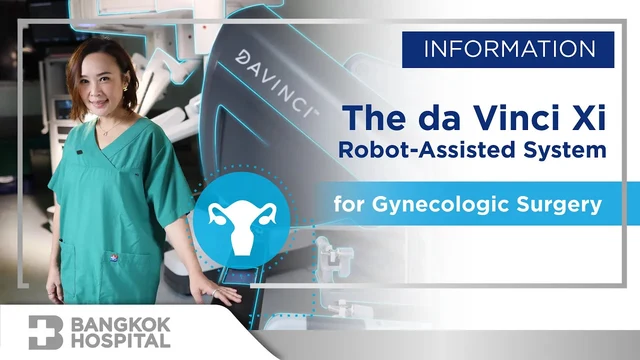
The da Vinci Xi Robot-Assisted System for Uterine Fibroid, Uterine Cancer, and Ovarian Cyst Surgery
Enhances minimally invasive gynecologic surgery through high-definition 3D visualization and robotic instruments with exceptional flexibility. This allows surgeons to operate with greater precision in complex pelvic anatomy while supporting less pain and faster recovery.

The da Vinci Xi Robot-Assisted System for Lung and Thymus Cancer Surgery
Enhances minimally invasive thoracic surgery by providing greater precision and improved access to complex anatomical areas. It also helps surgeons preserve important nerves and surrounding tissues while supporting a faster recovery after surgery.
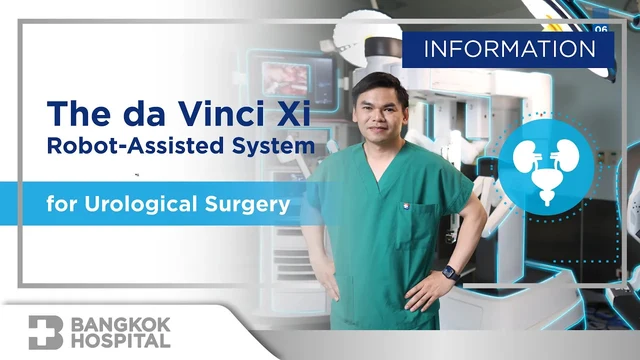
The da Vinci Xi Robot-Assisted System for Prostate and Kidney Cancer Surgery
Represents an advanced approach to urological surgery, particularly for the treatment of prostate cancer and kidney cancer. These procedures require exceptional precision to remove cancer while preserving surrounding structures that are important for postoperative function and recovery.

What is the da Vinci Xi surgical robot, and who is it suitable for?
Whatever your lifestyle, don't let health problems interrupt the way you live. The da Vinci Xi Robot-Assisted Surgery is a minimally invasive surgical technology designed to enhance surgical precision while providing better access to complex anatomical areas. It helps reduce tissue trauma, minimize blood loss, and support a faster recovery, allowing patients to return to their daily lives with confidence.
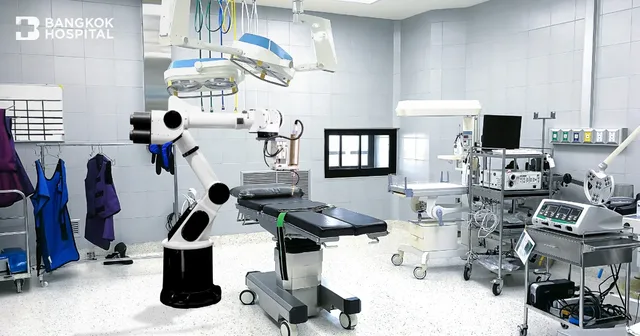
Patient's Guide to Robotic Hernia Surgery
Discover essential information about minimally invasive hernia treatments, including procedural steps, healing timelines, and what to expect during recovery.

The da Vinci Xi - Robot-assisted system for minimally invasive abdominal surgery
Medical advancements in surgery have continued to expedite the pace of changes, allowing better treatment outcomes for patients who require abdominal surgery, ranging from gallstones to pancreatobiliary diseases, e.g. liver cancer, pancreatic cancer and gallbladder cancer.