



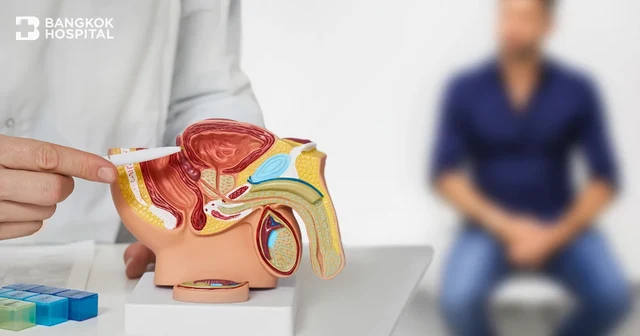
Prostate cancer remains a significant health concern for men globally. When diagnosed, patients often consider various treatment paths to address the disease. Robotic surgery for prostate cancer has become a recognized surgical approach for individuals seeking to remove the prostate gland while maintaining focus on physical outcomes. This article outlines the details of robotic surgery for prostate cancer to help you understand the process, risks, and recovery expectations.
What Is Robotic Surgery for Prostate Cancer?
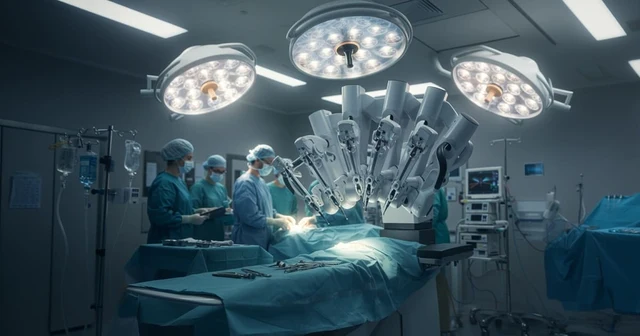
Robotic surgery for prostate cancer is a minimally invasive procedure where a surgeon operates using robotic instruments to remove the prostate gland. The surgeon sits at a console, controlling small, wristed tools through small incisions in the patient’s abdomen. This setup provides high-definition, magnified visualization of the surgical area, allowing the surgeon to maneuver around delicate structures like nerves and blood vessels surrounding the prostate. By utilizing robotic surgery, surgeons can perform precise movements that benefit patients undergoing prostate removal.
Types of Robotic Surgery for Prostate Cancer

There are 3 types of robotic surgery for prostate cancer:
1. Retzius-Sparing Robot-Assisted Radical Prostatectomy (RS-RARP)
Retzius-Sparing Robot-Assisted Radical Prostatectomy (RS-RARP) is an advanced, posterior-approach robotic surgery for localized prostate cancer that removes the prostate through the Douglas pouch while completely preserving the anterior Retzius space, suspensory ligaments, and neurovascular architecture to optimize early continence recovery
2. Conventional Robot-assisted radical laparoscopic prostatectomy (C-RALP)
RALP is the primary method for treating prostate cancer. During this procedure, the surgeon removes the entire prostate gland and some surrounding tissues. In certain cases, nearby lymph nodes are also removed to check for cancer spread. This version of robotic surgery for prostate cancer aims to remove localized disease.
3. Nerve-sparing prostatectomy
Nerve-sparing prostatectomy is performed during a radical prostatectomy when the cancer is located at a distance from the nerves responsible for erectile function. By identifying and preserving these nerves, surgeons aim to maintain sexual function for the patient. This approach may not be possible if the tumor is situated too close to the nerve bundles.
Benefits of Robotic Surgery
Patients who undergo robotic surgery for prostate cancer may experience several potential benefits compared to traditional open surgery:
- Lower blood loss during the procedure
- Reduction in pain levels during recovery
- Shorter duration of hospital stays
- Shorter period required to return to daily activities
Robotic Surgery for Prostate Cancer Risks
As with any major surgical intervention, robotic surgery for prostate cancer carries specific risks. These include:
- Bleeding during or after the procedure
- Infection at the incision sites
- Injury to adjacent organs, such as the rectum or bowel
- Development of blood clots
- Formation of a collection of fluid, known as a lymphocele
Side Effects of Robotic Surgery
Following the removal of the prostate, patients may experience certain side effects. Urinary incontinence, or the difficulty in controlling bladder function, is possible after robotic surgery for prostate cancer. This often improves with time and pelvic muscle exercises. Erectile dysfunction is another potential side effect. The likelihood of regaining erectile function depends on the patient’s age, baseline sexual health, and whether nerve-sparing techniques were performed.
How to Prepare for Robotic Prostatectomy
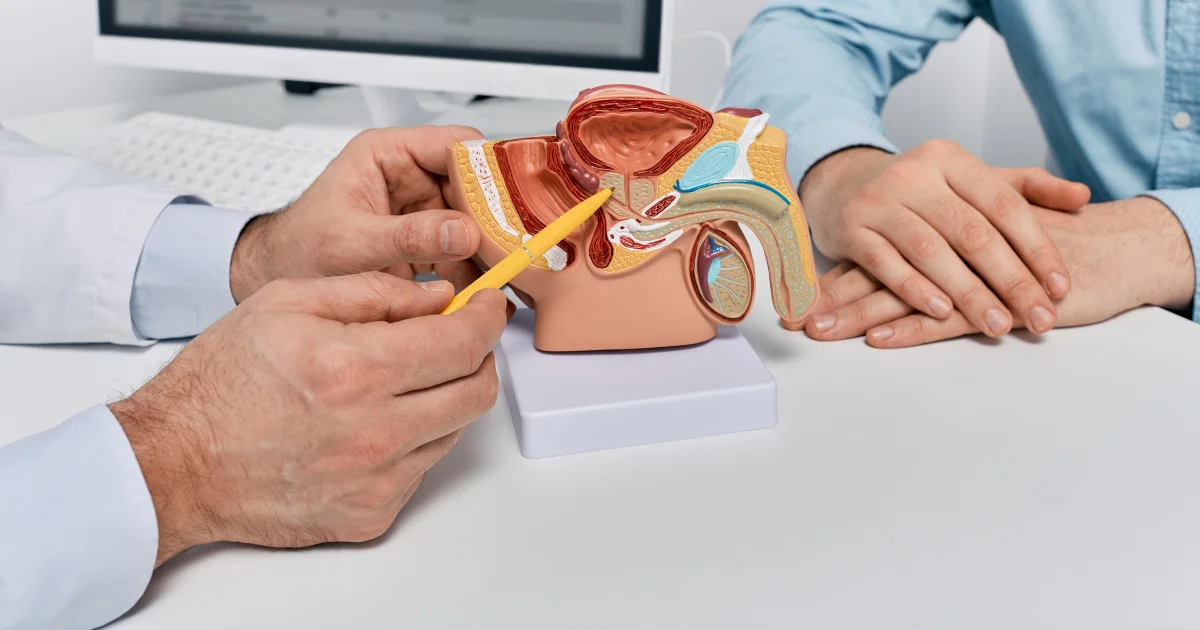
Preparation for robotic surgery for prostate cancer involves several steps. You will need to discuss all current medications and supplements with your surgeon, particularly blood thinners. Surgeons typically recommend fasting from food and drink after midnight before the procedure. You may be required to perform bowel preparation or follow specific hygiene instructions. Engaging in prescribed physical activity, such as walking and pelvic floor exercises, prior to the surgery can support your recovery process.
Procedure of Robotic Prostatectomy
The surgical process is divided into clear phases, guiding individuals from preoperative preparation through the actual operation and into postoperative recovery.
Before the Procedure
Upon arrival, patients undergo preparations for general anesthesia. The medical staff will monitor vital signs and may administer antibiotics to reduce infection risk. A catheter may be placed to assist with urinary drainage.
During the Procedure
The patient is placed in a position to allow the surgeon access to the pelvis. Small incisions are made in the abdomen to insert the robotic instruments and a camera. The surgeon, sitting at a console, manipulates the robotic arms to remove the prostate. The bladder is then reconnected to the urethra.
After the Procedure
Patients are moved to a recovery area. Pain management is provided, and early movement is encouraged to promote blood flow. A urinary catheter remains in place for several days to allow the surgical site to heal. Follow-up appointments are scheduled to monitor recovery and receive pathology results.
https://www.bangkokhospital.com/en/bangkok/doctor/asst-prof-dr-tanet-thaidumrong
Hospital Specializing in Robotic Surgery for Prostate Cancer

Bangkok Hospital is a recognized robotic surgery center in Thailand. We provide focused care for patients seeking robotic surgery for prostate cancer. Our urologists and medical support staff work together to provide personalized treatment plans, from the initial consultation through to postoperative follow-up.
For individuals over 75 years old, geriatric specialists evaluate surgical readiness by managing underlying diseases, medications, and nutrition. This unified approach provides tailored care from the initial consultation through postoperative recovery, focusing on physical outcomes and maintaining quality of life for individuals undergoing robotic surgery.
Summary
Robotic surgery for prostate cancer offers a way to treat localized prostate disease through a minimally invasive approach. By utilizing robotic instruments, surgeons can work with high precision to remove the prostate while focusing on the preservation of surrounding tissues. While the procedure carries risks and potential side effects, such as urinary or sexual dysfunction, many patients recover with the support of dedicated medical professionals. Discussing your specific diagnosis with a urologist will help determine if this approach is suitable for your situation.
Frequently Asked Questions
1. How long does it take to heal inside after prostate surgery?
Internal healing typically progresses over several weeks, though bladder function may continue to improve for up to one year.
2. How painful is robotic prostate surgery?
Patients often report less pain compared to traditional open surgery, though some discomfort is common for several weeks. Pain management plans are provided by the hospital.
3. Why is robotic surgery better?
It is often preferred because it utilizes small incisions, which may result in less blood loss and a shorter hospital stay compared to open surgery.
4. How many hours does robotic prostate surgery take?
The procedure typically lasts between two and four hours, depending on the complexity of the case.
5. At what age is prostate surgery not recommended?
There is no specific age limit, as the decision depends on the patient’s overall health, life expectancy, and the stage of the cancer rather than age alone.