

Navigating the options for advanced medical treatments is a crucial step in any patient’s healthcare journey. This comprehensive guide from Bangkok Hospital explores the evolving landscape of surgical interventions, shedding light on how modern technology is transforming patient care. By reading through these sections, patients will gain a clearer perspective on the available medical options, empowering them to make informed decisions alongside their trusted medical providers.
What Is Robotic Hernia Surgery?
Medical technology has introduced robotic systems to assist in operations, marking a significant shift from traditional open surgery. Unlike standard procedures that require large incisions, a robotic approach allows the surgeon to operate with extreme precision through tiny keyholes using a 3D high-definition console. This highly controlled method minimizes tissue damage, which is a major advantage for patients seeking a smoother healing process. This surgical method is utilized to fix various types of abdominal wall weaknesses. Surgeons routinely perform robotic inguinal hernia repair to address issues in the groin area, as well as umbilical, hiatal, and ventral hernias.
How Does Robotic Hernia Surgery System Work?
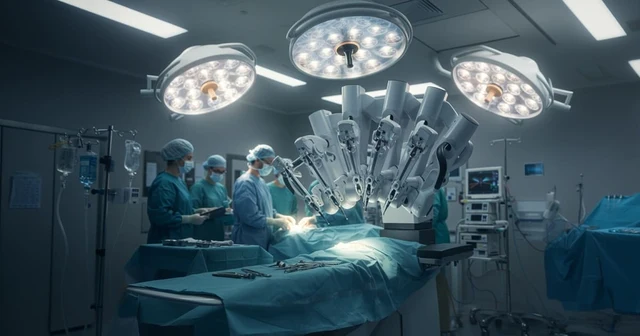
The robotic hernia surgery system is not an autonomous machine, but rather a highly precise extension of the surgeon’s hands. Operating from a specialized console with a magnified, high-definition 3D view, the surgeon controls articulated robotic arms inserted through tiny keyhole incisions. This advanced technology translates their exact hand movements into scaled-down, tremor-free actions, allowing for safe, minimally invasive repairs with significantly less tissue damage than traditional methods.
How Long Does Robotic Hernia Surgery Take?
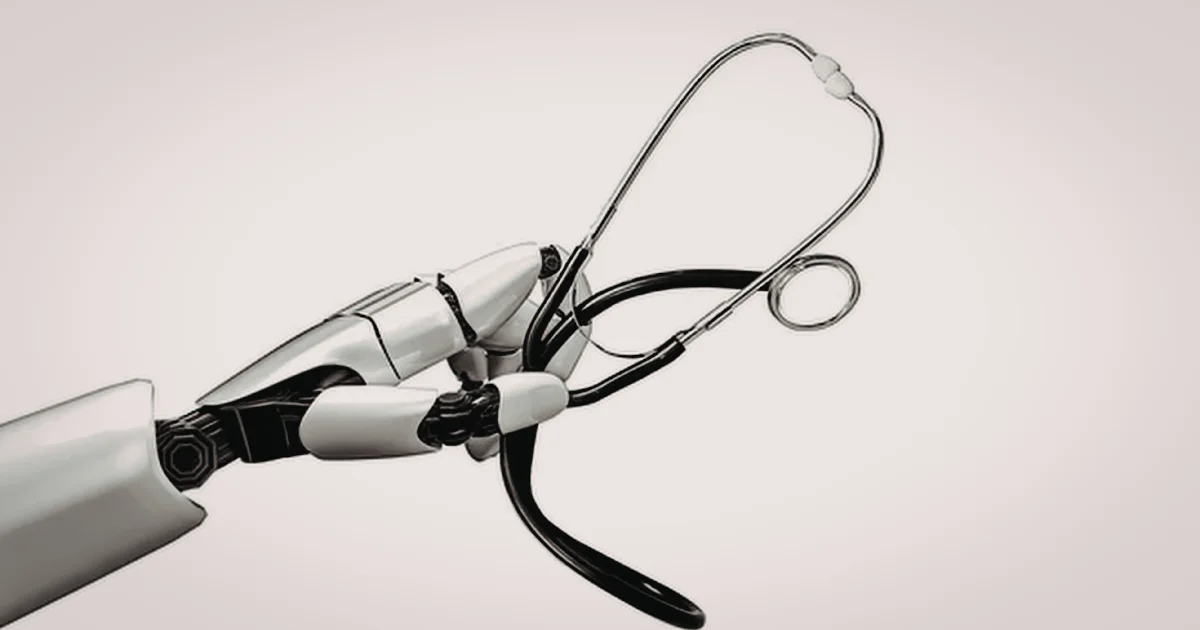
The duration typically ranges from 30 minutes for straightforward repairs to a few hours for complex abdominal reconstructions. While the meticulous precision of the robotic instruments may occasionally require slightly more time in the operating room than standard laparoscopic methods, this high-tech approach ensures optimal mesh placement and minimizes muscle trauma. Ultimately, this careful, technology-assisted process translates directly into significantly less postoperative pain and a much faster overall recovery for the patient.
Who Are the Candidates?
- Patients with Complex or Recurrent Hernias: Individuals suffering from large, returning, or bilateral hernias, such as those requiring a robotic inguinal hernia repair on both sides of the groin, are excellent candidates. The robotic system’s ability to easily navigate difficult anatomical spaces makes these challenging repairs much safer.
- Those Seeking Minimally Invasive Options: Patients who wish to avoid the large incisions, extensive tissue disruption, and prominent scarring associated with traditional open surgery often qualify for this highly precise robotic approach.
- Individuals Requiring a Quicker Return to Daily Life: Because the robotic technique significantly reduces muscle trauma, patients who need to resume their work and personal routines swiftly benefit greatly from the accelerated healing timeline.
- Patients with Prior Abdominal Surgeries: Those who have dense scar tissue from previous operations can benefit immensely from the system’s high-definition 3D visualization, which helps the surgeon safely identify and bypass delicate internal structures.
The Benefits of Robotic Hernia Surgery
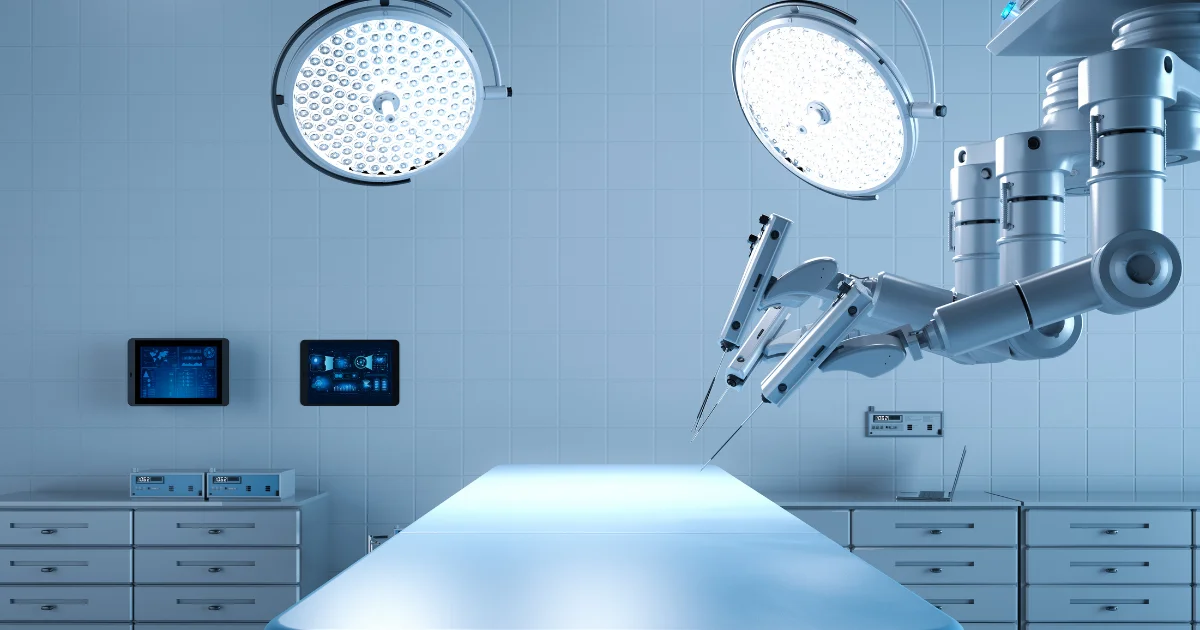
- Enhanced Surgical Precision: The robotic instruments provide enhanced articulation and seamlessly filter out natural human hand tremors, allowing the surgeon to perform highly delicate robotic hernia repair procedures with unmatched accuracy.
- Superior 3D Visualization: The high-definition camera grants the surgeon a magnified, deeply immersive view of the patient’s internal anatomy. This clarity makes it significantly easier to identify and protect vital surrounding nerves and blood vessels.
- Reduced Postoperative Pain: Because the robotic arms require only tiny incisions and cause minimal disruption to the surrounding healthy abdominal wall muscles, patients typically experience far less pain and require less medication during their recovery.
- Minimal Scarring: The keyhole incisions utilized by the robotic system are usually less than a centimeter wide, leaving the patient with very small, cosmetically appealing marks that fade quickly compared to the large incisions of open surgery.
Preparing for the Operation
Thorough preparation is a critical step before undergoing robotic hernia surgery. Patients will have an in-depth consultation with their medical team to evaluate the size and location of the hernia, review their complete medical history, and determine the most appropriate anesthesia protocol. Because the robotic system provides unparalleled 3D visualization, surgeons can plan the operation meticulously, ensuring that every movement is calculated to reduce trauma to the body. This careful, technology-assisted planning directly contributes to a more predictable and efficient healing phase for the patient.
The Surgical Procedure Explained
During the operation, the surgical team uses advanced robotic arms that mimic human hand movements but with far greater rotation, articulation, and steadiness. The surgeon remains entirely in control at a nearby console, translating their hand movements into precise mechanical actions inside the body. This high-tech setup is particularly beneficial when navigating complex anatomical structures. The extreme precision of the robotic instruments means that surrounding healthy tissues are preserved, which fundamentally alters the postoperative experience for patients, leading to a much more comfortable rehabilitation period compared to traditional open methods.
Recovery Time
The overall robotic hernia surgery recovery time is remarkably shorter compared to traditional open methods. Thanks to the highly precise, minimally invasive nature of the robotic system, many patients can be discharged on the same day or within 24 hours, depending on their clinical condition. Because the robotic arms cause less trauma to the surrounding muscles and tissues, patients experience significantly less postoperative pain and can often resume light, everyday activities within a week.
Expected Side Effects
It is important for patients to be aware of potential side effects after robotic hernia surgery. Due to the gentle nature of the robotic instruments, these symptoms are typically temporary and easy to manage:
- Mild Bruising and Swelling: Localized swelling and discoloration at the tiny keyhole incision sites are an expected part of the body’s natural healing process.
- Postoperative Discomfort: Patients may experience mild soreness in the treated area, which is generally well-controlled with standard prescribed medications.
- Anesthesia Grogginess: A brief period of fatigue, drowsiness, or mild nausea is common immediately following general anesthesia but resolves quickly.
Managing Surgical Risks
While the advanced 3D visualization and unparalleled steadiness of the robotic instruments make severe complications rare, standard surgical risks still exist. The enhanced surgical control drastically lowers the overall likelihood of complications, ensuring a safer healing environment, but patients should be aware of the following:
- Infections: Although minimized by the minimally invasive approach and small incisions, there is always a slight risk of infection at the surgical site.
- Bleeding: The extreme precision of the robot significantly reduces blood loss and accidental tissue trauma, but minor bleeding or hematomas (blood collections) can still occur.
- Fluid Accumulation (Seromas): Pockets of clear fluid may occasionally collect under the skin near the repair site, which the medical team can easily monitor and safely manage.
Excellence at the Robotic Surgery Center

Patients deserve access to the highest standard of medical innovation when addressing their health concerns. The Robotic Surgery Center provides an environment where cutting-edge technology seamlessly meets expert medical care.
- Robotic-assisted surgery minimizes pain and promotes faster recovery, particularly for complex and hard-to-reach areas.
- A team of specialized surgeons utilizes this technology to treat conditions across multiple systems, including the lungs, prostate, liver, intestines, and gynecological disorders.
- Services are offered in comprehensive packages with transparent pricing, covering specialized surgeries that demand high precision.
Bangkok Hospital remains dedicated to delivering premier healthcare solutions. By integrating state-of-the-art robotic systems, the service ensures that patients receive the effective, safe, and compassionate care possible.
Frequently Asked Questions
Is robotic surgery safe for treating hernias?
Yes, it is a highly safe, minimally invasive approach that offers excellent precision and often results in fewer complications than traditional open surgery.
Will there be large scars after the operation?
No, the procedure relies on a few very small incisions, which typically result in minimal, barely noticeable scarring once fully healed.
When can normal activities be resumed?
Most patients can return to light, everyday activities within a few days to a week, depending on the specific nature and complexity of their repair.