

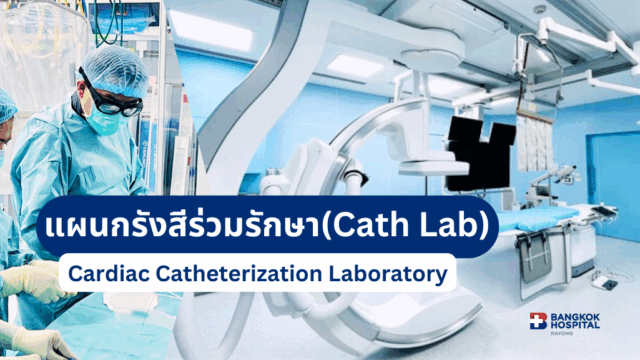
Preparation and Pre-Procedure Care Before Cardiac Catheterization
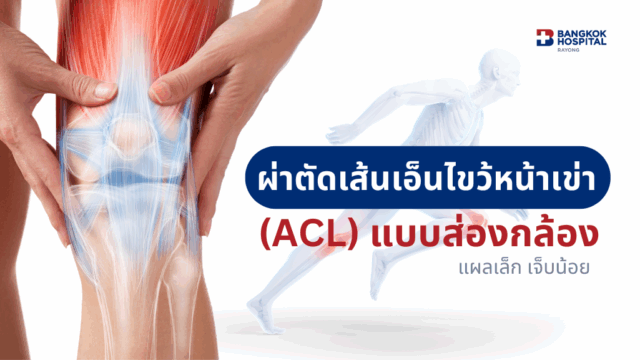
Arthroscopic Anterior Cruciate Ligament (ACL) Surgery
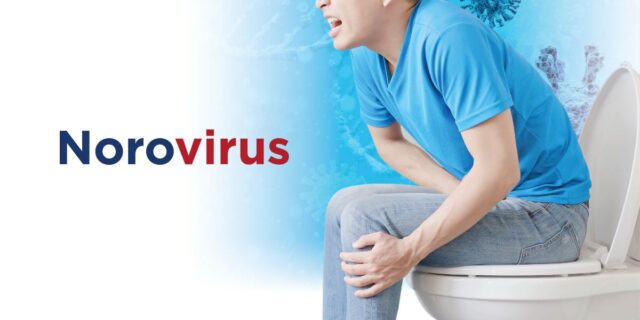
"Freshly Cooked, Hot and Clean Food", an Ultimate Guideline for Norovirus Prevention
Norovirus is an important cause of gastrointestinal infection and inflammation, leading to severe diarrhea, vomiting, and abdominal pain. It is very common during the winter season

Robotic knee replacement surgery
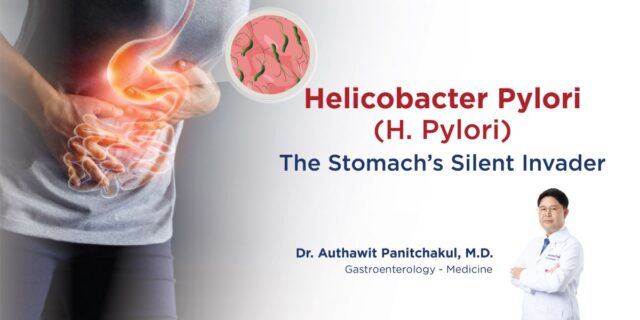
Understanding Helicobacter Pylori: The Stomach’s Silent Invader
Helicobacter pylori (H. pylori) is a unique bacterium capable of colonizing the acidic environment of the human stomach.

The Dangers of RSV in the Elderly
RSV is a leading cause of respiratory infections, affecting people of all ages, from children to adults. However, in older adults, RSV poses a heightened risk due to weakened immune systems and the...
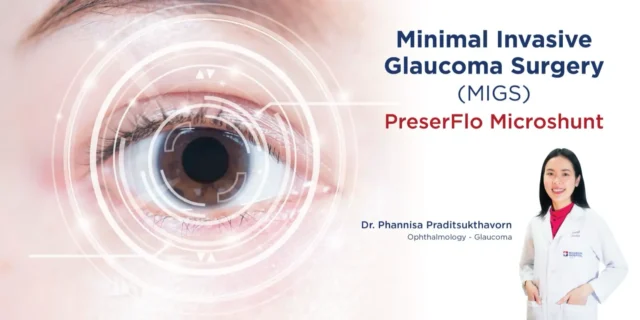
PreserFlo Microshunt in Minimally Invasive Glaucoma Surgery
Glaucoma is the leading cause of permanent blindness for people around the world. It is a disease that damage your optic nerve . The optic nerve sends visual information from your eye to the brain an
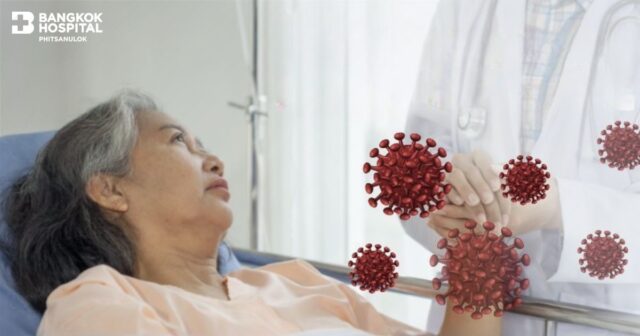
The Dangers of Bloodstream Infections – Phitsanulok
Septicemia (Bloodstream Infection) is a condition in which the body’s immune system responds excessively to an infection, ultimately causing dysfunction in vital organs.

Mycoplasma Infection: Looks Like a Cold, But More Dangerous
Mycoplasma Pneumoniae is a small bacterium with no cell wall. It is a facultative anaerobe capable of free-living and can cause disease in humans. Despite its cold-like presentation,
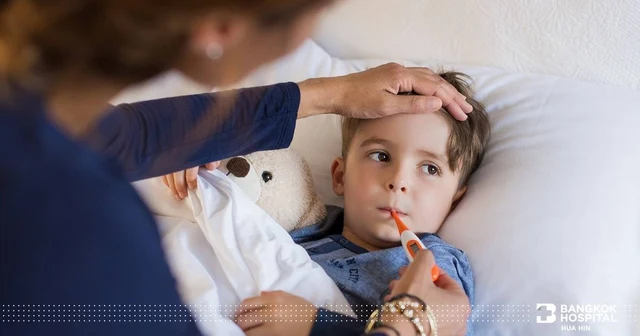
Kawasaki Disease: A Silent Threat to Children's Hearts
Kawasaki Disease can seriously affect the cardiovascular system, particularly in children under five. Without timely treatment, it may lead to life-threatening heart complications...
Translated by AI
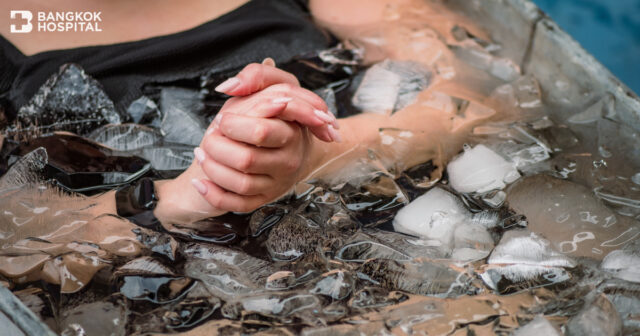
ICE BATHING Muscle Therapy with Cold
Athletes face fatigue from training and competitions. Utilizing the science of cold, known as ICE BATHING, not only helps in recovery and reduces muscle inflammation but also stimulates the immune system, recharging fatigue back to full energy.
Translated by AI
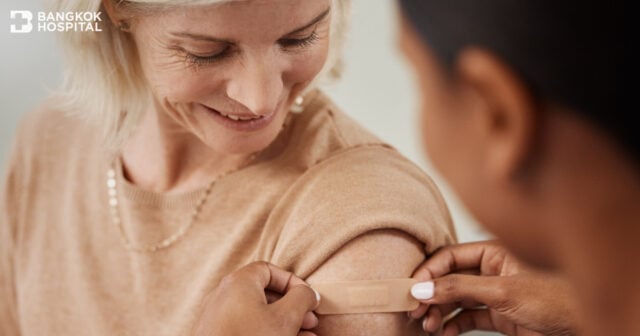
The RSV vaccine in the elderly: Preventing is better than curing.
RSV virus is mostly found in children, but the elderly can also get infected with RSV. The concern is that RSV has no cure; treatment is only symptomatic. If the elderly contract RSV, there is a risk of severe complications and a higher mortality rate compared to other age groups. Therefore, vaccination to prevent RSV in the elderly is an important matter that should not be overlooked.