


What is Mycoplasma Pneumoniae?
Mycoplasma Pneumoniae is a small bacterium with no cell wall. It is a facultative anaerobe capable of free-living and can cause disease in humans. Despite its cold-like presentation, it can lead to significantly more serious complications than a typical upper respiratory infection.
How does Mycoplasma spread?
It spreads through large respiratory droplets — primarily via coughing and sneezing. The incubation period is relatively long at around 2–3 weeks. It causes both upper and lower respiratory tract infections in children and adults, with school-age children being particularly susceptible.
Symptoms range from mild cold-like illness to bronchitis and pneumonia. In some cases, extra-pulmonary (outside the lungs) complications can occur, including:
- Myocarditis (heart muscle inflammation)
- Encephalitis (brain inflammation)
- Arthritis (joint inflammation)
- Skin reactions
- Mucosal inflammation

How is Mycoplasma diagnosed?
Laboratory testing includes blood tests to measure M. Pneumoniae-specific IgM and IgG antibodies:
- IgM typically becomes detectable around 7 days after symptoms appear and can remain present for several months.
- IgG is assessed via two blood draws taken 7–14 days apart. A fourfold rise in IgG level confirms active infection.
- PCR-DNA testing offers high sensitivity (65–100%) and specificity (90–100%). It can detect the pathogen from the first week of symptoms and may remain positive for several weeks after recovery — even after antibiotic treatment — so results must be interpreted alongside clinical presentation.
How is Mycoplasma treated?
- First-line treatment: Macrolide antibiotics — Azithromycin, Erythromycin, or Clarithromycin — for lower respiratory tract infections.
- Macrolide-resistant cases: Fluoroquinolones or Doxycycline may be considered.
- Mild cases can resolve on their own without antibiotic treatment.
It is important to note that even after full recovery, the bacteria can remain in the body for weeks to months without causing symptoms. Immunity acquired after infection is also short-lived, meaning reinfection is possible.
How to prevent spreading Mycoplasma
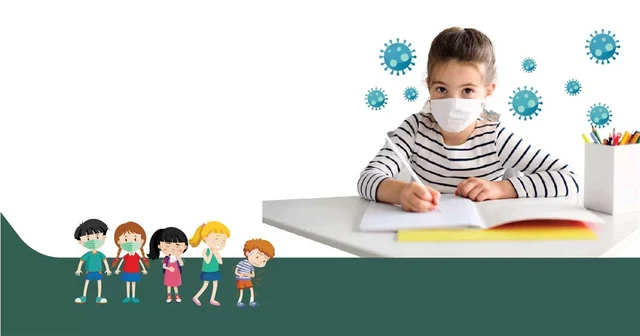
Infected individuals should wear a mask and wash hands frequently throughout the symptomatic period to prevent droplet transmission to others.
For further information, contact the Child Health Center at Bangkok Hospital Pattaya: 0 3825 9986