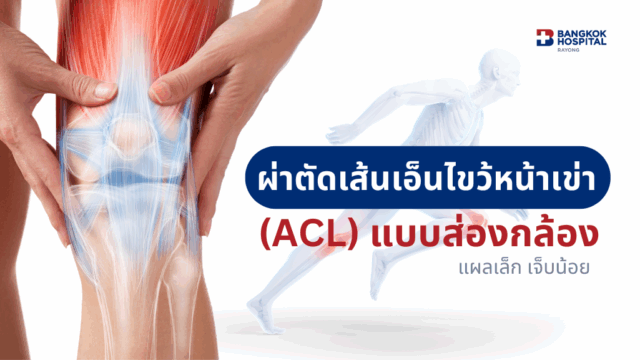
Robotic-Assisted Knee Replacement Surgery
Robotic-assisted knee replacement surgery is an advanced surgical technique that utilizes robotic technology to enhance precision during the procedure. This approach helps minimize damage to surrounding tissues, reduces surgical risks, and supports faster recovery for patients, leading to improved postoperative outcomes and quality of life.

Robotic Technology Enhances Surgical Precision
Robotic-assisted surgery enables meticulous surgical planning using CT scan data to create a digital 3D model of the knee prior to the procedure. This allows surgeons to perform bone cuts with precision of up to 0.2 millimeters and to reduce deviation in prosthesis positioning to within 1 millimeter or 1 degree, significantly improving surgical accuracy.
Who Is This Procedure Suitable For?
Robotic-assisted knee replacement is suitable for patients with knee osteoarthritis that significantly affects quality of life, such as elderly patients with mobility limitations or individuals experiencing chronic knee pain due to arthritis. It is also ideal for patients seeking highly precise outcomes and aiming to reduce the likelihood of revision surgery in the future.
Key Features of Robotic-Assisted Surgery
-
High precision: Minimizes surgical errors
-
Smaller incisions: Promotes faster recovery
-
Reduced risk of complications: Due to enhanced control and accuracy
Why Choose Robotic-Assisted Knee Replacement?
The use of robotic assistance improves overall surgical quality, particularly in terms of precision and safety, leading to faster recovery and reduced postoperative pain.
Preoperative Preparation
-
Consultation with a physician: To understand procedures and potential risks
-
Health assessment: General health evaluation and allergy history
-
Physical preparation: Weight management or lifestyle adjustments may be recommended prior to surgery
Postoperative Care
-
Recovery period: Follow medical advice for adequate rest
-
Physical therapy: To restore knee mobility and strength
-
Follow-up visits: To monitor progress and surgical outcomes
Advantages of Robotic-Assisted Knee Replacement
Reduced Pain
Robotic assistance minimizes tissue and ligament damage around the knee, resulting in less postoperative pain. Many patients report effective pain control with minimal medication, and some are able to walk within 24 hours after surgery.
Faster Recovery
Smaller surgical wounds and reduced tissue trauma shorten recovery time, enabling patients to return to daily activities sooner with improved quality of life.
Improved Mobility
Patients experience greater walking comfort and confidence in daily activities. Rapid restoration of knee function allows earlier resumption of preferred activities.
Lower Risk of Complications
Enhanced visualization and precise surgical planning reduce risks such as excessive bleeding or damage to surrounding tissues, and decrease the likelihood of future revision surgery.
Improved Quality of Life
Patients often regain a better quality of life, resume normal activities, and experience improved mental well-being due to reduced pain and improved mobility.
The Orthopedic Center at Bangkok Hospital Rayong is equipped with advanced robotic technology and a highly experienced multidisciplinary team. Our comprehensive care programs ensure effective treatment with fewer complications, smaller incisions, less pain, faster recovery, and confident return to daily life.
Robotic-Assisted Knee Replacement Specialist
Dr. Worathep Wangtrakoolchai
Orthopedic Surgeon, Hip and Knee Center
Bangkok Hospital Rayong