

Septicemia (Bloodstream Infection) is a condition in which the body’s immune system responds excessively to an infection, ultimately causing dysfunction in vital organs. This overwhelming response can escalate to shock, with a rapid drop in blood pressure, and may lead to multi-organ failure. Such infections typically originate from a localized site—whether bacterial, fungal, or other pathogens—which then trigger a systemic inflammatory reaction.
How Bloodstream Infections Occur
Bloodstream infections are more likely to occur in individuals with weakened health or compromised immunity. When the body is less capable of fending off pathogens, these microorganisms can easily enter the circulatory system, disseminate throughout various organ systems, and potentially cause complications. For example, the reduction in blood flow to critical organs and the formation of microthrombi (tiny blood clots) in capillaries can precipitate organ failure, such as respiratory collapse or acute renal failure.
Risk Factors for Bloodstream Infections
- HIV Infection: Individuals with HIV are at increased risk due to compromised immunity.
- Young Children and the Elderly: These groups have less robust immune systems compared to adolescents and adults, making them more vulnerable.
- Chronic Diseases: Conditions such as liver cirrhosis, diabetes mellitus, chronic kidney failure, and AIDS can diminish the body’s natural defense mechanisms.
- Invasive Medical Procedures: The insertion of medical devices—such as urinary catheters, rectal probes, or endoscopes—carries the risk of introducing pathogens if proper sterilization is not maintained.
- General Illness or Immune Suppression: Situations where the body is already battling other infections, like influenza or dengue fever, can further lower resistance to bloodstream infections.
Clinical Signs and Symptoms
- Fever: Temperature rising above 38.3°C (101°F).
- Tachycardia: A heart rate exceeding 90 beats per minute in adults.
- Tachypnea: Rapid breathing, defined as more than 24 breaths per minute in adults.
- Leukocytosis: A marked increase in white blood cell count.
- Hypotension: Low blood pressure that can progress to shock.
- Localized Infection Signs: For instance, burning during urination in cases of a urinary tract infection, or cough and chest pain if the lungs are involved.
- Multi-Organ Failure: Failure of organs such as the kidneys, lungs, or heart, which can ultimately be fatal.
Prevention Strategies
- Maintain a Healthy Body: Strengthen your body to reduce the frequency of illness.
- Balanced Diet and Regular Exercise: Consume a well-rounded diet incorporating all five food groups and engage in physical activity 2–3 times per week.
- Adequate Rest: Aim for 6–8 hours of sleep each night.
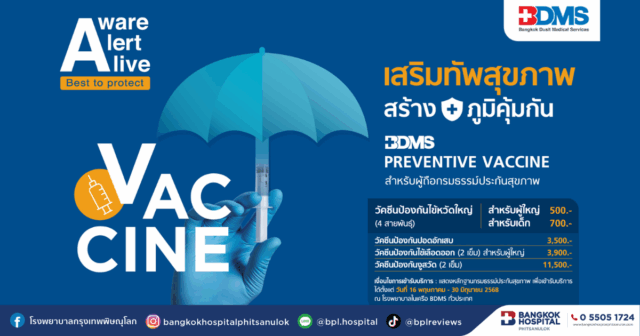
- Vaccinations: Stay current with immunizations, such as those for influenza and hepatitis, to help prevent infections.
- Routine Health Check-Ups: Annual examinations can help detect potential issues early.
- Strict Management of Chronic Conditions: Follow up regularly with your healthcare provider and adhere to prescribed medications if you have an underlying condition.
It is clear that anyone can develop a bloodstream infection if their body becomes weakened or their immune system declines—allowing pathogens to invade with relative ease. If you suspect that you or a loved one is exhibiting signs that may predispose to septicemia, seek medical care immediately for proper and timely treatment, as this condition can be life-threatening. Moreover, maintaining overall health is essential not only for preventing bloodstream infections but also for warding off other serious illnesses.