


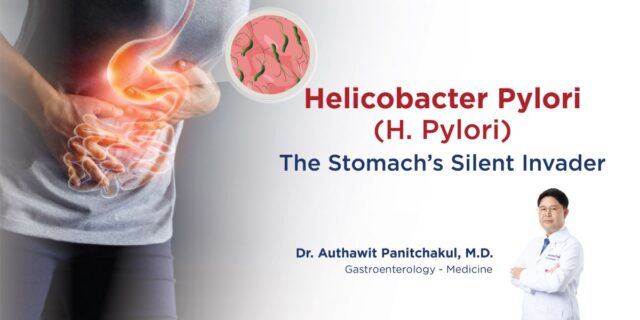
Helicobacter pylori (H. pylori) is a unique bacterium capable of colonizing the acidic environment of the human stomach. Its ability to survive and thrive in this harsh environment has made it a topic of interest among scientists. By colonizing the stomach’s mucosal layer, it can lead to various gastrointestinal disorders.
How does H. pylori infect the human stomach ?
Despite the stomach’s acidic conditions, H. pylori has evolved specific adaptations to survive:
1. Acid Resistance Mechanisms
H. pylori produce “urease”, an enzyme that converts urea into ammonia and carbon dioxide. Ammonia neutralizes stomach acid, creating a protective microenvironment for the bacteria.
2. Helical Shape and Mobility
Its spiral shape and special structure allow it to penetrate the stomach’s mucus layer, reaching and attaching to epithelial cells.
3. Adhesion and Colonization
H. pylori use “adhesins”—specialized proteins on its surface—to adhere tightly to stomach cells, preventing it from being washed away by digestion.
These adaptations enable H. pylori to colonize and persist in the stomach, often for a lifetime if untreated.
How is H. pylori transmitted ? What are the risk factors ?
1. Modes of Transmission
H. pylori spreads primarily through direct contact, such as oral-oral or fecal-oral routes. It is often transmitted within families, especially in areas with poor sanitation.
2. Risk Factors
- Diet: Eating raw or undercooked foods or fermented products.
- Water: Consuming contaminated water.
- Hygiene: Sharing utensils or eating food prepared in unhygienic conditions.
- Family Exposure: Living with infected individuals increases risk.
- Geographic Factors: Higher prevalence is seen in Southeast Asia, Eastern Europe, and Latin America due to environmental and cultural factors.
What are the health effects of H. pylori colonization?
While many people harbor H. pylori without symptoms, it can cause serious health issues:
1. Gastritis
- Chronic inflammation of the stomach lining caused by the immune response to the infection.
2. Stomach Ulcers
- H. pylori disrupt the mucus layer, increasing acid exposure and leading to ulcers in the stomach or duodenum.
3. Stomach Cancer
- Chronic H. pylori infection is a significant risk factor for gastric cancer and MALT lymphoma. The World Health Organization classifies it as a carcinogen.
4. Other Manifestations
- H. pylori may contribute to conditions like iron-deficiency anemia and immune thrombocytopenia.
When to see a doctor for H. pylori testing ?
Consult a doctor if you experience persistent symptoms such as
- Upper abdominal pain (burning or aching)
- Indigestion
- Nausea
- Loss of appetite
- Bloating
- Unexplained weight loss
Your doctor may also recommend testing if you have
- Stomach ulcers or a history of ulcers without confirmed H. pylori testing
- Stomach cancer
- Long-term NSAID or aspirin use
- Unexplained iron deficiency anemia
- Immune thrombocytopenia
- A family history of stomach cancer
How is H. pylori diagnosed ?
Testing depends on symptoms, medication history, and available resources.
1. Endoscopic Tests
- Biopsy Urease Test
- Conducted during an endoscopy, it is a rapid and cost-effective diagnostic method.
- Histological Examination
- The gold standard for diagnosing H. pylori and assessing stomach tissue for damage.
2. Non-invasive Tests
- Urea Breath Test
- A highly accurate and painless diagnostic method. The patient drinks a solution containing urea, and their breath is analyzed for carbon dioxide produced by H. pylori’s urease activity. This test is safe for children and pregnant women.
- Stool Antigen Test
- A cost-effective and non-invasive option that detects H. pylori antigens in stool.
- Serology
- Detects antibodies against H. pylori in the blood. While it can confirm exposure, it cannot distinguish between active and past infections. Positive results require confirmation with other tests for active infection.
How is H. pylori infection treated ?
1. Treatment Necessity
- Prompt treatment is essential to prevent complications of H. pylori infection such as ulcers and stomach cancer.
2. Treatment Strategies
- Treatment typically involves a proton pump inhibitor (PPI) to reduce stomach acid production, combined with two or more antibiotics to directly target H. pylori. This dual approach enhances bacterial eradication and alleviates symptoms.
- Completing the prescribed treatment regimen is critical to ensure the infection is fully eradicated and to prevent antibiotic resistance.
- Family members or individuals frequently sharing meals with an infected person should consider screening and treatment if necessary to reduce the risk of transmission.
3. Monitoring Treatment Success
- After treatment, follow-up testing (e.g., a urea breath test) is essential to confirm the infection has been successfully eradicated.
“Early diagnosis and treatment of H. pylori infection are critical for preventing complications and maintaining gastrointestinal health. If you experience persistent symptoms, consult a healthcare provider for evaluation and appropriate care.”
Reference
- Crowe SE. Helicobacter pylori Infection. N Engl J Med. 2019 Mar 21
- Malfertheiner P, Camargo MC, El-Omar E, Liou JM, Peek R, Schulz C, Smith SI, Suerbaum S. Helicobacter pylori infection. Nat Rev Dis Primers. 2023 Apr 20