


What Is Uterine Rupture?
Uterine rupture is an obstetric emergency where the uterine wall tears, causing the baby, blood, and amniotic fluid to leak outside the uterus. While rare, it's extremely dangerous for both mother and baby and requires urgent treatment.

What Do You Need To Bathe A Baby?
baby bathtub, clean towels, gentle baby soap and shampoo, clothes, diapers, cloth diapers, cotton balls soaked in cooled boiled water (for cleaning eyes), 70% alcohol and cotton balls or cotton swabs (for cleaning umbilical cord), soft-bristle brush/comb
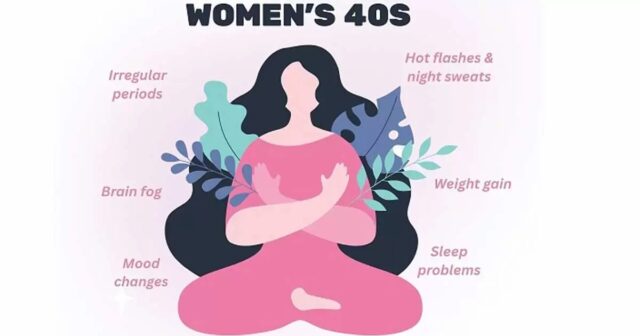
Embracing Your 40s with Confidence
These are completely normal signs of perimenopause – the transition period before menopause. While it can feel overwhelming, there are ways to manage these symptoms through lifestyle changes, proper nutrition, exercise, and working with your healthcare provider.
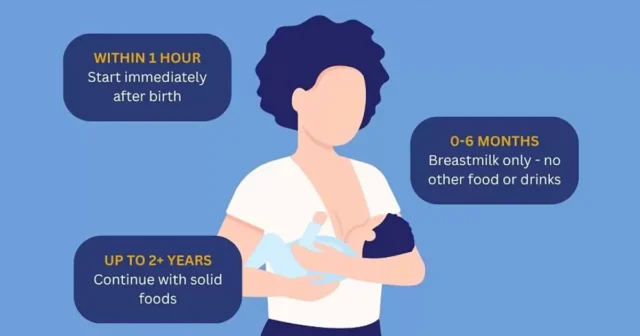
How Long Should You Breastfeed?
Breastmilk isn’t just food — it’s liquid gold for your baby! Packed with antibodies, safe, clean, and perfectly made to protect and nourish your little one.
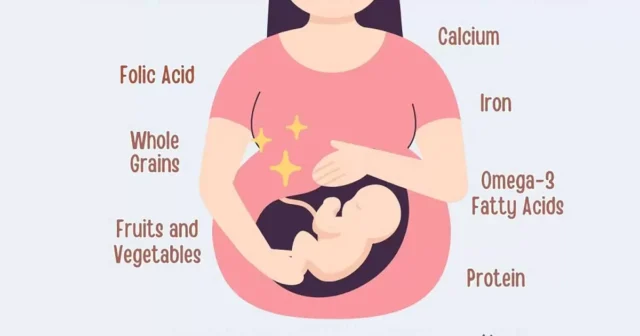
Essential Nutrition for Expecting Moms
Growing a little miracle? Your body needs extra love and nutrients to support both you and your baby. Here’s your essential pregnancy nutrition checklist:

Unlocking the Mystery of Lower Abdominal and Pelvic Pain: A Doctor’s Perspective
Lower abdominal pain or dull pelvic discomfort is a common experience for many women—often occurring at least once in a lifetime, especially during reproductive years. While the pain may sometimes seem mild, from a medical standpoint

Early Pregnancy Symptoms: Understanding the First Signs and Hormonal Shifts
Pregnancy is a life-changing journey, and for many women, it begins quietly—often before they even realize it. In the earliest weeks, when there may be no obvious signs, your body is already working hard behind the scenes to nurture new life.

Brown Vaginal Discharge: What It Could Mean at Every Age
Noticing brown vaginal discharge can feel alarming—but it’s more common than you might think. Sometimes, it’s perfectly normal. Other times, it may signal an underlying issue that needs attention. What it means often depends on your age and stage in life.

Cervical Cancer Prevention: Easy Self-Sampling for HPV Screening
Cervical cancer is the second most common cancer among women in Thailand. While it carries a high mortality rate, it is treatable when caught early — and now, it can be screened at the genetic level through HPV DNA testing.

Lower Abdominal and Pelvic Pain: What Your Body May Be Telling You
Persistent or recurring lower abdominal pain should not be ignored. From a medical perspective, it can be a signal of underlying gynecological conditions that require attention and proper treatment.

Chlamydia vs. Gonorrhea: Symptoms in Men and Women
Gonorrhea is a urethral infection caused by the bacterium Neisseria gonorrhoeae — likely the most widely recognized sexually transmitted infection (STI). Non-gonococcal urethritis (NGU), commonly known as chlamydia

PCOS: Understanding Polycystic Ovary Syndrome
Polycystic Ovary Syndrome (PCOS) is a hormonal condition that often goes undetected for years.