
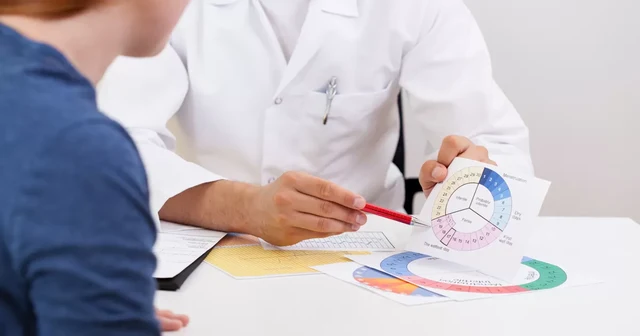
Polycystic Ovary Syndrome (PCOS) is a hormonal condition that often goes undetected for years. Left unmanaged, it can lead to serious complications including infertility. Every woman of reproductive age should know what it is and what to watch for.
What is the difference between an ovarian cyst and PCOS?
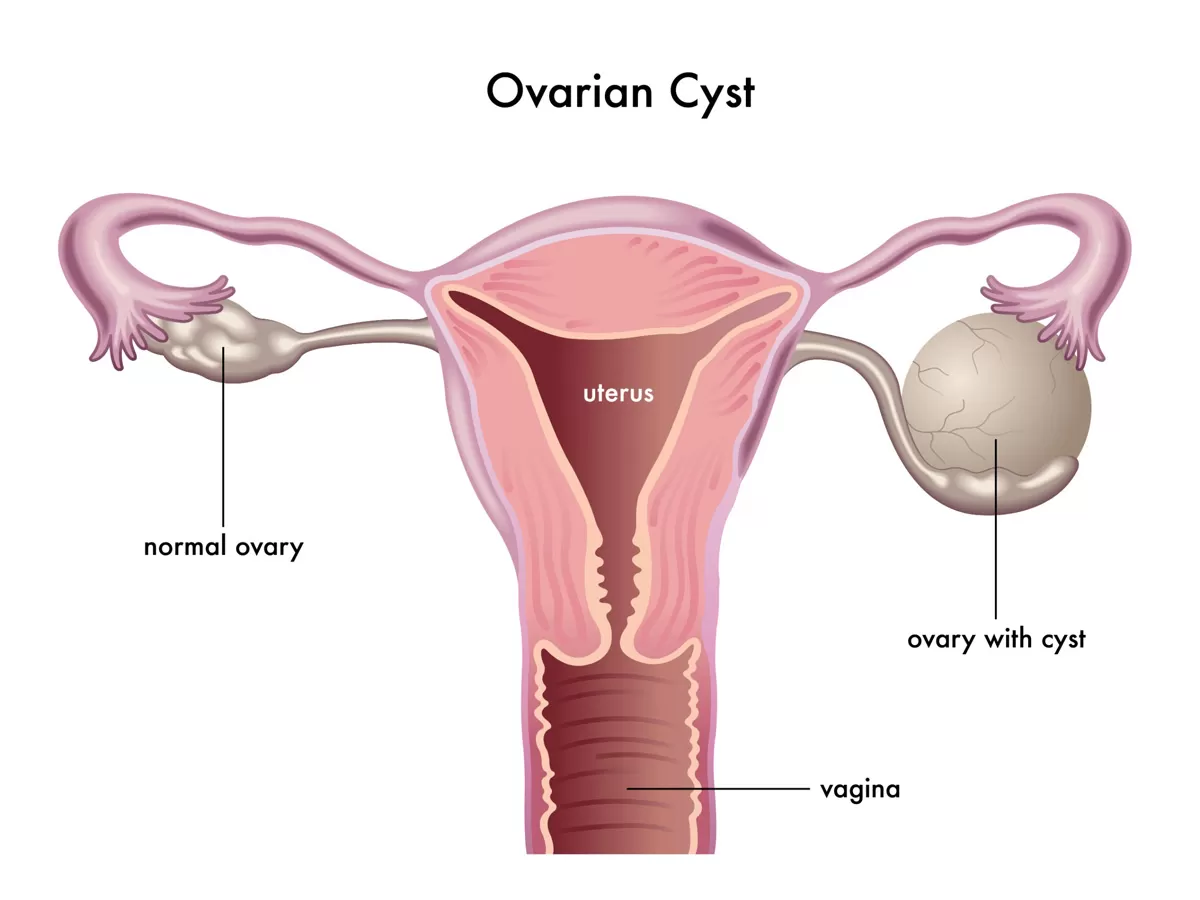
A regular ovarian cyst is a fluid-filled sac that commonly develops during the menstrual cycle due to hormonal changes. Most are harmless and resolve on their own, though some require surgical treatment.
PCOS is different. It is an endocrine disorder – a hormonal imbalance – in which multiple small cysts form in the ovaries. It affects menstrual regularity and is one of the leading causes of infertility.
What are the signs and symptoms of PCOS?
- Irregular periods, missed periods, or unusually heavy menstrual bleeding
- Excess body or facial hair — on the chest, back, upper lip, arms, and thighs — due to elevated male hormones
- Acne on the face, chest, or back
- Multiple cysts on the ovaries confirmed by ultrasound
What causes PCOS?
The exact cause is not fully understood, but three key factors are involved:
- Insulin resistance – when the body becomes resistant to insulin, the pancreas overproduces it, which stimulates the ovaries to produce excess androgen (male hormone), suppressing ovulation
- Excess androgen – elevated androgen levels directly disrupt ovulation, causing irregular cycles and the formation of small ovarian cysts, as well as male-pattern physical changes such as excess hair and acne
- Genetics – while not definitively proven, daughters of women with PCOS appear to have a higher likelihood of developing the condition

What complications can PCOS cause?
- Infertility
- Gestational diabetes or pregnancy-induced high blood pressure
- Miscarriage or premature birth
- Non-alcoholic steatohepatitis (NASH) — fatty liver inflammation
- Metabolic syndrome
- Prediabetes and Type 2 diabetes
- Sleep apnea
- Depression, anxiety, and eating disorders
- Endometrial cancer
How is PCOS treated?
Treatment is symptom-based and varies depending on whether the patient is planning a pregnancy.
For those planning a pregnancy:
- Dietary changes and increased exercise to reduce weight and improve insulin sensitivity, which can restore ovulation
- Ovulation-stimulating medication (under medical supervision) — though this carries risks such as multiple pregnancies or ovarian hyperstimulation
For those not planning a pregnancy:
- Oral contraceptives to regulate the menstrual cycle and reduce androgen levels
- Diabetes medication to address insulin resistance where indicated
- Dietary and lifestyle adjustments as a foundation for hormonal balance
- Targeted treatment for specific symptoms such as acne or excess hair growth

Can PCOS be prevented?
There is no guaranteed way to prevent PCOS, but maintaining a healthy lifestyle significantly reduces risk. Eating a nutritious diet, exercising regularly, and keeping weight within a healthy range all help lower the risk of obesity and diabetes — two conditions closely linked to PCOS.
If you have been diagnosed with PCOS, there is no need to panic. Work closely with your doctor to find the most appropriate management plan for your individual situation.
For questions or consultations, contact the Women’s Health Center at Bangkok Hospital Pattaya.


Reference,
Cleveland Clinic. (2023). Polycystic Ovary Syndrome (PCOS). Cleveland Clinic. https://my.clevelandclinic.org/health/diseases/8316-polycystic-ovary-syndrome-pcos
Johns Hopkins Medicine. (n.d.). Polycystic Ovary Syndrome (PCOS). Johns Hopkins Medicine. https://www.hopkinsmedicine.org/health/conditions-and-diseases/polycystic-ovary-syndrome-pcos
London Women’s Centre. (2019). The Difference Between Ovarian Cysts and Polycystic Ovary Syndrome (PCOS). London Women’s Centre. https://www.londonwomenscentre.co.uk/info/news/difference-ovarian-cysts-pcos
Mayo Clinic Staff. (2022). Polycystic ovary syndrome (PCOS) – Symptoms and causes. Mayo Clinic. https://www.mayoclinic.org/diseases-conditions/pcos/symptoms-causes/syc-20353439