


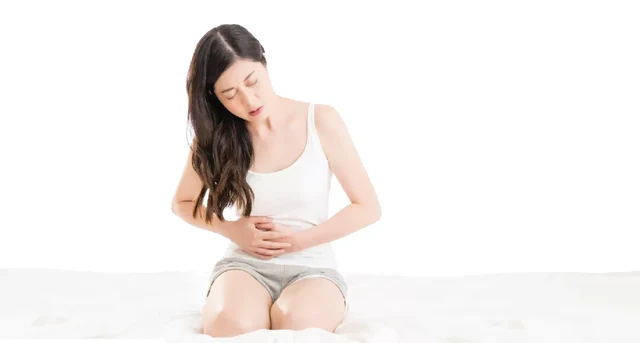
Persistent or recurring lower abdominal pain should not be ignored. From a medical perspective, it can be a signal of underlying gynecological conditions that require attention and proper treatment.
What conditions can cause lower abdominal and pelvic pain?
Uterine Fibroids (Myoma)
Uterine fibroids are non-cancerous growths that develop in or around the uterus. They can cause chronic pelvic pain, heavy menstrual bleeding, and a feeling of pressure or heaviness in the lower abdomen.
Endometriosis
Endometriosis occurs when tissue similar to the uterine lining grows outside the uterus – on the ovaries, fallopian tubes, or other pelvic organs. It commonly causes significant pelvic pain, painful periods, and in some cases, difficulty conceiving.
When should you see a doctor?
If lower abdominal pain is persistent, recurring, or significantly affects your daily life, consult a specialist. Early diagnosis allows for more treatment options and better outcomes.
How are uterine fibroids and endometriosis treated?
Both conditions can be managed through two main approaches:
1. Medication
- Pain relievers to manage discomfort
- Oral or injectable contraceptives to regulate hormones and reduce symptoms
- Hormonal therapies tailored to the individual’s condition and reproductive goals
2. Surgery
Surgery is considered when symptoms are severe, or when medication has not produced adequate improvement. A specialist will evaluate whether surgery is appropriate based on the patient’s condition.
There are two surgical options:
- Laparoscopic surgery (keyhole surgery) – minimally invasive, with small incisions, less scarring, and faster recovery
- Open abdominal surgery – used in more complex cases where laparoscopy is not sufficient
Pelvic pain that persists or worsens over time is worth investigating. The earlier these conditions are identified, the more effectively they can be managed -preserving both quality of life and, where relevant, fertility.